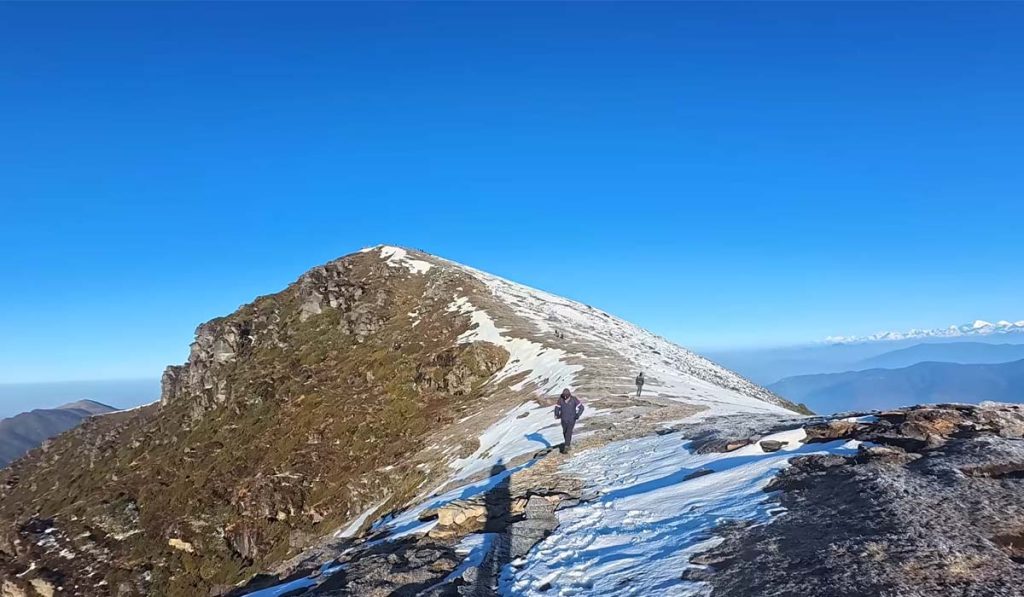
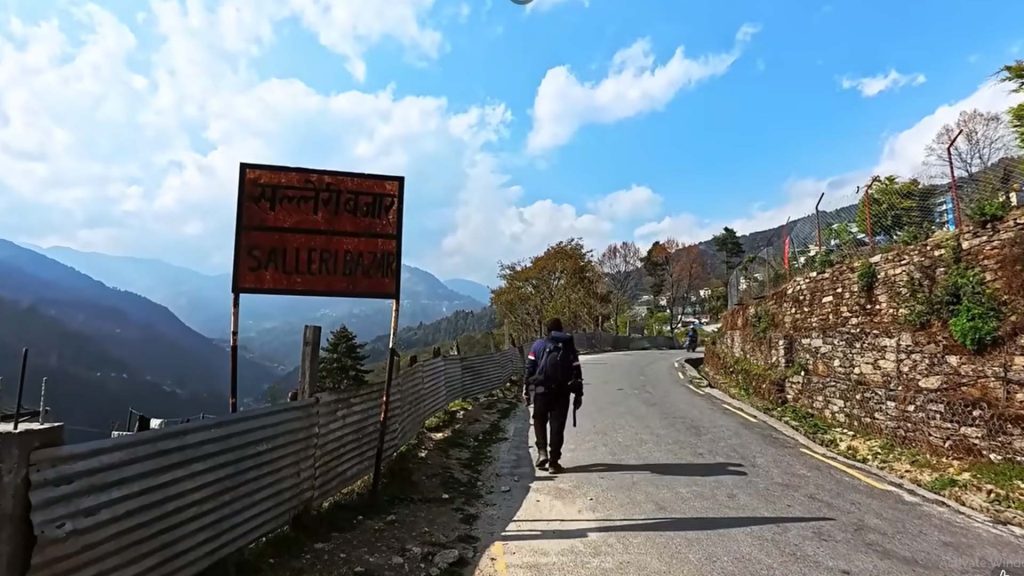
If your main reason for doing Pikey Peak is the sunrise view of Everest, timing matters more here than on many other short treks in Nepal. The Best Time for the Pikey Peak Trek is usually spring or autumn, when the skies are more stable, mountain visibility is better, and the trail conditions are far more reliable. But that does not mean every traveler should automatically choose the same month. Your best season depends on whether you care most about clear panoramas, quiet trails, rhododendron forests, dry paths, or avoiding cold nights.
Pikey Peak sits in the lower Everest region and is one of the most rewarding short treks for trekkers who want wide Himalayan views without committing to a long, high-altitude expedition. On a clear day, the viewpoint can reveal Everest, Kanchenjunga, Makalu, Lhotse, and other major peaks lined across the horizon. Because the trek is relatively accessible and does not demand weeks on the trail, it attracts trekkers who want a practical Himalayan experience with a strong scenic payoff. That payoff, however, depends heavily on weather and seasonal visibility.
Best Time for the Pikey Peak Trek by Season
In practical terms, the two best trekking windows are March to May and late September to November. These are the months when most trekkers get the best balance of weather, views, lodge access, and trail comfort.
Spring, especially from late March through April and into early May, is excellent for trekkers who want a lively trail with blooming forests and generally stable conditions. The hills around Pikey Peak become more colorful, temperatures are moderate at lower elevations, and mornings often bring strong mountain views. This is also a very pleasant season for first-time trekkers because the cold is usually less severe than in winter.
Autumn, especially from late September through November, is often considered the most reliable season overall. After the monsoon clears the dust and haze from the atmosphere, the visibility can be exceptional. The skies are often crisp, the views feel sharper, and the trails are usually dry and comfortable. If your top priority is clean mountain panoramas and dependable walking conditions, autumn is hard to beat.
Winter and monsoon are possible, but they come with more trade-offs. Some trekkers enjoy those trade-offs. Many do not.
Spring: Best for Flowers and Comfortable Days
Spring is one of the strongest choices for Pikey Peak because it combines good visibility with milder temperatures. Days are usually comfortable for walking, and the forests are at their best when rhododendrons begin to bloom. This part of the trek has more village life and wooded sections than many high alpine routes, so spring adds real beauty rather than just slightly warmer weather.
That said, spring is not perfectly consistent. As temperatures rise later in the season, haze can occasionally build on some afternoons, especially at lower and middle elevations. This usually matters less if you start early and reach viewpoints in the morning, which is already the standard rhythm for mountain trekking. If you are going in the spring, April is often the sweet spot for scenery, color, and manageable temperatures.
For photographers, spring works very well if you are patient with mountain weather. Early mornings usually deliver the cleanest conditions. For casual trekkers, it is also one of the easiest seasons physically because the cold is less punishing than in mid-winter and the trail is not usually affected by heavy rain.
Autumn: Best for Clear Mountain Views
If someone asks for the simplest answer to the Best Time for the Pikey Peak Trek, autumn is usually it. October and November are especially attractive because the post-monsoon air tends to be clear, the landscapes are fresh, and the mountain range often appears more dramatic than in other seasons.
This season suits trekkers who want to maximize the chance of seeing the full Himalayan panorama from Pikey Peak. Sunrise viewpoints are often excellent, and the trail conditions are usually dry enough to make walking easier. It is also a good time for those who want predictable travel logistics, since roads and local movement are generally more stable than during the wet monsoon period.
The trade-off is popularity. Autumn is a major trekking season across Nepal, so while Pikey Peak is still quieter than Everest Base Camp or Annapurna Circuit, you should not expect complete solitude in peak weeks. Lodges can also be busier, especially in October. Booking support in advance is useful if your dates are fixed.
Winter: Quiet Trails but Colder Conditions
Winter trekking to Pikey Peak is possible, particularly from December to February, and some trekkers deliberately choose it for the silence and sharp skies. When the weather is stable, winter can offer beautiful views and a very peaceful trail experience. If you prefer fewer people and do not mind cold mornings, this season can be surprisingly rewarding.
The challenge is temperature. Nights and early mornings can be very cold, especially near the higher sections and around the summit viewpoint. Frost, frozen ground, and occasional snowfall can make parts of the route more demanding. This does not usually turn Pikey Peak into a technical trek, but it can make the experience less comfortable for beginners or anyone poorly equipped for cold conditions.
Winter is better for trekkers who already know how their body handles cold weather and who pack properly. Good layers, gloves, a warm sleeping setup, and flexible timing become more important. A cloudless winter morning at Pikey Peak is memorable, but you need to earn it.
Monsoon: Green Hills, Fewer Trekkers, More Risk of Poor Visibility
The monsoon season, broadly June to early September, is usually the least recommended time for Pikey Peak. The region becomes very green and beautiful, and there are certainly trekkers who enjoy the quiet trails and dramatic cloud movement. But the main reason people choose Pikey Peak is the wide mountain view, and monsoon weather often interferes with that goal.
Cloud cover, rain, slippery paths, leeches in some lower forested sections, and road disruptions can all affect the experience. Visibility is the biggest issue. You may complete the trek successfully and still miss the long-range panorama that makes the route famous.
This season can still work for flexible travelers who do not mind uncertainty and who are more interested in village landscapes, greenery, and a less crowded trail than in guaranteed mountain views. For most trekkers, though, the monsoon is not the best choice.
Best Months to Choose
If you want the clearest recommendation, aim for April, October, or November.
April is excellent for a balance of mountain views, moderate temperatures, and blooming forests. October is often the safest all-around pick for stable conditions and visibility after the rains. November is also strong, especially for crisp skies, though nights become colder as the month progresses.
March and May can also be good, but they are slightly less predictable. Late September can work well if the monsoon has fully retreated, though residual rain sometimes lingers. December is a reasonable shoulder option for trekkers who want clearer skies without the deepest winter cold, but it can already feel quite cold at night.
How Weather Affects the Sunrise at Pikey Peak
Pikey Peak is a viewpoint trek, so sunrise conditions matter more than average daytime weather. A warm afternoon means little if the pre-dawn sky is closed with cloud. The best viewing days usually come after stable, dry weather, when winds are not carrying moisture and the early morning horizon remains open.
This is one reason autumn performs so well. Post-monsoon skies often stay cleaner overnight. Spring also gives excellent sunrises, but occasional haze later in the season can soften the distant range. In winter, visibility may be excellent, but comfort becomes an issue because you will be standing still in very cold conditions before dawn.
If mountain views are your main goal, plan your itinerary with a buffer day if possible. Even in the best season, Himalayan weather does not guarantee.
Choosing the Right Season for Your Trekking Style
The right time is not only about weather charts. It is also about what kind of trekker you are.
If you are a first-time trekker in Nepal, spring and autumn are the safest choices because they offer the most forgiving combination of trail conditions, lodge operation, and visibility. Likewise, if you are a photographer, autumn usually gives the sharpest long-distance views, while spring adds more color in the foreground. If you value solitude and do not mind real cold, winter may suit you well. If your dates are fixed in summer, it is still possible to trek, but you should go with realistic expectations about cloud cover and trail conditions.
Pikey Peak is often chosen because it offers a shorter Himalayan trek with a very big reward. To get that reward, the season should match your priorities, not just the calendar. For most trekkers, spring and autumn remain the best answer. If you want flowers and comfortable temperatures, choose spring. If you want the highest chance of crisp mountain views, choose autumn. And if you want help matching your dates to trail conditions, local guidance can save you from choosing a beautiful trek in the wrong weather window.