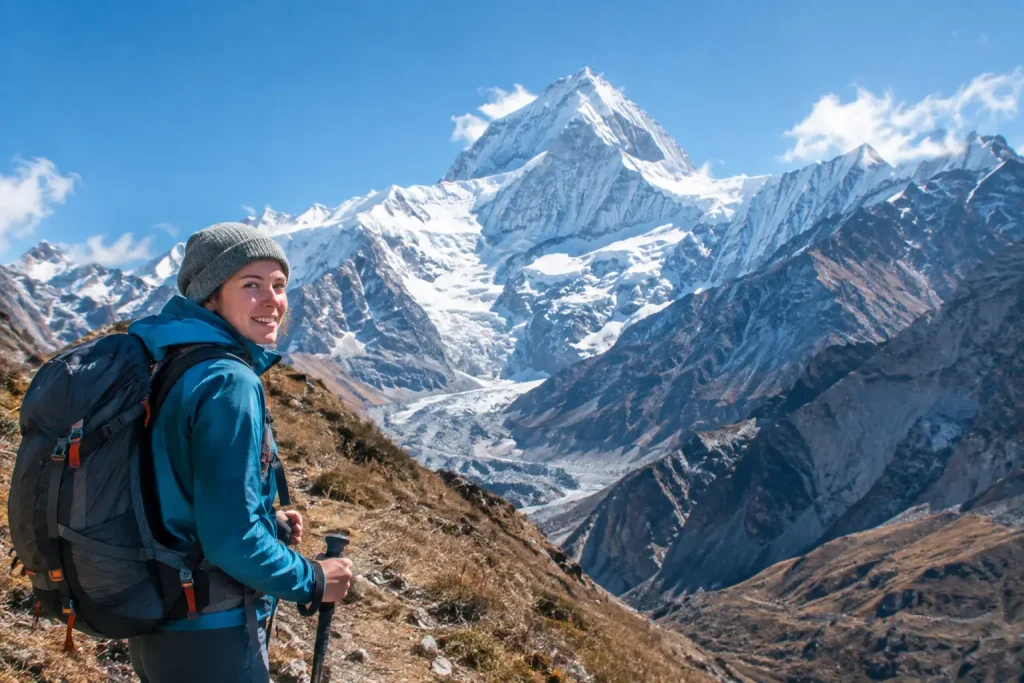
The first clear view of Everest is not from Base Camp. It usually comes days earlier, from the trail above Namche Bazaar, after a steep climb that makes the altitude impossible to ignore. That contrast defines this Everest Base Camp review: the trek delivers extraordinary mountain scenery and a major personal challenge, but it is not an easy walk to a famous signpost.
For prepared trekkers, Everest Base Camp is worth the effort. The route combines Sherpa villages, high Himalayan landscapes, and the satisfaction of reaching 17,598 feet (5,364 meters). But its popularity can create unrealistic expectations. You do not need technical climbing skills, yet you do need patience, sound pacing, cold-weather readiness, and a serious approach to altitude.
Everest Base Camp Review: What the Trek Is Really Like
The classic Everest Base Camp trek begins with travel to Lukla and follows the Dudh Koshi Valley through Phakding, Namche Bazaar, Tengboche, Dingboche, Lobuche, Gorak Shep, and Base Camp. Most itineraries take 12 to 14 days from Kathmandu to Kathmandu, including acclimatization days.
The trail itself is generally well established. There are suspension bridges, stone steps, rocky paths, gradual valley sections, and sustained uphill climbs. It is not a wilderness expedition in the sense of carrying a tent and cooking every meal. Trekkers sleep in tea houses, buy meals along the route, and encounter other hiking groups most days.
That relative comfort should not be confused with low difficulty. At high elevation, a modest climb can feel demanding. Basic rooms become colder, sleep often becomes lighter, and appetite may change. The physical challenge grows gradually, which is why many people underestimate it before arriving.
Base Camp is not the best viewpoint
Everest Base Camp is an emotionally rewarding destination, especially during spring climbing season when expedition tents fill the glacier area. Outside that period, it is a rocky, icy location beneath the Khumbu Icefall rather than a dramatic summit-style panorama.
For many trekkers, the finest view comes from Kala Patthar, normally climbed from Gorak Shep. Its early-morning ascent is steep and cold, but it offers close views toward Everest, Nuptse, Pumori, and the Khumbu Glacier. A well-planned itinerary should include it if weather and health allow.
How Difficult Is Everest Base Camp?
Everest Base Camp is best described as strenuous due to altitude, duration, and repeated elevation gain rather than technical terrain. Most days involve four to seven hours of walking, while the long day from Lobuche to Base Camp and back to Gorak Shep can take considerably longer. Descending is not effortless either, particularly for knees and tired legs.
A first-time trekker can complete the route. Previous high-altitude experience is helpful but not required if you arrive with solid hiking fitness and allow adequate time to acclimatize. The people who struggle most are often not those without mountain experience, but those who rush the itinerary or assume general gym fitness will fully prepare them for consecutive days of uphill walking.
Training should prioritize sustained aerobic endurance, hill walking, stair climbing, and lower-body strength. Practice hikes with a daypack are particularly useful. If you live near trails, build toward long weekend hikes on consecutive days. If you do not, combine incline treadmill sessions, stair workouts, cycling or running, and strength work for calves, quads, glutes, and core stability.
Altitude is the deciding factor
The highest sleeping point on the standard route is usually Gorak Shep, at about 16,942 feet (5,164 meters). Acute Mountain Sickness can affect fit, experienced hikers as well as beginners. Headache, nausea, poor sleep, fatigue, and loss of appetite should be taken seriously, especially if symptoms worsen.
A safe itinerary normally includes at least two acclimatization days, commonly in Namche Bazaar and Dingboche. These are not rest days in the strict sense. Short hikes to a higher elevation followed by sleeping lower help the body adjust. Hydration, regular meals, conservative pacing, and avoiding alcohol at altitude also support acclimatization, but none replaces a sensible ascent schedule.
Severe symptoms such as confusion, loss of coordination, breathlessness at rest, or a worsening cough require immediate descent and medical assessment. Travel insurance that explicitly covers high-altitude trekking and emergency helicopter evacuation is essential.
The Best Time to Trek to Everest Base Camp
Spring, from March through May, and fall, from late September through November, are the main trekking seasons. Spring brings warmer daytime conditions, rhododendron blooms at lower elevations, and the activity of Everest climbing expeditions. Fall often has crisp skies and stable post-monsoon visibility.
Both seasons are busy. Expect more people on the trail, fuller tea houses, and limited flight capacity around Lukla. Booking early and maintaining a flexible Kathmandu schedule are practical precautions, not luxuries.
Winter offers quieter trails and clear days, but temperatures can be severe above Namche Bazaar and snowfall may affect plans. The monsoon period, generally June through early September, brings rain, cloud cover, leeches at lower elevations, and a greater chance of flight disruption. It can suit experienced travelers seeking solitude, but it is not the simplest season for a first Himalayan trek.
Lodges, Food, and Daily Comfort
Tea houses make Everest Base Camp more accessible than many high-altitude routes. Rooms are simple, usually with twin beds, blankets, and shared bathrooms. Heating is commonly limited to a central dining room, often warmed by a stove in the evening. As the route climbs, expect fewer comforts and higher prices.
Menus are broad for a remote mountain region, with dal bhat, noodles, soups, potatoes, rice dishes, eggs, and hot drinks widely available. Dal bhat is often a reliable choice because it is filling and freshly prepared. Meat is less advisable at higher elevations where transport and storage are more difficult. Carry snacks you know you can eat when your appetite is low.
Wi-Fi, charging, hot showers, and bottled water may be available for an added fee, but service becomes less dependable at higher elevations. A power bank, water purification method, warm sleeping bag, and realistic expectations will improve the experience more than chasing every available comfort.
Costs, Permits, and Lukla Logistics
The trek is not inexpensive once flights, permits, accommodation, meals, tips, gear, insurance, and contingency days are included. Your total depends heavily on season, whether you hire a guide and porter, your Kathmandu hotel standard, and how much gear you already own.
Trekkers on the classic route generally need the Sagarmatha National Park entry permit and the Khumbu Pasang Lhamu Rural Municipality permit. Permit procedures and prices can change, so confirm current requirements before departure. Carry your passport details and keep permit documents accessible during the trek.
Lukla flights are a major logistical variable. Weather can delay or cancel departures, sometimes for more than a day. Avoid scheduling an international flight immediately after your planned return to Kathmandu. A buffer of at least two or three days protects the rest of your trip from mountain weather.
Should You Hire a Guide or Porter?
A guide is not only for navigation. On a busy, well-marked route, route finding is rarely the main issue. A capable guide can help monitor altitude symptoms, arrange lodging during crowded periods, adapt the plan when flights change, communicate with tea house staff, and make conservative decisions when a trekker is unwell.
A porter can make the trek more manageable by carrying the main duffel while you walk with essentials such as water, layers, medication, and valuables. This is especially useful for first-time high-altitude trekkers, though it should never be treated as a reason to pack excessively. Choose an operator that provides fair porter loads, proper clothing, insurance, and accommodation.
Independent trekking can work for experienced, self-reliant hikers with flexible schedules and good altitude knowledge. Guided support is usually the better choice for travelers who want logistical reliability and an experienced local perspective. For customized arrangements, permits, and properly paced guided itineraries, Radiant Treks can provide on-the-ground support.
Is Everest Base Camp Worth It?
This trek is worth it for travelers who want a demanding, culturally rich high-altitude journey rather than a quick scenic vacation. The route can feel crowded in peak season, the lodges are basic, and the risk of disrupted flights is real. There are quieter alternatives in Nepal, including Gokyo Lakes or less-traveled valleys, for those who prioritize solitude.
Still, Everest Base Camp earns its reputation because the experience builds day by day. You learn to move at a slower pace, measure progress in villages rather than miles, and respect what elevation does to the body. Arrive trained, protect time for acclimatization and flight delays, and treat turning back for health as good judgment. That preparation gives the trek its best chance to become a lasting achievement rather than an avoidable ordeal.