Most trekkers reach Poon Hill by the standard Ghorepani trail, but that is not your only option. If you are looking at Alternative Poon Hill Routes, the better question is not just which path gets you there, but which route fits your time, legs, and trekking style.
Poon Hill trek is one of the most approachable viewpoint treks in Nepal, yet the approach can feel very different depending on where you start and how much of the lower Annapurna region you want to include. Some routes are shorter and more direct. Others add hot springs, ridge walks, village stays, or links with longer Annapurna itineraries. That flexibility is exactly why this trek works so well for both first-time visitors and repeat trekkers.
Why choose an alternative to the standard route?
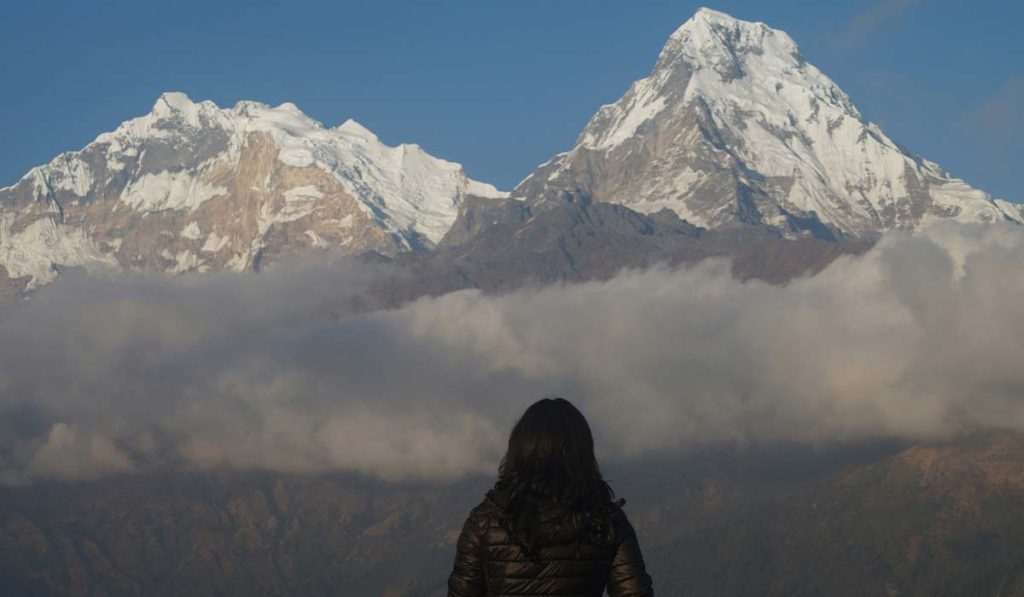
The classic route usually begins from Nayapul or nearby road heads, passes through Tikhedhunga or Ulleri, continues to Ghorepani, and then climbs to Poon Hill for sunrise. It is popular for good reason. The trail is clear, tea houses are reliable, and the mountain panorama is excellent.
Still, the standard approach is not always the best fit. Road access in the Annapurna region has changed many starting points. Some trekkers want fewer stone steps. Some prefer quieter villages over the busiest overnight stops. Others are already planning to connect Poon Hill with Mardi Himal, Annapurna Base Camp, or Khopra Danda. In those cases, alternative routes often make more sense than forcing the classic version.
Alternative Poon Hill Routes worth considering
1. Ghandruk to Tadapani to Ghorepani
This is one of the best alternatives if you want stronger village culture and forest walking before reaching Poon Hill. Instead of taking the usual Ulleri side, you begin from Ghandruk, one of the best-known Gurung villages in the Annapurna region. From there, the trail climbs through rhododendron and oak forest to Tadapani, then continues toward Ghorepani.
The main appeal is variety. Ghandruk gives you traditional stone houses, broad Annapurna South and Machhapuchhre views, and a less repetitive start than the long stair sections below Ulleri. Tadapani is also a pleasant overnight stop with a more open mountain feel than some lower villages.
This route is a good choice for trekkers who have 4 to 5 days and want scenery from the beginning. The trade-off is that there are still many ups and downs, so it is not necessarily easier than the standard route. It just spreads the effort differently.
2. Ulleri to Ghorepani direct approach
If your goal is simple – reach Poon Hill efficiently – this is the most practical short alternative. Because of road access changes, many trekkers now start higher than Nayapul and drive as far as Ulleri or nearby road heads when conditions allow. That cuts out some of the lower walking days and gets you into the main forest section faster.
This is ideal for travelers with limited time who still want the classic sunrise from Poon Hill. In many itineraries, you can complete the trek in 2 to 3 days depending on your transport plan and fitness. The challenge is obvious: the climb above Ulleri is still demanding, and the stone staircase sections can feel tough on knees and lungs.
If you want the shortest version without losing the main viewpoint, this is usually the strongest option.
3. Ghandruk loop with Poon Hill
For trekkers who do not want to retrace the same trail, a loop that combines Ghandruk and Ghorepani works very well. You can go in through Ulleri and come out through Tadapani and Ghandruk, or do the reverse. Either way, you see two distinct sides of the lower Annapurna trekking area.
This route is often the smartest choice for first-time trekkers because it combines classic sunrise views, dense forest, high ridges, and one of the region’s most rewarding villages. It also gives more flexibility with overnight stops if weather or fatigue changes your pace.
The loop format keeps the trek interesting. Instead of climbing up and descending the same way, you move through changing terrain and settlement patterns. That usually makes the trek feel more complete, even if the total number of walking hours is similar.
4. Poon Hill via Mohare Danda
If you want a quieter route and do not mind a longer itinerary, Mohare Danda is one of the most rewarding alternatives. This community-based trail runs on a less crowded ridge system and can be linked with Poon Hill. The experience feels more remote than the busy Ghorepani corridor, even though the overall difficulty remains moderate.
The biggest difference here is atmosphere. Mohare Danda gives broad ridge views, fewer trekkers, and a more peaceful overnight rhythm. In the right season, the forest sections are excellent, and the mountain views stretch across Dhaulagiri and Annapurna ranges.
This route suits trekkers who value quieter trails over the most direct access. The trade-off is that logistics and overnight planning need a bit more care than on the standard Poon Hill route, where tea house infrastructure is more straightforward.
5. Poon Hill with Khopra Danda extension
Some trekkers look for Alternative Poon Hill Routes because they want more than a short viewpoint trek. In that case, linking Poon Hill with Khopra Danda is one of the best upgrades. You still get the famous sunrise hill, but you continue into a less crowded high ridge area with much bigger mountain exposure.
After reaching Ghorepani and Poon Hill, the route branches toward Swanta and Khopra. This extension adds time and elevation, but the reward is significant. Khopra Danda offers one of the finest close-range panoramas in the lower Annapurna region, especially toward Dhaulagiri and Nilgiri.
This is better for trekkers with 6 to 8 days who want a more immersive route without committing to a very high-altitude expedition-style trek. It is also a smart option for people who have already done short tea house treks and want something richer than the basic circuit.
6. Poon Hill combined with Annapurna Base Camp
If you are already considering Annapurna Base Camp, adding Poon Hill can make the itinerary much more rounded. One common variation starts through Ghandruk or Ghorepani, reaches Poon Hill first, then continues toward Chhomrong and the Annapurna Base Camp trail.
This combination works well because it gives two very different mountain experiences. Poon Hill offers wide sunrise panoramas over multiple peaks, while Annapurna Base Camp places you deep inside the mountain amphitheater. Together, they create a fuller sense of the region than either trek alone.
This is not the best choice if you only want a short holiday. It is better for trekkers with roughly 8 to 12 days who want a major trek but still appreciate cultural villages and lower forest trails before moving higher.
7. Poon Hill linked with Mardi Himal
For trekkers who want a route with changing character, linking Poon Hill and Mardi Himal is an excellent option. These are separate trekking areas within the broader Annapurna region, but they can be combined with transport or customized connecting days.
Why consider this pairing? Poon Hill gives you classic tea house trekking, village life, and broad mountain views. Mardi Himal adds a narrower ridge trail, more dramatic close-up views of Machhapuchhre, and a more alpine feeling by the upper camps. The result is a trek that starts gently and finishes with sharper mountain drama.
This works best for trekkers who have already decided to spend over a week in the region and want more than one trekking style in a single trip. It needs better itinerary planning, but the variety is excellent.
How to choose the right route
The best route depends on three things: your available days, how much uphill you can comfortably manage, and whether you want a standalone short trek or part of a longer plan.
If time is tight, the direct Ulleri approach is usually the most efficient. If you want culture and a more scenic village start, go through Ghandruk. If you want quiet ridges, Mohare Danda is stronger. If you want a bigger trek, connect Poon Hill with Khopra Danda or Annapurna Base Camp.
Fitness matters, but not in the way many people assume. Poon Hill itself is not a technical trek. The challenge comes from repeated ascents, stone staircases, and long walking days if the itinerary is compressed. A slightly longer route can actually feel easier than a rushed short one because it spreads the climbing more sensibly.
Practical planning notes for alternative routes
Most Poon Hill variations still require Annapurna region permits, and tea house availability is usually good on the main corridors. On quieter routes like Mohare Danda or Khopra, it is wise to plan stops more carefully, especially in shoulder seasons or if you are trekking in a small group.
Spring and autumn remain the best seasons for most routes. Spring gives rhododendron blooms and good forest color. Autumn usually offers the sharpest mountain visibility. Winter can also be very rewarding on shorter routes if you are prepared for cold mornings. During monsoon, trails are greener and quieter, but clouds, leeches, and slippery paths become real factors.
Road conditions also affect route choice more than many guidebooks suggest. What used to be a longer walking approach may now be partially replaced by jeep access, but that does not always mean a better experience. Sometimes driving higher saves time. Sometimes it only adds dust and reduces the gradual buildup of the trek. It depends on your priorities.
If you are unsure, the safest approach is to choose a route that matches your pace rather than your ambition. A well-planned 4-day Poon Hill loop can feel more satisfying than a longer itinerary squeezed into too few days. That is especially true in the Annapurna foothills, where good trekking is not just about reaching a viewpoint, but enjoying the rhythm of the trail, the villages you pass, and the mountain mornings you do not have to rush through.