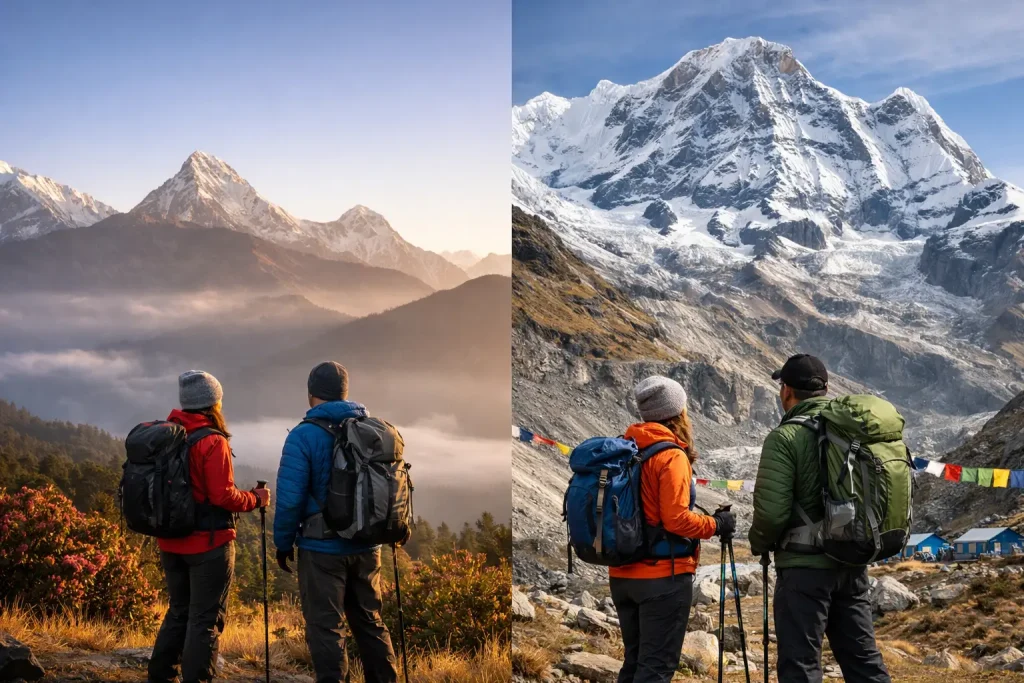
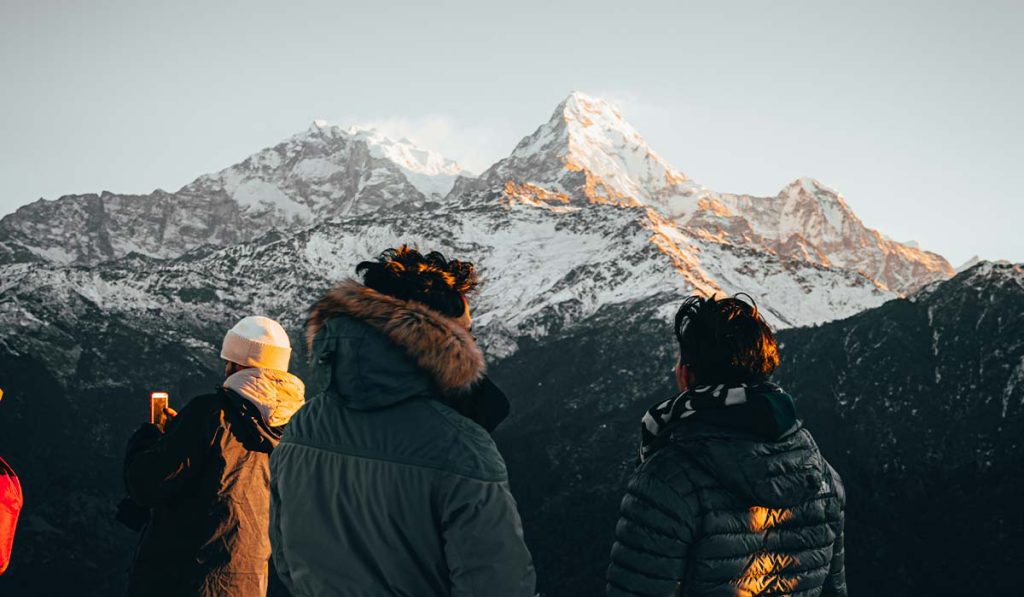
If you are planning the Ghorepani Poon Hill trek, one of the first practical questions is simple: how do you actually get to the starting point? Knowing how to reach the Poon Hill trailhead can save you time, avoid confusion on travel day, and help you choose the route that fits your schedule, budget, and trekking style.
Poon Hill is one of the most accessible and rewarding short treks in Nepal. The sunrise view over Dhaulagiri, Annapurna South, Machhapuchhre, and Hiunchuli draws trekkers from around the world, but the trail does not begin at Poon Hill itself. You first need to reach one of the common road-access trailheads in the Annapurna region, and that choice affects your walking days, difficulty, and overall itinerary.
Where is the Poon Hill trailhead?
There is not just one single trailhead for Poon Hill. In practice, trekkers usually begin the route from Nayapul, Birethanti, Hile, Tikhedhunga, or Ulleri, depending on road access and the itinerary they want to follow.
Traditionally, Nayapul was the classic starting point. Trekkers drove from Pokhara to Nayapul, then started walking through Birethanti toward Tikhedhunga and Ulleri. Today, road improvements have pushed vehicle access farther up the route in many seasons, so some trekkers now begin from Hile or Ulleri and shorten the trek by a day.
This is why the best answer to how to reach the Poon Hill trailhead depends on how much walking you want, current road conditions, and whether you prefer the classic approach or a shorter version.
The most common starting points
For most trekkers, these are the realistic entry points for the Poon Hill trek.
Nayapul is the traditional starting point and still a good option if you want the full classic trekking experience. From there, the trail gradually follows villages and river valleys before climbing higher.
Hile is a common road-access point where vehicles can continue beyond Nayapul. Starting here cuts out part of the lower trail and saves time.
Tikhedhunga has also been used as a road-end start in some itineraries, though this depends on seasonal road conditions and transport availability.
Ulleri is now one of the most popular modern trailheads because jeeps can often reach it. Starting from Ulleri removes the long stone staircase climb from a lower elevation, which many trekkers are happy to skip. The trade-off is obvious: you walk less of the route and spend more time in a vehicle on rough mountain roads.
How to reach the Poon Hill trailhead from Pokhara
Pokhara is the main gateway for the Poon Hill trek. Almost everyone heading to the trail starts by reaching Pokhara first, whether from Kathmandu or from another part of Nepal.
From Pokhara, the road journey to the trailhead usually takes between 1.5 and 4 hours, depending on where your vehicle stops, the condition of the road, traffic, and the season. If you are driving only to Nayapul, the trip is shorter and easier. If you continue by jeep to Hile or Ulleri, expect a longer and bumpier ride.
Private jeep is the easiest and most flexible option. It is especially useful if you are carrying trekking gear, traveling in a small group, or want to start early without waiting for shared transport. A private vehicle also gives you more control if weather or road conditions require a change of plan.
Shared jeep is the budget-friendly choice and commonly used by independent trekkers and small groups. It is cheaper, but departures may depend on passenger numbers and available seats. Comfort is basic, and luggage space can be limited.
Local bus is possible on some sections, especially toward Nayapul, but it is slower and less predictable. If your priority is convenience and a smooth start to the trek, most travelers prefer a jeep.
How to reach the Poon Hill trailhead from Kathmandu
If you are starting in Kathmandu, the usual first step is to travel to Pokhara. After that, you continue by road to your chosen trailhead.
There are three practical ways to get from Kathmandu to Pokhara: tourist bus, private vehicle, or domestic flight. The tourist bus is the most economical option and works well if you have enough time. The drive commonly takes 7 to 9 hours, sometimes longer if traffic is heavy.
A private car or jeep gives more control and comfort, especially if you are traveling with family or a guide team. It costs more, but it can reduce some of the stress of a long road journey.
A flight from Kathmandu to Pokhara is the fastest choice. It saves significant time and is ideal if your itinerary is short. The downside is that mountain weather can affect flight schedules, so it is wise to keep some flexibility if you choose to fly.
Once in Pokhara, you continue by jeep or car to Nayapul, Hile, or Ulleri. For many trekkers, this means arriving in Pokhara one day, then driving to the trailhead and beginning the trek the next morning. That plan is more relaxed. It is also possible to arrive in Pokhara early and continue straight to the trailhead on the same day if your energy and timing allow.
Which trailhead should you choose?
This is where planning becomes more personal than technical.
If you want the classic Poon Hill route, start from Nayapul or nearby. This gives you a fuller sense of the trail, a more gradual progression through villages, and a better feeling of walking into the mountains rather than jumping ahead by road.
If your time is limited, Ulleri is often the best choice. Starting there can shorten the trek and make it easier to fit into a 3- to 4-day plan from Pokhara. This option is especially popular with trekkers who have already done longer routes in Nepal and simply want a short panoramic trek.
If you are concerned about the steep stone steps between Tikhedhunga and Ulleri, driving to Ulleri can make the first day much easier. On the other hand, if you enjoy earning your ascent on foot, the lower trail still has value.
There is no perfect answer for everyone. The right starting point depends on whether your priority is classic trail experience, comfort, or shorter duration.
Road conditions and seasonal realities
One mistake many trekkers make is assuming that road access is fixed year-round. It is not.
Road conditions on the Poon Hill approach can change with monsoon damage, repairs, landslides, and seasonal maintenance. In dry months, jeeps often reach farther up the route with fewer problems. During or just after the monsoon, muddy sections and road damage can slow travel or force vehicles to stop earlier than expected.
This matters because an itinerary built around driving to Ulleri may need adjustment if the road is poor. In that case, you may start walking from Hile or even lower. This is normal in Nepal, and flexible planning is always better than assuming exact transport timing.
Spring and autumn usually offer the most reliable trekking conditions, but even then, road delays can happen. If you have a flight out of Nepal soon after the trek, do not schedule your return too tightly.
Permits and checkpoint planning
Reaching the trailhead is not just about transport. You also need to be properly prepared for the route itself.
The Poon Hill trek lies within the Annapurna region, and trekkers generally need the required entry documentation for the area. Permit policies in Nepal can change, so it is wise to confirm the current requirements before departure rather than relying on old travel advice.
On the route, your permits may be checked at entry points or along the trail. If you are going independently, organize these before starting. If you are trekking with an agency or guide, this is usually handled for you.
A practical route example
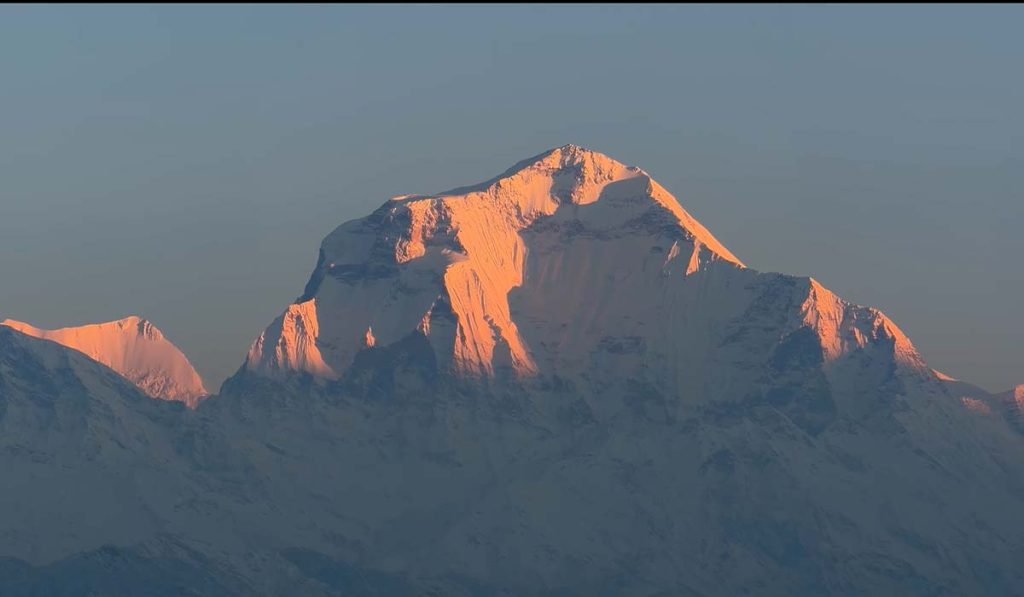
For many travelers, the smoothest plan looks like this: arrive in Pokhara, overnight there, then take a morning jeep to Ulleri or Nayapul, depending on your chosen itinerary. From Ulleri, you can walk to Ghorepani over one or two days, depending on pace. From Nayapul, the trek is longer and follows the traditional lower approach.
If you are coming from Kathmandu with limited time, flying to Pokhara and driving onward is the fastest overall combination. If your budget matters more than speed, the tourist bus to Pokhara and a shared jeep to the trailhead is the economical route.
Small details that make the day easier
Start early if possible. Mountain roads are usually calmer in the morning, and early departure gives you more walking time if transport is delayed.
Keep some cash with you for transport changes, snacks, and checkpoints. Mobile signal can be uneven on the road, and digital payment is not something you should count on.
If you are prone to motion sickness, prepare for the jeep ride. The upper road sections can be rough and winding.
And if you are trekking during busy seasons, it helps to arrange transport in advance. The route is popular, and last-minute seats are not always available at the time you want.
For trekkers who want reliable local planning, route updates, and realistic timing based on current field conditions, this is exactly where experienced ground support matters. A short trek becomes much more enjoyable when the logistics are handled clearly from the start.
Once you know your entry point, the rest of the Poon Hill journey becomes much simpler. The mountains will do the memorable part. Your job is to begin from the right place, with the right expectations, and enough flexibility for the road that gets you there.