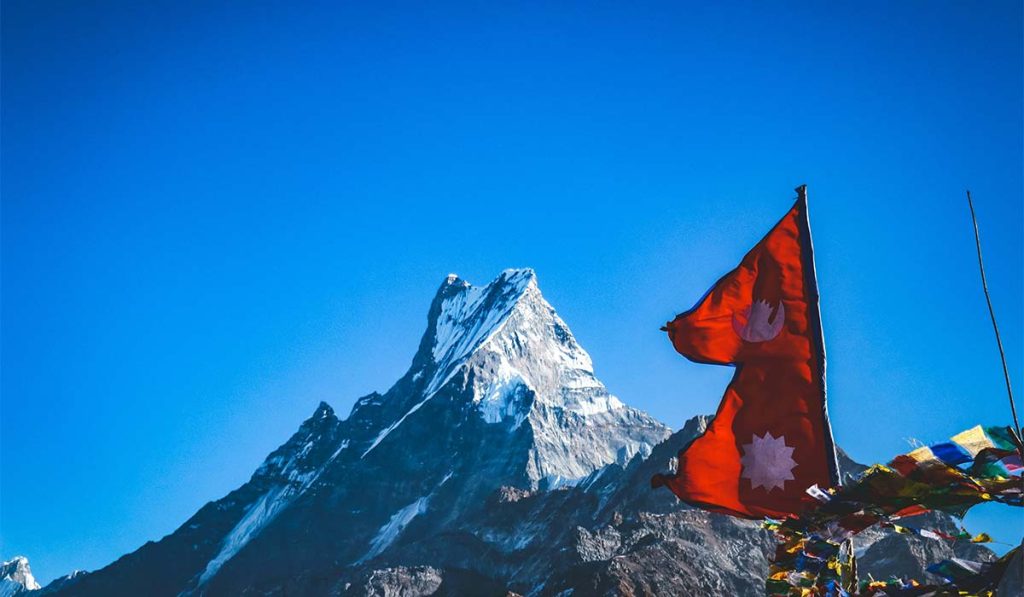
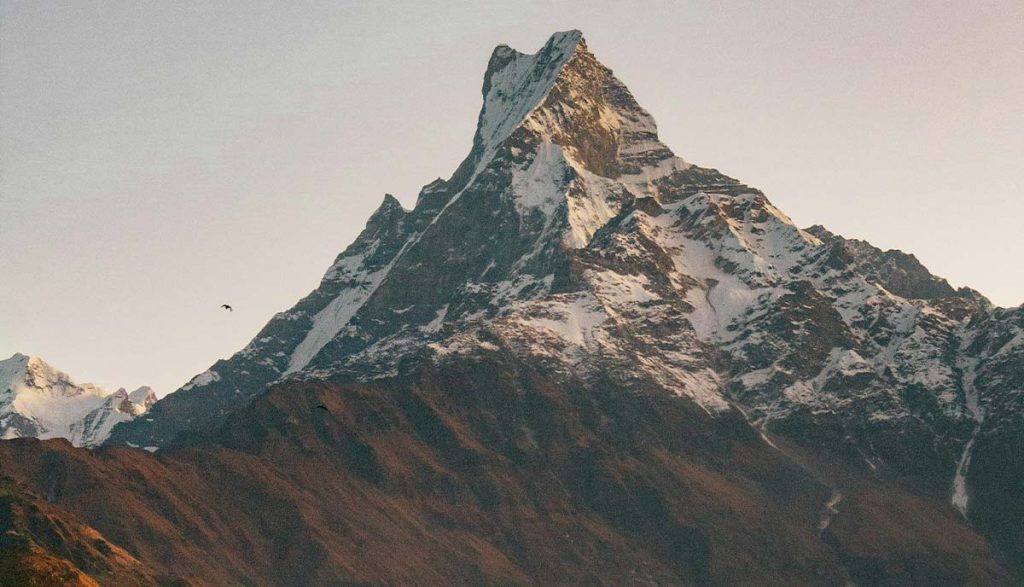
If you are trying to decide the Best time Mardi Himal Trek can be done with the best mix of weather, views, and trail conditions, the short answer is spring and autumn. But that quick answer is only helpful up to a point. On this trail, a clear sunrise at High Camp, a week of cloud build-up, or a few days of rain can completely change the experience.
Mardi Himal is one of the most rewarding short treks in the Annapurna region because it gives you close mountain scenery without the length of the Annapurna Circuit or Everest Base Camp. The route climbs through forest, rhododendron country, ridge trails, and high viewpoints facing Machhapuchhre, Mardi Himal, Annapurna South, and Hiunchuli. Since the trail rises quickly from lower hills to alpine terrain, the season matters more than many trekkers expect.
Best time for Mardi Himal Trek by season
For most trekkers, the best time for the Mardi Himal Trek is from March to May and from late September to November. These are the two main trekking seasons in Nepal, and Mardi Himal performs well in both.
Spring brings stable conditions, warmer temperatures, and blooming rhododendron forests, especially between Forest Camp and Low Camp. The mountains are often clear in the morning, although afternoon clouds are common. This is an excellent season if you want a balance between comfortable temperatures and strong scenery.
Autumn is usually the most reliable season for sharp mountain views. After the monsoon clears dust and haze from the air, visibility can be outstanding. The skies are often more consistently clear than in spring, and the trail conditions are generally dry and stable. For trekkers who care most about panoramic views from High Camp and Mardi Himal Base Camp, autumn often has the edge.
Winter and monsoon are possible, but they suit specific types of trekkers rather than most first-time visitors. Winter can be beautiful and quiet, but cold temperatures and occasional snow at higher elevations may disrupt plans. Monsoon offers green landscapes and fewer people, yet clouds, rain, leeches, and limited visibility can reduce the quality of the trek.
Spring on Mardi Himal: March to May
Spring is one of the strongest seasons for this route. March usually starts cooler, especially at higher elevations, but the air is often crisp and the mountains can be very clear in the mornings. By April, the trail feels livelier, forests are greener, and rhododendrons are often in bloom. May gets warmer, and with that warmth comes a higher chance of haze and afternoon cloud.
This season works well for trekkers who want a comfortable trekking environment without the deep cold of winter. Teahouses are open, the route is active, and conditions are usually favorable for both beginners and experienced hikers. The ridge above Low Camp feels especially beautiful in spring because the landscape changes quickly from dense forest to open alpine views.
The trade-off is visibility later in the day. In spring, it is common to have brilliant mountain views in the early morning and then watch clouds gather by noon or early afternoon. That means good timing matters. If you want the best experience at View Point or Mardi Himal Base Camp, start early.
Autumn on Mardi Himal: late September to November
Autumn is widely considered the best overall season for Mardi Himal. Late September can still see some lingering post-monsoon moisture, but by October the weather usually becomes stable, dry, and clear. November is also excellent, with especially sharp views, though nights get colder as the month progresses.
This is the season many experienced trekkers prefer because the visibility is often more dependable than in spring. The sunrise from High Camp can be exceptional, with Machhapuchhre glowing directly ahead and the Annapurna range opening wide around it. If your main reason for doing Mardi Himal is mountain scenery, autumn gives you the strongest chance of getting it.
The main downside is popularity. Although Mardi Himal is still shorter and often quieter than some classic routes, autumn is the busiest trekking season in Nepal. Teahouses can fill up, and the trail can feel more social, especially in October. For some trekkers that is a positive. For others, especially those looking for a quieter ridge experience, late November can be a better compromise.
Winter on Mardi Himal: December to February
Winter is underrated, but it requires more care. In December, conditions can still be quite manageable if the weather is stable. The skies are often very clear, and the trail is far less crowded than in autumn. This can be a great time for trekkers who enjoy crisp air, peaceful trails, and do not mind cold mornings.
From late December through February, temperatures drop significantly at higher points like High Camp and Base Camp. Snowfall can make the upper trail more difficult or, in some cases, temporarily inaccessible without adjustments. Even when the route remains open, frozen sections, cold nights, and weather changes make the trek more demanding.
Winter is usually better for trekkers with some mountain experience or those going with a guide who can judge trail safety and adjust the itinerary if needed. If you are flexible and lucky with the weather, winter can deliver some of the clearest views of the year.
Monsoon and summer: June to early September
Monsoon is the least favorable season for most people. Rain affects the lower forest sections, trail surfaces become muddy, and clouds often block the very mountain views that make Mardi Himal special. Leeches can also be present on damp forest trails, especially in heavily vegetated sections.
That said, not every day is a washout. Mornings can still open up with clear patches, and the hills are intensely green. If you prefer solitude and do not mind mixed weather, this season has a certain appeal. But for travelers coming to Nepal with limited time and a strong focus on views, monsoon is usually not the smart first choice.
Best month for different priorities
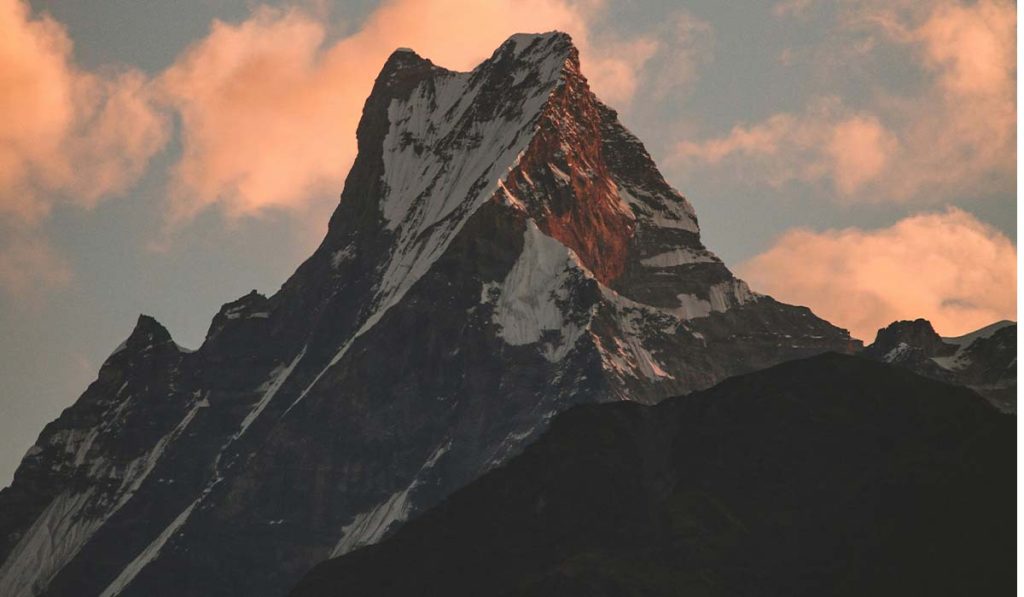
If you want the best all-around month, October is hard to beat. It usually offers stable weather, dry trails, strong visibility, and comfortable trekking conditions.
If you want blooming forests and a slightly softer landscape, April is excellent. If you want fewer people while still keeping good mountain views, November is often a very good option. For budget-conscious or crowd-averse trekkers who can handle more uncertainty, December can also work well.
This is why there is no single perfect answer for every traveler. The best month depends on what matters most to you – views, temperature, trail quiet, or flexibility.
Weather and temperature by elevation
One reason the season matters so much on Mardi Himal is the quick elevation gain. You may begin in relatively mild conditions and end the day in freezing wind. Lower sections around Kande, Pothana, and Forest Camp are usually much warmer than Low Camp, High Camp, and the upper viewpoint areas.
In spring and autumn, daytime trekking temperatures are generally comfortable, but early mornings near High Camp can still be very cold. In winter, the cold becomes a serious planning factor rather than a minor inconvenience. A clear morning at altitude may look calm from a distance, yet feel biting once you step onto the ridge.
Because of this, trekkers often underestimate layering needs on Mardi Himal. Even in the best trekking months, you need warm clothing for dawn starts to the viewpoint or base camp.
Crowds, trail condition, and visibility
Mardi Himal is often marketed as a quieter alternative in the Annapurna region, and compared with some classic routes, that is still true. But the route is no longer a hidden trail. During prime autumn dates and peak spring weeks, the teahouse line from Low Camp upward can feel busy.
Autumn usually gives the driest and most stable footing. Spring is also good, though some sections may be damp, and afternoon cloud can build more quickly. Winter can bring snow and ice above Low Camp. Monsoon creates the most difficult lower trail conditions, especially in forested sections.
For visibility, autumn ranks first for most trekkers, spring second, winter third with the note that good winter windows can be superb, and monsoon last.
So when should you go?
If this is your first trek in Nepal and you want the highest chance of good weather and mountain views, choose October, November, April, or early May. If you prefer a greener landscape and blooming rhododendrons, go in spring. If you want the clearest panoramas and the most stable post-rain atmosphere, choose autumn.
If you are considering winter or monsoon, go with realistic expectations and some flexibility in your schedule. Those seasons can still be rewarding, but they are less forgiving.
For most trekkers, the safest recommendation is simple: plan Mardi Himal in spring or autumn, start your high viewpoint days early, and give yourself at least a little room for weather changes. On this trek, timing is not a small detail. It is one of the biggest factors shaping what you see, how comfortable you feel, and how memorable the route becomes.