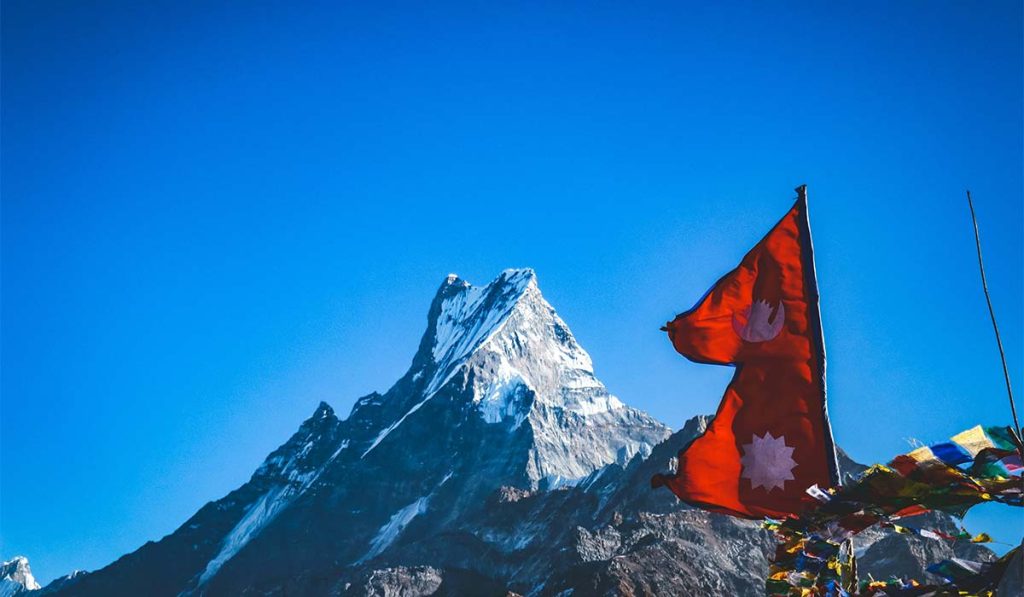
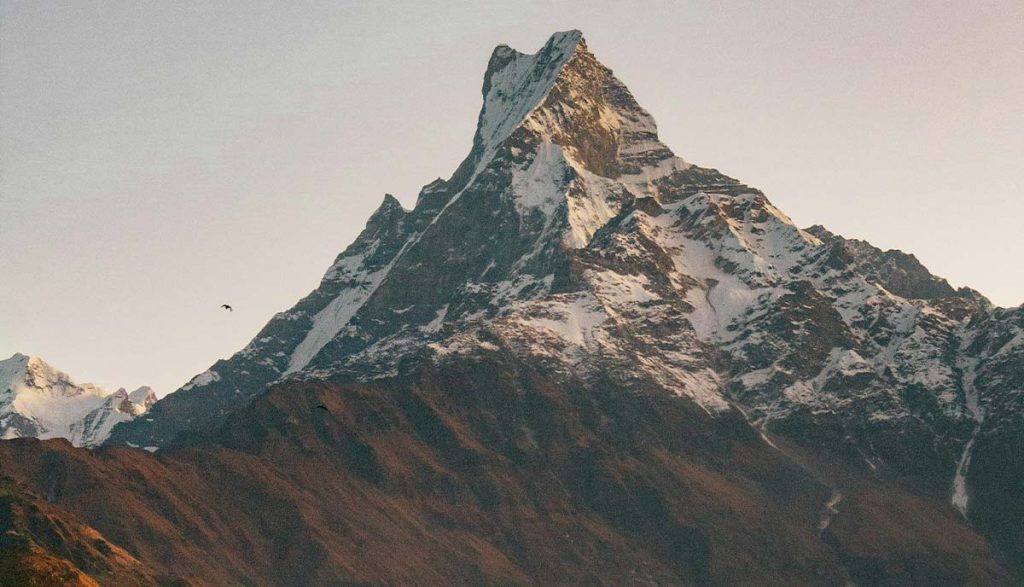
The Solo vs guided Mardi Trek decision matters more than many trekkers expect. Mardi Himal is often described as a short and straightforward trek, but the right choice depends on your mountain experience, confidence with route finding, budget, and how you handle altitude, weather, and logistics when things do not go as planned.
Mardi Himal sits in the Annapurna region and is one of the best shorter treks in Nepal. The trail passes through forest, ridge walking, and high mountain viewpoints with excellent views of Machhapuchhre, Annapurna South, and Hiunchuli. Because the route is shorter than the Annapurna Circuit or the Everest Base Camp, many trekkers assume it is best done independently. Sometimes that is true. Sometimes it is not.
Solo vs guided Mardi Trek: the main difference
A solo trek gives you freedom. You can walk at your own pace, choose where to stop, change plans if the weather shifts, and keep your budget tighter. For experienced trekkers who are comfortable in the mountains, that freedom is a real advantage.
A guided trek gives you structure and support. Your guide manages the route, helps with local communication, monitors your pace and condition, and makes practical decisions when weather, trail conditions, or health issues affect the plan. On a route like Mardi Himal, this can turn a stressful trip into a much smoother one.
The real difference is not just independence versus convenience. It is a responsibility. When you trek solo, every decision is yours.
When solo trekking makes sense
Mardi Himal can work well as an independent trek for hikers who already have solid trekking habits. If you have previous multi-day hiking experience, can read trail conditions, understand basic altitude safety, and are comfortable organizing transport, permits, meals, and lodges, solo trekking may suit you.
The trail is generally well established, and in peak seasons there are usually other trekkers and open teahouses along the route. That gives independent trekkers some reassurance. For confident hikers who enjoy quiet decision-making and do not need much support, solo trekking can feel more personal and flexible.
But this only works when your confidence is based on experience, not assumption. A short trek is not always a simple trek.
When a guided Mardi Trek is the better choice
A guided Mardi Trek is usually the better option for first-time trekkers in Nepal, solo female travelers who want extra reassurance, travelers with limited time, and anyone trekking outside the busiest season.
Mardi Himal is not the most technically difficult trek in Nepal, but there are still real variables. Trails can be confusing in fog or after fresh snowfall. Lodge availability changes by season. Altitude may affect trekkers more than expected, especially if they ascend too quickly from Pokhara. A guide notices these issues early and adjusts before a small problem becomes a bigger one.
This is also a better choice if you want to enjoy the trek without constantly managing the details. Many trekkers underestimate how tiring it is to walk for hours and then sort out rooms, meals, timing, and the next day’s route.
Safety, navigation, and altitude
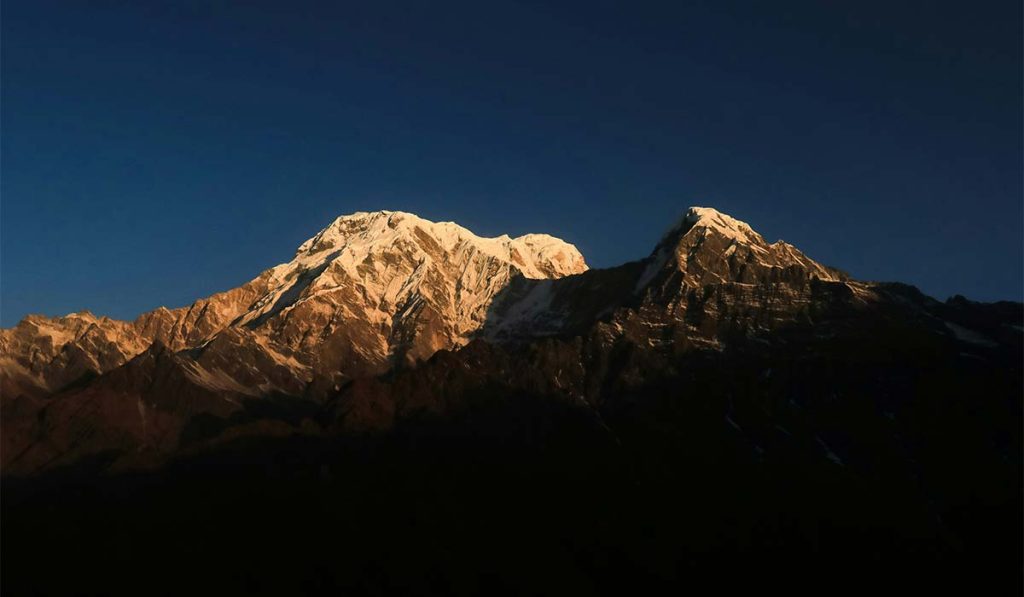
This is where guided trekking has the clearest edge. Mardi Himal reaches high altitude, and although it is lower than some major treks, altitude sickness is still possible. Independent trekkers sometimes ignore early symptoms or push higher because the destination feels close.
A good guide reads the situation with more objectivity. They can slow the pace, suggest an extra stop, or tell you clearly when it is smarter not to continue. That judgment is especially useful above Low Camp and High Camp, where weather exposure increases and conditions can change fast.
Navigation is another factor. Much of the route is straightforward in normal conditions, but forest sections, side trails, cloud cover, and snow can make the trail less obvious than expected. If visibility drops, local route knowledge becomes more valuable.
Cost: solo is cheaper, but not always by much
If your main goal is to spend less, solo trekking usually wins. You avoid guide fees and keep direct control over transport, food, and lodging choices.
Still, the price gap is not always as large as travelers think. A guided trip often includes permit help, transport coordination, route planning, and practical backup if your itinerary changes. That support has value, especially if you have limited days in Nepal and cannot afford delays or mistakes.
There is also a hidden cost to going solo if poor decisions lead to route confusion, a bad overnight stop, or unnecessary transport expenses. Cheaper on paper does not always mean better value.
Experience on the trail
Solo trekking usually feels quieter and more independent. You spend more time with your own thoughts, set your own rhythm, and interact naturally with other trekkers and lodge owners. For some people, that is the best part of the journey.
Guided trekking often gives you a deeper understanding of the place. A knowledgeable local guide can explain villages, mountain culture, seasonal patterns, and practical details about the trail that you would otherwise miss. This adds context, not just convenience.
If you are new to trekking in Nepal, that local insight can make the whole trip feel more grounded and less uncertain.
So, which should you choose?
Choose solo if you have real multi-day trekking experience, are comfortable with basic altitude management, can adapt when plans change, and genuinely enjoy independent travel.
Choose guided if this is your first trek in Nepal, your time is limited, you want better safety support, or you would rather focus on walking than managing every detail yourself.
For many trekkers, the smartest choice is not the cheapest or most adventurous-sounding one. It is the one that matches your actual experience level. On Mardi Himal, that usually leads to a better trek from the first day to the final descent.