Many first-time trekkers in Nepal ask the same thing: Is the Mardi Himal Trek for beginners? The short answer is yes, for many people it is. But that answer only holds if you understand what makes it manageable, where it becomes challenging, and how to prepare for the altitude, long walking days, and changing mountain weather.
Mardi Himal is often recommended as a beginner-friendly trek because it is shorter than many famous routes in Nepal, the trail is well established, and the scenery feels dramatic very quickly. You do not need technical climbing skills, ropes, or previous mountaineering experience. At the same time, this is still a Himalayan trek. You will gain significant elevation, walk for several days in a row, and sleep at high altitude. That means it is friendly for beginners, but not effortless.
Why Mardi Himal works well for first-time trekkers
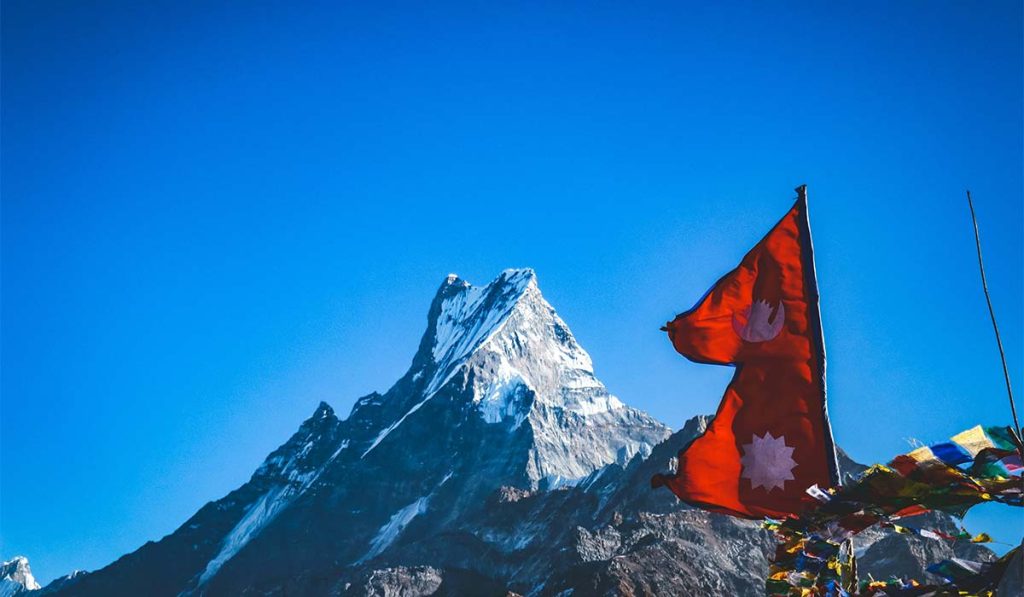
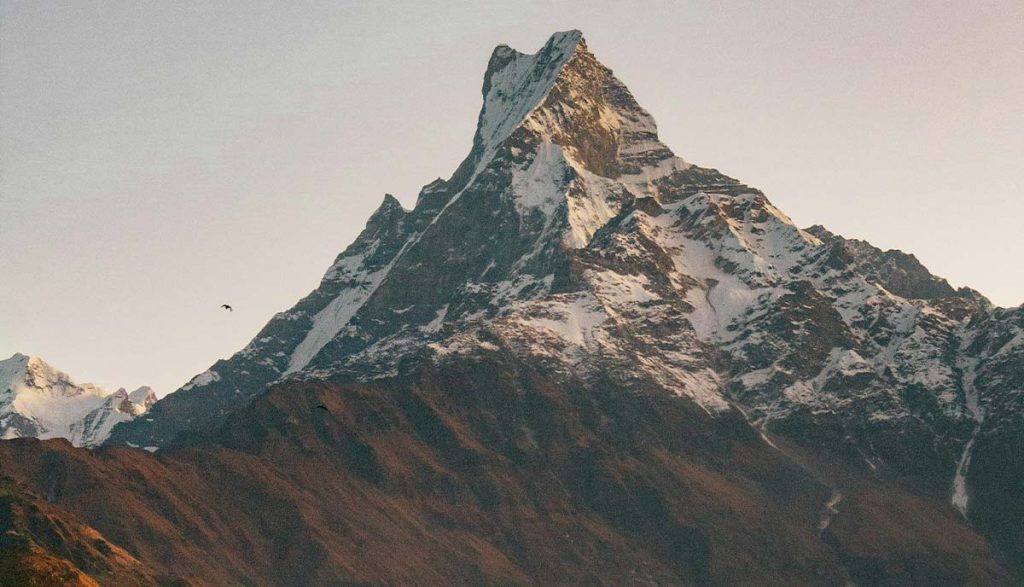
One reason beginners choose Mardi Himal is that it offers a strong mountain experience without committing to a very long itinerary. In a relatively short time, you move from forested trails and village teahouses to open ridgelines with wide views of Machhapuchhre, Annapurna South, and Hiunchuli. That fast transition gives new trekkers a real sense of being in the high Himalayas without needing a two-week schedule.
The route is also easier to understand than remote camping treks or restricted areas that involve more complicated logistics. Accommodation is available in teahouses, meals are straightforward, and access from Pokhara is convenient. For travelers who want their first multi-day trek in Nepal to feel adventurous but still practical, Mardi Himal sits in a very good middle ground.
Another advantage is crowd level. Compared with some busier trekking routes, Mardi Himal often feels quieter. For beginners, that can be a real benefit. A calmer trail gives you more space to walk at your own pace, learn how your body responds to altitude, and enjoy the landscape without the pressure of heavy foot traffic.
What makes Mardi Himal difficult for beginners
The main challenge is not the route finding or technical terrain. It is the combination of steady uphill walking, altitude gain, and basic mountain conditions. Many first-time trekkers underestimate how tiring repeated ascents can feel, especially above 3,000 meters.
The highest point is usually Mardi Himal Base Camp at around 4,500 meters, though some itineraries focus on the viewpoint below it. Even if the trail itself is not technical, that altitude matters. You may feel slower, more tired, and less hungry than expected. If your ascent is too fast or your body does not adjust well, altitude sickness becomes a real concern.
Weather is the second big factor. Conditions can change quickly, especially in the shoulder months and winter. A route that feels simple on a clear morning can become harder with fog, rain, snow, or strong wind. For beginners, that is why timing and pacing matter as much as fitness.
Mardi Himal Trek for beginners: who can do it?
A healthy beginner with decent general fitness can usually complete Mardi Himal with proper planning. You do not need to be an athlete. If you can walk for 5 to 7 hours a day, handle long stair climbs, and recover reasonably well overnight, this trek is within reach for many first-time trekkers.
It is a better first trek for someone who already does regular walking, hiking, running, cycling, or gym training than for someone coming straight from a sedentary routine. That does not mean unfit people cannot go, but it does mean the trek will feel much harder and less enjoyable.
Age matters less than preparation. We have seen younger trekkers struggle because they relied only on enthusiasm, and older trekkers do very well because they trained consistently and walked at a steady pace. Experience helps, but mindset and preparation matter more.
How fit should you be?
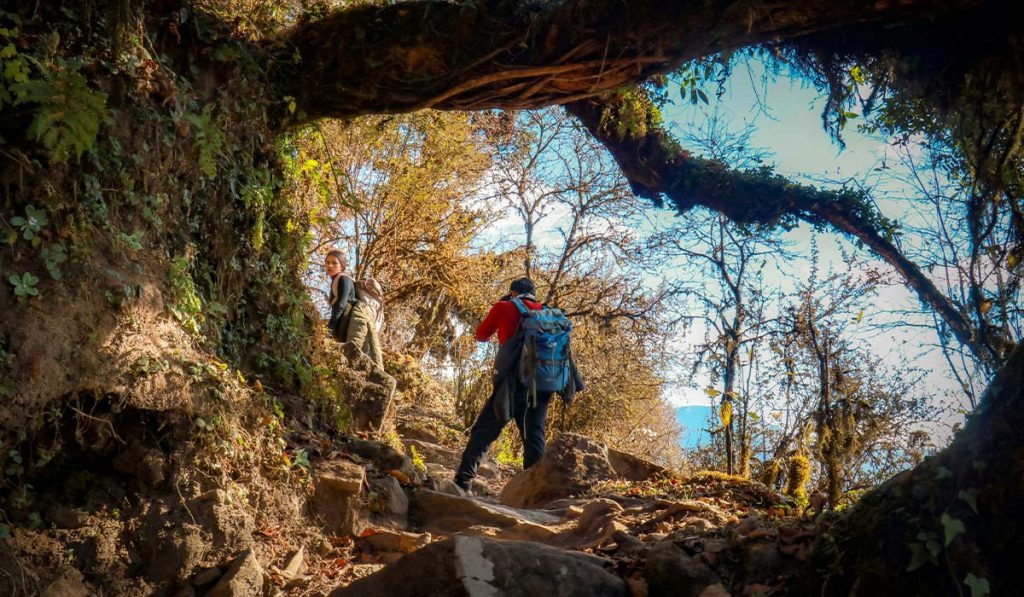
For Mardi Himal, beginners should focus on endurance rather than speed. The trek is not about racing uphill. It is about moving steadily for multiple days, often on stone steps, forest trails, and ridgelines.
A practical benchmark is this: if you can comfortably hike for 4 to 6 hours with some elevation gain, or walk long distances on back-to-back days, you are building the right base. Training should ideally start at least 6 to 8 weeks before the trek. Regular stair climbing, hill walking, light strength work, and cardio sessions will help much more than occasional hard workouts.
The area many beginners forget is downhill endurance. Descents can be hard on the knees and thighs, especially when you are tired. Good trekking poles and some pre-trip leg conditioning make a noticeable difference.
Route length, walking days, and pace
Most Mardi Himal itineraries take about 5 to 7 days, depending on the starting point, acclimatization pace, and transport arrangements. That shorter duration is one of the reasons it appeals to beginners. Still, short does not always mean easy. Some itineraries compress too much elevation gain into too few days.
A more beginner-friendly plan allows a gradual ascent and avoids pushing too hard to reach high camp too quickly. The trail typically passes through places like Forest Camp, Low Camp, Badal Danda, High Camp, and then the upper viewpoint or base camp area. As you go higher, the landscape opens up and the walking feels more exposed.
The day to the viewpoint or base camp is usually the toughest. It starts early, often before sunrise, and includes a long ascent at altitude. For a beginner, this is the day that tests pacing, layering, hydration, and mental focus. If you have rushed earlier days, you will feel it here.
Altitude and safety for first-timers
If there is one issue beginners should take seriously, it is altitude. Mardi Himal is not among Nepal’s highest treks, but it still goes high enough to cause problems. Being fit does not make you immune. Neither does being young.
The safest approach is a sensible itinerary, slow ascent, regular hydration, and attention to symptoms. Headache, nausea, dizziness, unusual fatigue, poor sleep, and loss of appetite can all be early warning signs. Mild symptoms are common, but they should never be ignored.
A guide is especially valuable for beginners because they can judge pace, monitor health, and help with decisions if weather or symptoms change the plan. Independent trekking is possible on some routes in Nepal, but first-time trekkers often benefit from experienced local support. On a route like Mardi Himal, that support adds both safety and confidence.
Best season for beginners
Spring and autumn are generally the best seasons for beginners on Mardi Himal. In spring, the weather is often stable, the forests can be colorful with rhododendron bloom, and temperatures are more comfortable. In autumn, skies are often clearer, views are excellent, and trail conditions are reliable after the monsoon ends.
Winter can still work for well-prepared trekkers, but cold temperatures and snow near the higher section make it less ideal for a first trek. Monsoon season brings rain, slippery trails, cloud cover, and leeches in lower forest areas. A beginner can still trek outside peak seasons, but the margin for comfort becomes smaller.
Teahouses, food, and comfort level
Mardi Himal is a teahouse trek, which makes it much more approachable for beginners than a camping route. You will usually find simple lodges with basic rooms, common dining areas, and standard trekking meals. Dal bhat, noodles, soup, potatoes, rice dishes, eggs, and tea are commonly available.
That said, comfort decreases as you go higher. Rooms become more basic, hot showers may be limited or extra, and charging devices can cost more. Wi-Fi, if available, is not something to rely on. For many beginners, the biggest adjustment is not the walking but the simplicity of mountain accommodation. If you expect luxury, this trek may surprise you. If you expect practical mountain living, it works well.
Common mistakes beginners make
The biggest mistake is assuming a shorter trek needs less preparation. Mardi Himal may be shorter than Annapurna Circuit or Everest Base Camp, but it still deserves respect. Another common mistake is carrying too much. Heavy bags turn a moderate trek into a harder one very quickly.
Some trekkers also start too fast. The first day feels exciting, the air is fresh, and energy is high. Then fatigue catches up on the higher section. A steady rhythm is far better than an ambitious start.
Clothing mistakes are common too. Beginners sometimes pack for cold only and forget how much body temperature changes during steep uphill walking. Layering is the answer. You need clothing you can add and remove easily, rather than one thick jacket that works only when standing still.
So, is it the right first trek for you?
If you want a scenic Himalayan trek that is short enough to fit into a limited travel schedule, challenging enough to feel real, and manageable without technical skills, Mardi Himal is one of the better first treks in Nepal. It gives beginners a serious mountain experience without the length and complexity of some bigger routes.
Still, the right answer depends on your starting fitness, your attitude toward altitude, and how wisely you plan the itinerary. If you train a little, choose the right season, and give the trek the respect it deserves, Mardi Himal can be an excellent first step into trekking in Nepal. For many people, it is not just possible – it is the trek that makes them want to come back for the next one.