Running short of cash on a remote trek is one of the easiest planning mistakes to avoid. If you are wondering, Are ATMs Available on Pikey Peak trek Route?, the short answer is yes, but only before or around the road-access sections, not reliably once you are properly on the trail. For most trekkers, the safest assumption is that ATM access on the Pikey Peak route is very limited, and you should begin the trek with enough Nepali rupees for the full journey.
Pikey Peak is still less commercialized than Everest Base Camp or Annapurna’s busiest trails. That is part of its appeal. You get quieter villages, broad Himalayan views, and a more local trekking experience. But the same reason many trekkers love this route is also why banking services are sparse. You should not expect regular ATM access from one stop to the next.
Are ATMs Available on Pikey Route or Nearby?
In practical terms, ATMs are usually available in Kathmandu, and in some cases in larger transit towns before the trek begins. Once you move deeper into the Pikey region, ATM availability becomes uncertain and should never be treated as part of your trek plan.
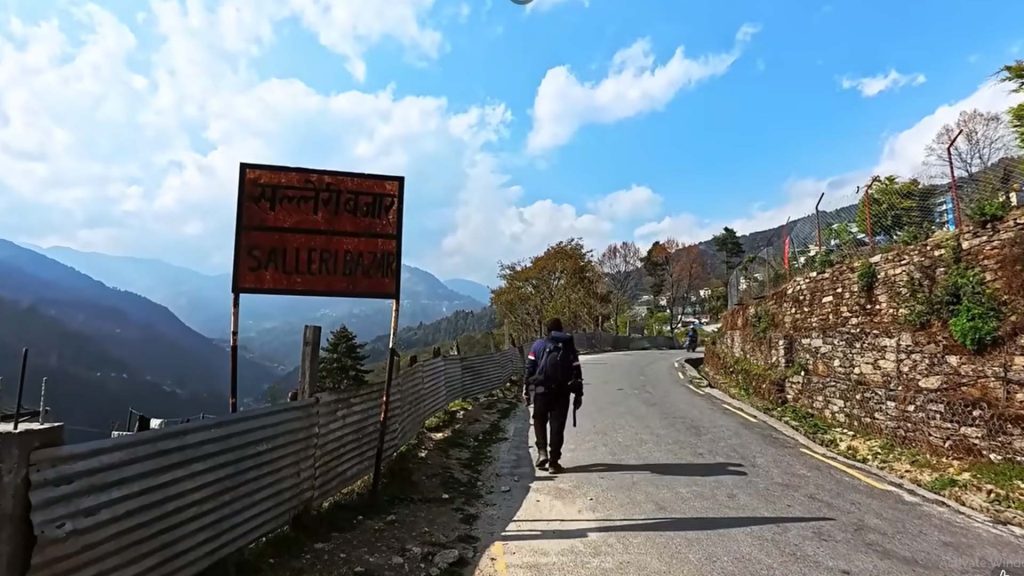
Most trekkers start by driving toward Dhap or a nearby trailhead area, depending on the itinerary. These smaller settlements are trekking gateways, not banking hubs. Even if a machine exists somewhere along the approach road in a market center, there is no guarantee it will be working, stocked with cash, or compatible with your card on the day you need it.
That is the real issue on treks in Nepal. The question is not only whether an ATM exists. The better question is whether it will be functional, powered, connected, and funded when you arrive. In remote hill regions, the answer can change daily.
Why You Should Not Depend on an ATM on the Trail
Trekkers sometimes assume that if a route is growing in popularity, card payments and ATM access follow quickly. On the Pikey route, that is not a safe assumption. Lodges and tea houses generally operate on cash, and supply logistics are still local and weather-dependent.
Even where digital payment or phone banking is becoming more common in Nepal, remote trekking areas still face weak mobile networks, electricity interruptions, and delayed banking support. An ATM may be out of service because of a power cut, poor connectivity, low cash supply, or mechanical issues. During busy trekking periods, machines in larger towns can also run empty faster than expected.
This is why experienced guides usually advise carrying the money you need in advance, in smaller denominations, rather than hoping to withdraw cash somewhere mid-trek.
Where to Withdraw Cash Before the Pikey Trek
Kathmandu is the most reliable place to withdraw money before heading to Pikey Peak. You will find the widest choice of banks and ATMs there, and if one machine does not work with your card, another usually will.
If your journey includes an overnight stop in a larger regional town before reaching the trailhead, you may find additional banking options there. Still, that should be treated as a backup, not the main plan. Withdraw your trekking cash in Kathmandu if possible, especially if you are traveling during a festival period, peak trekking season, or after bad weather that may affect transport and services.
It is also wise to carry some smaller notes. Tea houses may struggle to change large bills, especially early in the day or in smaller villages. If all your money is in large denominations, even simple purchases can become awkward.
How Much Cash Should You Carry on the Pikey Route?
The exact amount depends on your itinerary, comfort level, and what is included in your trek package. If your guide, transport, permits, meals, and accommodation are prepaid, your daily spending may be modest. If you are trekking independently or covering food and lodging as you go, you will need more.
For most trekkers, cash is needed for meals, tea, snacks, charging devices, Wi-Fi where available, hot showers in some lodges, bottled or boiled water, tips, and small incidental purchases. If transport changes because of weather or road conditions, extra cash is also useful.
A good rule is to budget for your planned daily expenses, then carry a buffer for at least one or two extra days. On a route like Pikey, flexibility matters. Delays happen. You may like a village enough to stay longer, or road conditions may change your exit plan.
If you are unsure about your personal spending style, estimate conservatively rather than tightly. Carrying a little extra cash is far less stressful than running short in a village with no banking access.
Typical Places Where You Will Spend Cash
On the Pikey route, most spending happens in tea houses and small local stops. Accommodation itself is often simple and reasonably priced, but food and drinks add up over several days, especially at higher points where supplies are carried in.
You may spend cash on dal bhat, noodles, soup, eggs, tea, coffee, snacks, and occasional extras like beer or soft drinks. Device charging and internet access, when offered, often cost extra. If you hire local porters, need a jeep adjustment, or want to buy small supplies before leaving the roadhead, cash remains the easiest and sometimes the only option.
Because services are basic, there is not much room for card infrastructure. That is why carrying cash is still the standard approach here.
Can You Pay by Card or Mobile Wallet?
In Kathmandu, yes. On the Pikey route itself, usually no, or not in any way you should rely on.
Some lodge owners or local businesses may occasionally accept a bank transfer or mobile wallet payment if network conditions allow. But for international trekkers, these methods are often inconvenient or unavailable. Foreign cards are rarely useful once you are outside major urban centers, and card machines are not standard in the villages along this trek.
So while Nepal is gradually expanding digital payments, Pikey remains a cash-first route. If a digital payment works somewhere, treat it as a bonus rather than part of your core plan.
Smart Cash Tips for the Pikey Peak Trek
The safest strategy is simple: withdraw cash before leaving Kathmandu, organize it carefully, and carry it in more than one place. Keep your main cash stored securely in a waterproof pouch or inner pocket, and separate a smaller amount for daily spending. That way, you are not opening your full cash supply every time you buy tea or pay for lunch.
It also helps to split money between your daypack and duffel if you are trekking with porter support, while still keeping valuables personally secure. If traveling as a couple or group, do not let one person carry all the cash.
Bring a mix of denominations. Smaller notes are useful for village payments, while very large notes can be harder to break. And before leaving the city, notify your bank if your card sometimes blocks international withdrawals. Even though you should not rely on ATMs during the trek, you do not want card issues before the trek starts either.
What If You Run Out of Cash?
If you miscalculate and run low on money during the trek, your options may be limited. In some cases, a guide or trekking company can help coordinate support from the nearest road-access point or town, but this depends on your location, network coverage, and how remote your itinerary is.
You should not expect a quick banking fix in the hills. Local lodge owners may be helpful, but they are not there to operate as emergency lenders or exchange counters. This is another reason planning your cash carefully matters more on Pikey than on more commercial routes.
If you are trekking with an organized team, ask in advance what is included and what must be paid in cash on the trail. That one conversation can prevent most money problems.
Final Answer: Are ATMs Available on Pikey Route?
Yes, ATMs may be available in Kathmandu and possibly in larger approach towns before the trek, but they are not reliably available on the Pikey route itself. For practical trekking purposes, you should assume there are no dependable ATMs once you are on the trail.
That makes cash planning part of basic trek preparation, just like packing layers or checking the weather. If you carry enough Nepali rupees, keep a small emergency buffer, and avoid depending on remote banking services, the Pikey route stays what it should be: a peaceful and rewarding Himalayan trek, not a search for the next cash machine.