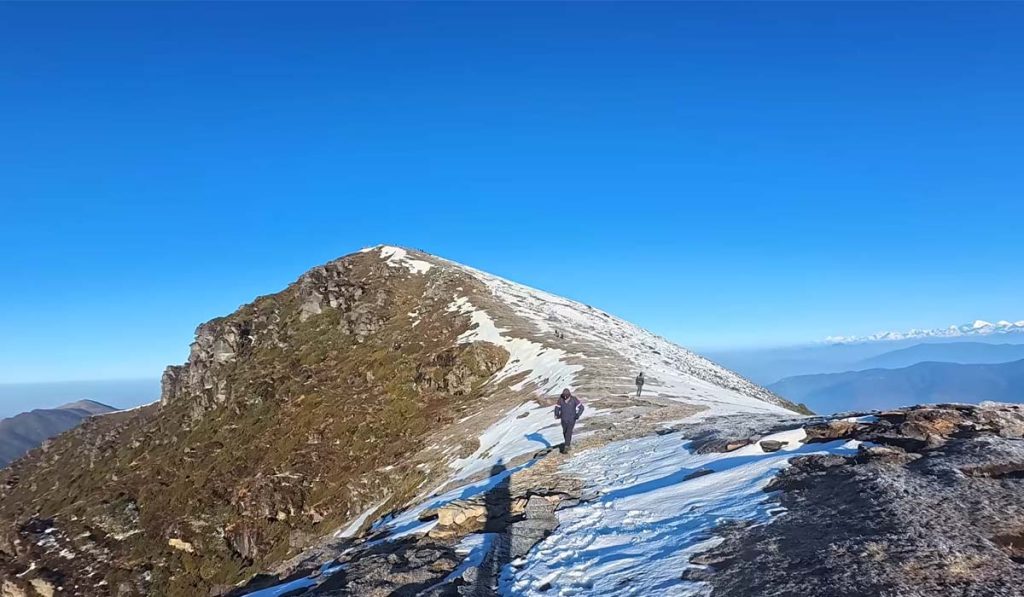
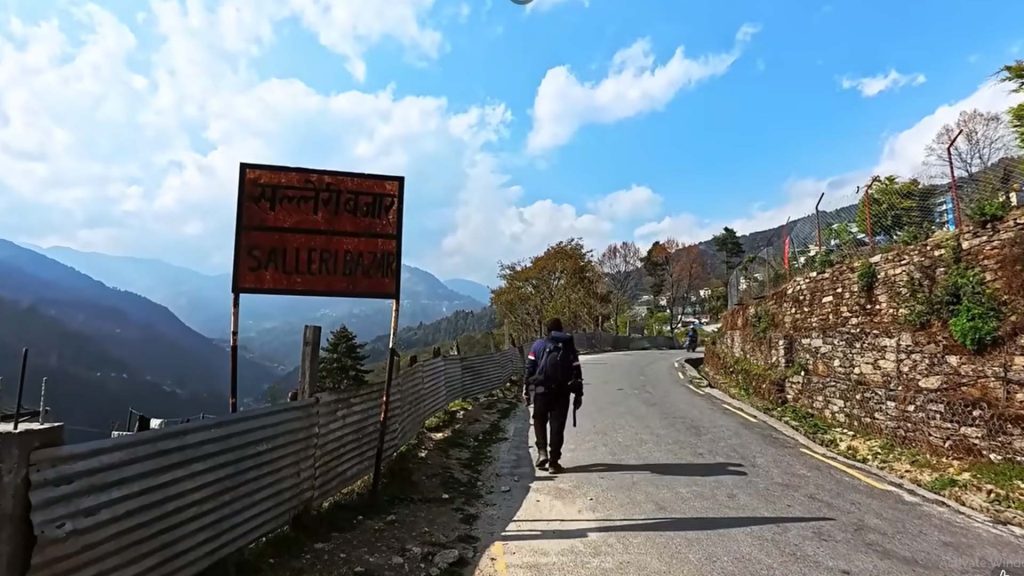
Many trekkers choose Pikey Peak because it is quieter than the Everest routes, lower in altitude, and still rich in mountain views. But before you set off, you need to understand the permits required for the Pikey Peak Trek, because this route passes through local administrative areas where paperwork matters even on a relatively less crowded trail.
Pikey Peak lies in the lower Everest region, mainly in Solukhumbu. The trek is known for wide Himalayan panoramas, Sherpa villages, old monasteries, and a sunrise view that many trekkers rate among the best in Nepal. It is not a heavily restricted trekking area, so the permit process is simpler than places like Upper Mustang or Manaslu. Still, you should not assume you can just arrive and walk without any documents.
Which permits are required for the Pikey Peak Trek?
For most trekkers, the main permit required for the Pikey Peak Trek is the Gaurishankar Conservation Area Permit, commonly called the GCAP, if your route enters through the Jiri or Shivalaya side. In some itineraries, you may also need the local Solu area entry permit, depending on the exact trail and local checkpoint practice in the section you use.
This is where many trekkers get confused. Pikey Peak has more than one approach route. Some people begin from Dhap, while others start from Jiri, Shivalaya, or nearby trailheads. Because of that, the exact permit combination can vary slightly. The route itself is not treated like a classic restricted area trek, but local and conservation checkpoints still apply.
If you start the trek from Dhap and follow the common Pikey Peak route through the Solu region, you generally need the local permit used in that area. If your itinerary includes entry through the Gaurishankar Conservation Area section, then the GCAP becomes necessary as well. This is why the best answer is not one universal permit list for every trekker, but the permit set that matches your actual starting point and route design.
Do you need a TIMS card for Pikey Peak?
In most current trekking discussions, trekkers ask whether TIMS is still required for this trek. In practice, for many Nepal treks, local area permits and conservation permits have become more relevant than TIMS, especially where local governments or trekking regions manage entry differently.
For the Pikey Peak Trek, TIMS is generally not the main permit that travelers focus on. Checkpoint enforcement can change, and permit rules in Nepal are sometimes updated or interpreted differently depending on the route administration. That is why relying on old blog posts can create problems. If you are booking through an experienced local operator, they usually confirm the latest requirements before departure and arrange what is actually being checked on the ground.
The two permits trekkers most often need
Gaurishankar Conservation Area Permit
If your Pikey Peak itinerary enters through the Jiri side or passes through the Gaurishankar Conservation Area, this permit is required. The conservation area covers a section used by some traditional approaches into the lower Everest region. Trekkers taking this route should carry the permit before reaching the relevant checkpoint.
The fee for foreign trekkers is usually around NPR 3,000, while SAARC nationals often pay a lower rate. Children may have different rules depending on age. Fees can change, so it is wise to verify the current amount before travel rather than treating any published number as permanent.
Local Solu Khumbu or rural municipality permit
On the Pikey Peak route, local entry fees may apply in the Solu region. These local permits are typically introduced and managed at the municipal or district level rather than through the older national trekking permit structure. If you start from Dhap or use the standard lower Solu route to Pikey Peak, this is often the permit that matters most.
The fee is usually modest compared with restricted-area permits, but it is still mandatory where enforced. In some cases, trekkers pay it at the entry checkpoint rather than collecting it in Kathmandu. Since local systems can change faster than guidebooks are updated, current field information matters more than outdated general advice.
Permit rules depend on your starting point
This is the part many trekkers overlook. The permits required for the Pikey Peak Trek are tied closely to how you enter the trail.
If you start from Dhap, you are usually following one of the shortest and most popular approaches. This route often avoids the need for the Gaurishankar Conservation Area Permit, but you may still need the local area permit. If you start from Jiri or Shivalaya, you are more likely to pass through the Gaurishankar Conservation Area and therefore need the GCAP in addition to any local permit.
If your trek continues beyond Pikey Peak toward Phaplu or links with other Solukhumbu villages, the permit situation usually stays manageable, but the checkpoint pattern can vary. That does not mean rules are optional. It means your itinerary should be reviewed as a whole, not just by destination name.
Where can you get the permits?
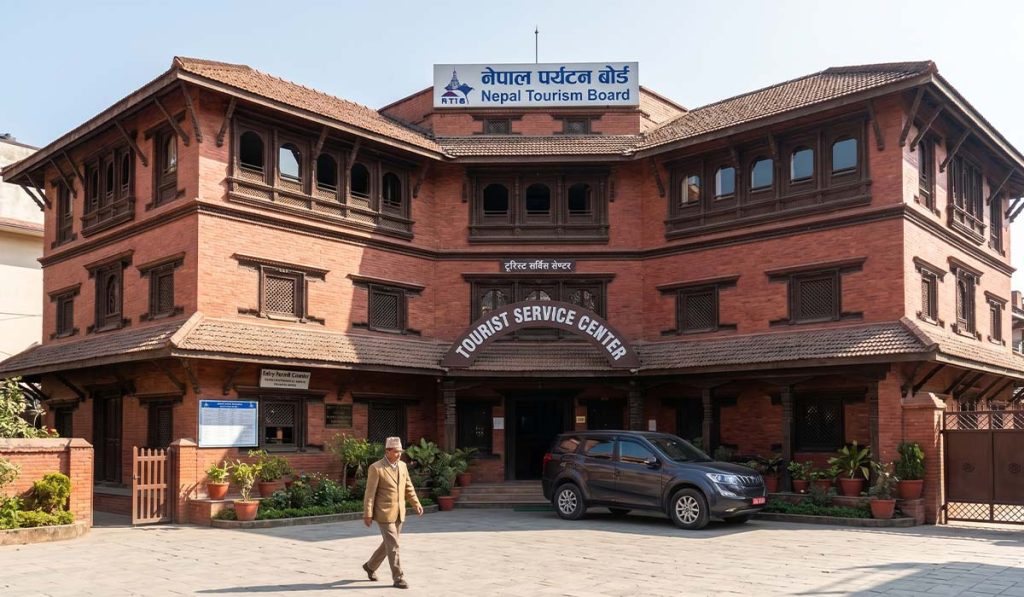
Some permits can be arranged in Kathmandu, while others are commonly issued at local entry points on the route. The Gaurishankar Conservation Area Permit is generally obtained through official tourism or conservation offices before entering the protected zone. Local permits are often paid at the relevant municipal checkpoint.
For independent trekkers, this is one reason to carry enough Nepalese cash in small denominations. Do not assume card payment will be available. Checkpoints in trekking regions are practical, not fancy. Delays happen when trekkers arrive with the wrong currency, no passport copies, or no clarity about their route.
You should also carry your original passport and a few photocopies. Even if one checkpoint is relaxed, another may be more formal. A couple of passport-sized photos can also be useful, though not every permit office will ask for them.
Do you need a guide to get the Pikey Peak permits?
Pikey Peak is not a restricted area trek, so a guide is not legally required just because of permit status in the same way it is for some controlled trekking regions. That said, having a guide or local agency can make the process easier, especially if you are unfamiliar with Nepal’s permit updates or if your route includes less straightforward entry points.
A guide also helps with the practical side beyond permits: transport to the trailhead, lodge coordination, weather judgment, and route choices in villages where signage is not always consistent. Pikey Peak is considered moderate and accessible, but good logistics still matter, particularly outside the peak autumn season.
Common mistakes trekkers make
The biggest mistake is assuming Pikey Peak needs no permit because it is less commercial than Everest Base Camp or Annapurna. Quieter trail does not mean no regulation.
The second mistake is copying another trekker’s permit list without checking whether they used the same starting point. Dhap and Jiri approaches can involve different permit needs.
The third is depending on outdated online information. Nepal trekking administration can shift over time, especially with local permit systems. A blog written several years ago may no longer reflect what is checked today.
Another common issue is focusing only on permits and ignoring road access. During monsoon or after road damage, your transport plan may change, and that can affect where you enter the trail and which permits apply.
Practical advice before you go
If you want the permit process to stay simple, finalize your route first. Do not ask about permits in isolation. Ask based on your actual plan: starting point, ending point, number of days, and whether you are linking the trek with Jiri, Phaplu, or other Solu sections.
Try to confirm the current fees shortly before departure. In Nepal, the right answer is the current one, not the one that was correct last season. If you are organizing the trek through a local company such as Himalaya Wanderer, permit checks and route-specific paperwork can usually be clarified before you leave Kathmandu, which removes a lot of uncertainty.
It is also smart to keep printed and digital copies of your passport, travel insurance, and permit receipts. Mobile signal on the route is not always dependable, and checkpoint discussions are much easier when your documents are easy to show.
Is the permit process difficult?
No, not compared with many other Nepal treks. The Pikey Peak permit process is relatively straightforward once the route is clear. There is no special restricted-area permit, no expensive group permit requirement, and no highly controlled access system like you see in Upper Mustang or Manaslu.
The real challenge is not complexity. It is accuracy. Trekkers get into trouble when they assume all Pikey Peak itineraries are treated the same. They are not.
That is why the safest approach is simple: match the permits to the trail you will actually walk, carry the right documents from the start, and treat checkpoint rules seriously. Once that part is sorted, you can focus on what makes Pikey Peak worth the journey – quiet ridgelines, welcoming villages, and one of the finest sunrise viewpoints in Nepal.