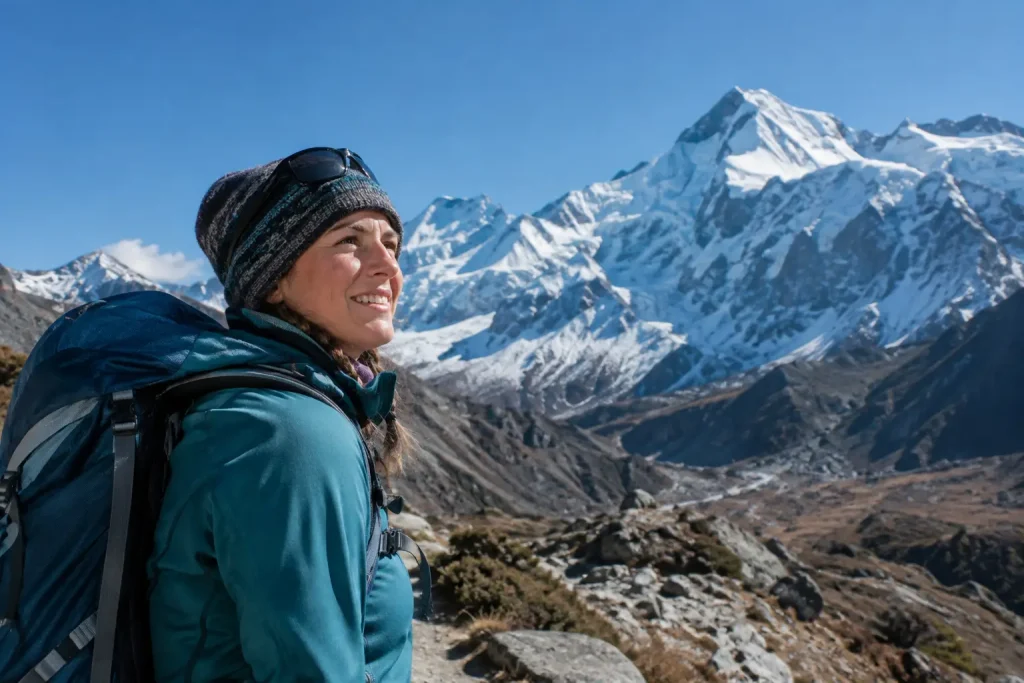
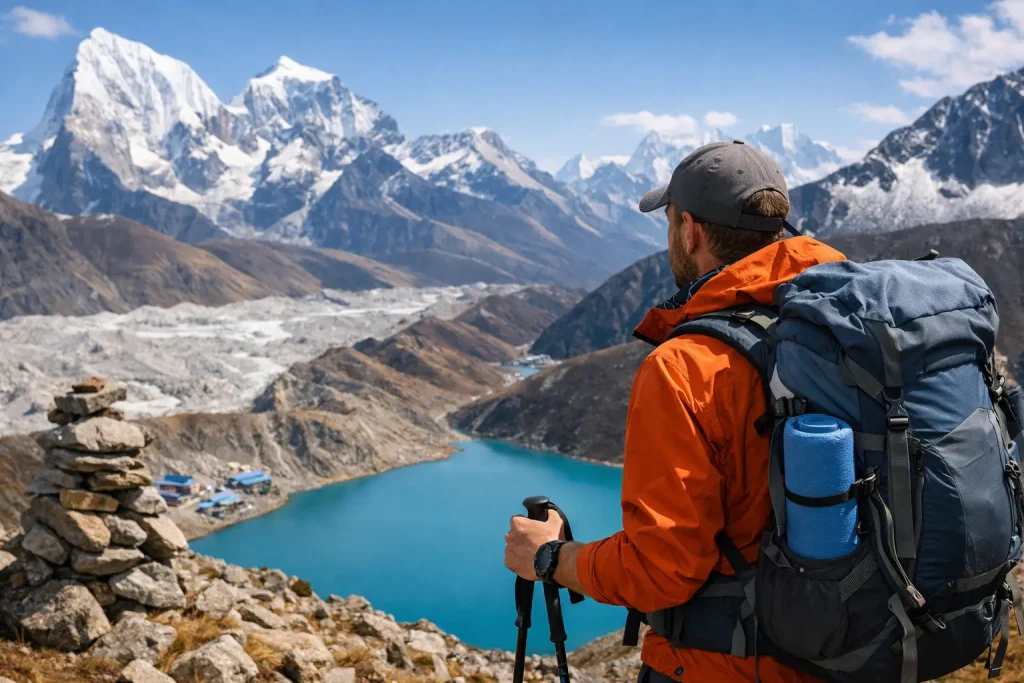
By noon in July, the trail below 2,500 meters can be slick with rain, clouds can erase mountain views, and a small stream may become the day’s hardest crossing. That does not mean trekking stops in Nepal. The best Nepal treks monsoon season options are found primarily in the Himalayan rain shadow, where high desert landscapes receive far less rainfall than the Annapurna, Langtang, and Everest foothills.
For most travelers, monsoon means June through August, often extending into early September. It is a poor fit for classic routes such as Everest Base Camp, Annapurna Base Camp, Mardi Himal, and the lower Annapurna Circuit if clear mountain views are the main goal. But it can be an excellent time for trekkers who choose the right region, accept changing transport conditions, and prepare seriously for altitude.
What Makes a Trek Suitable for Monsoon?
Nepal’s summer monsoon arrives from the south. Moist air drops most of its rain on the southern slopes of the Himalaya, while valleys north of the highest ranges receive a pronounced rain-shadow effect. This is why Upper Mustang, Nar Phu, and parts of Dolpo are the strongest monsoon choices.
A dry forecast alone is not enough. A good monsoon trek also needs a route with manageable river crossings, reliable access, clear permit requirements, and an itinerary that allows for weather delays. Even rain-shadow regions are not completely dry. The drive or flight into the trekking area may still pass through wet, landslide-prone districts.
Altitude remains the central safety concern. Several of the best summer routes climb above 4,000 meters and cross passes above 5,000 meters. Choosing a drier trail should never lead you to shorten acclimatization days.
Best Nepal Treks for Monsoon: Top Route Choices
Upper Mustang Trek
Upper Mustang is the most reliable choice for a monsoon trek in Nepal. Located north of the Annapurna and Dhaulagiri ranges, this restricted region has a dry, wind-carved landscape of ochre cliffs, cave dwellings, Tibetan Buddhist villages, and broad views toward Nilgiri and the Mustang Himal.
Most itineraries take 12 to 17 days, usually beginning with travel to Jomsom and continuing through Kagbeni to Lo Manthang at roughly 12,500 feet. The walking is not technically difficult, but the altitude, persistent wind, exposed terrain, and long daily distances require solid fitness. Lodges are available on the standard route, making logistics more straightforward than in remote camping treks.
Upper Mustang requires a restricted-area permit and trekkers must travel with a licensed Nepalese guide through an authorized agency. Permit costs are substantial compared with standard trekking regions, so it is not the cheapest monsoon option. It is, however, the best balance of dry conditions, cultural interest, established lodging, and manageable trekking infrastructure.
Nar Phu Valley Trek
Nar Phu is a strong choice for experienced trekkers who want a quieter, more demanding route within the Annapurna region. The trail enters a remote valley north of the main Annapurna Circuit, passing through narrow canyons before opening into high-altitude settlements shaped by Tibetan culture.
A typical itinerary takes 10 to 14 days, though adding rest days or continuing into the Annapurna Circuit can extend the trip. The major challenge is Kang La Pass, which rises above 17,000 feet. This is not a route to treat as a quick acclimatization shortcut. A gradual approach, a rest day in the valley, and careful monitoring for altitude illness are essential.
Nar Phu is drier than the lower Annapurna trails, but access usually begins in wetter country. Road conditions around the trailhead can change after heavy rain. Like Upper Mustang, Nar Phu is a restricted area and requires a guide and agency-arranged permit.
Lower Dolpo and Shey Phoksundo Trek
For trekkers drawn to remoteness, Lower Dolpo offers a more rugged monsoon alternative. The region sits in western Nepal’s rain shadow and is known for arid valleys, traditional villages, high passes, and the deep blue waters of Shey Phoksundo Lake. It feels considerably more isolated than Mustang.
Expect roughly 12 to 18 days depending on the route and transportation schedule. Some itineraries use basic lodges, while others require camping support. Several passes exceed 16,000 feet, and trail conditions can be rough. This trek suits hikers with previous multi-day trekking experience, good endurance, and comfort with less predictable logistics.
Flights to the Dolpo region are weather-dependent, and cancellation risk is real during monsoon. Build buffer days into both ends of the itinerary. If a delayed flight would cause you to miss an international departure, this is not the route to schedule tightly.
Upper Dolpo Trek
Upper Dolpo is one of Nepal’s great expedition-style treks, not a casual summer hike. It is exceptionally dry for Nepal, culturally distinct, and far from major roads, but it requires a long itinerary, camping logistics, high-altitude experience, and a meaningful budget.
Most routes require at least three weeks and cross multiple high passes. Trekkers should expect limited facilities, cold nights, long stretches between villages, and the need for a fully supported team. Restricted-area permits and special conservation permits apply, and rules and fees should be confirmed before booking.
For capable trekkers, Upper Dolpo can be one of the most rewarding monsoon journeys in the Himalaya. For a first Nepal trek, Upper Mustang is usually the more sensible choice.
The Annapurna Circuit to Manang
The Annapurna Circuit is not uniformly dry in monsoon, but a shortened trek to Manang can work for travelers who want a more accessible option. The lower approach through the Marsyangdi Valley is wet, humid, and susceptible to landslides. Once the route reaches the drier upper valley around Manang, conditions often improve significantly.
This option makes sense only if you have flexibility and are willing to adjust the plan around road conditions. It does not offer the consistency of Upper Mustang or Nar Phu, and crossing Thorong La in peak monsoon can be a poor decision if snow, wind, or unstable weather is forecast. Treat Manang as a possible destination rather than assuming the full circuit will be practical.
Treks That Are Usually Poor Monsoon Choices
Everest Base Camp, Gokyo Lakes, Annapurna Base Camp, Langtang Valley, Mardi Himal, and Ghorepani Poon Hill remain open in many cases, but they are not the first choices for July or August. Frequent rain creates muddy trails, leeches are common at lower elevations, and cloud cover can block the views that make these routes famous.
Everest trekking also depends heavily on flights to Lukla, where weather disruption can affect both arrival and departure. Annapurna Base Camp and Langtang can face wet trails and increased landslide exposure on approach roads. These treks can still suit travelers with flexible schedules, but they involve more compromise than the rain-shadow routes.
Monsoon Trek Planning: Permits, Transport, and Timing
Restricted areas are often the best monsoon trekking regions, which makes advance planning essential. Upper Mustang, Nar Phu, and Dolpo have different permit rules, minimum group arrangements, and guide requirements. Do not assume a standard trekking permit covers them.
Travel buffers matter more in monsoon than in October or November. Add at least two to three contingency days after your trek, especially when domestic flights are involved. Road travel can also be delayed by landslides, particularly on mountain highways leading to trailheads.
Morning is generally the best time to walk. Rain and cloud often build later in the day, while clear early hours offer safer footing and better visibility. Start early, keep each day’s plan conservative, and avoid committing to high passes if the weather is deteriorating.
Gear and Safety Priorities
Waterproof gear is necessary even in Mustang or Dolpo because the journey to and from the rain-shadow zone may be wet. A rain jacket, pack liner, quick-drying layers, trekking poles, and footwear with dependable traction are more useful than heavy waterproof boots that remain soaked for days.
Bring sun protection as well. High-altitude desert terrain can produce intense sun between showers, and UV exposure is strong above 10,000 feet. A wide-brimmed hat, sunglasses, and sunscreen belong in your pack alongside rain protection.
Altitude precautions do not change with the season. Ascend gradually, drink regularly, avoid alcohol during acclimatization, and know the warning signs of acute mountain sickness: headache with nausea, unusual fatigue, dizziness, or loss of appetite. Worsening symptoms require stopping ascent, and severe symptoms require immediate descent.
A monsoon trek rewards realistic planning more than optimism. Choose a dry valley, protect your itinerary with buffer days, and let conditions on the ground determine whether you advance, wait, or turn back.