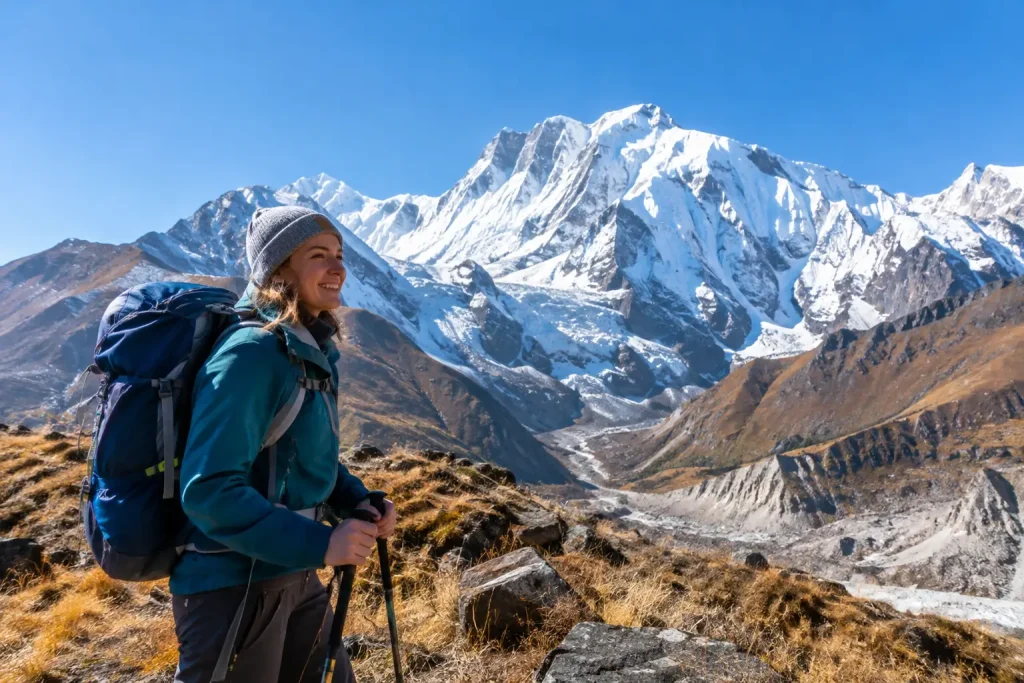
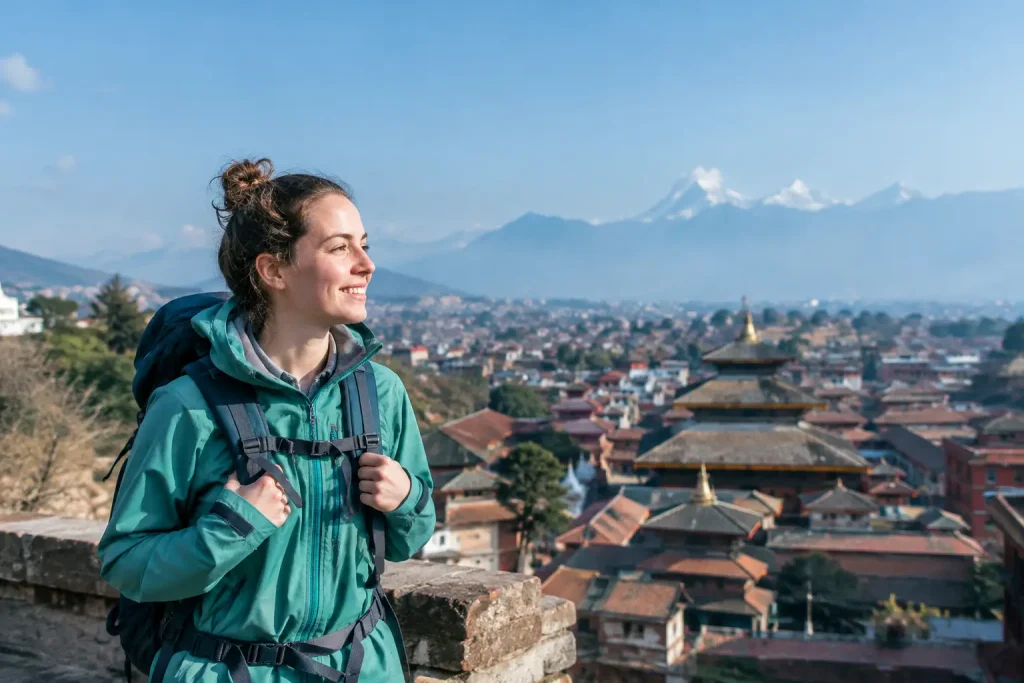
A clear view of turquoise Gokyo Lakes and Everest from Gokyo Ri is earned gradually, not by pushing hard on day one. Knowing how to prepare for Gokyo means planning for sustained uphill walking, cold mornings, basic mountain accommodation, and an altitude profile that rises above 17,000 feet. The trek is achievable for fit first-time Himalayan trekkers, but it rewards disciplined preparation more than raw athletic ability.
Understand What Makes the Gokyo Trek Demanding
The Gokyo Lakes Trek generally follows the Everest region trail from Lukla through Namche Bazaar and Dole to Machhermo and Gokyo. Most itineraries take 10 to 14 days, depending on acclimatization days, flight buffers, and whether you add Cho La Pass or continue toward Everest Base Camp.
The route is not technical climbing. You do not need ropes, crampons, or mountaineering experience for the standard Gokyo itinerary in normal trekking seasons. However, the elevation is serious. Gokyo village sits at about 15,580 feet, while the Gokyo Ri viewpoint reaches roughly 17,575 feet. At these elevations, even a modest uphill section can feel unexpectedly difficult.
Trail days commonly involve four to seven hours of walking, with long climbs, stone steps, uneven ground, and cold conditions. Your pack is lighter if you use a porter, but you still need to carry water, layers, snacks, valuables, and personal essentials. The biggest challenges are altitude, cumulative fatigue, and changing weather rather than technical terrain.
How to Prepare for Gokyo With Fitness Training
Start focused training at least eight to 12 weeks before departure. If you currently exercise infrequently, allow more time. A good training plan builds aerobic capacity, leg strength, and the ability to hike on tired legs over consecutive days.
Aim for three to four cardio sessions each week. Brisk uphill walking, stair climbing, hiking, cycling, and running can all help. The goal is not speed. Build the ability to sustain a moderate effort for several hours without needing long recovery breaks.
Add two strength sessions each week. Prioritize step-ups, squats, lunges, calf raises, deadlifts, and core exercises. Step-ups are especially useful because they closely reflect the repeated climbing found on Himalayan trails. Use a stable bench or box, progress slowly, and maintain controlled form rather than chasing heavy weights.
In the final month, complete longer hikes on consecutive days when possible. Wear the boots and socks you plan to take, and carry a loaded daypack. This exposes fit issues before the trek and trains your feet, shoulders, and knees for the routine of walking day after day.
Do not assume that living at sea level makes Gokyo unsuitable. Many trekkers arrive from low elevations and complete the route successfully. Fitness improves comfort and recovery, but it does not make you immune to altitude illness. Acclimatization remains essential for everyone.
Build an Itinerary That Protects Acclimatization
A rushed itinerary is one of the most avoidable mistakes on the Gokyo route. The standard approach is to fly to Lukla, trek to Namche Bazaar, take an acclimatization day there, then continue gradually through the higher villages. Many itineraries also include a rest or acclimatization day around Machhermo or Gokyo, depending on the route design.
The useful rule is to climb gradually and avoid treating rest days as complete inactivity. On an acclimatization day, take a short hike to a higher elevation and return to sleep lower. In Namche, trekkers often walk toward Hotel Everest View or nearby viewpoints before returning to town. This approach supports adaptation while preserving the principle of sleeping at a manageable elevation.
Leave at least two or three flexible days in Nepal beyond your trekking itinerary. Lukla flights can be delayed or canceled by weather, especially outside stable morning conditions. A buffer protects your international flight and prevents pressure to skip acclimatization or make poor decisions when conditions change.
Know the Symptoms That Require Action
Acute Mountain Sickness, often called AMS, can affect strong and experienced hikers as well as beginners. Headache is the most common early sign, particularly when combined with nausea, poor appetite, dizziness, unusual fatigue, or disturbed sleep.
Do not try to power through worsening symptoms. If you develop a persistent headache or feel unwell at altitude, stop ascending, rest, hydrate normally, and inform your guide or trekking partners. If symptoms worsen, descending is the primary response. Severe breathlessness while resting, confusion, loss of coordination, or a persistent wet cough are emergency warning signs that require immediate descent and medical help.
Talk with a travel medicine clinician before your trip about your personal health, vaccines, and whether preventive or emergency altitude medication is appropriate. Medication can be useful in specific circumstances, but it does not replace a conservative itinerary. Avoid alcohol at higher elevations, especially during the first days of ascent, and do not use sleeping pills without medical advice.
Pack for Warm Days, Freezing Mornings, and Wind
Gokyo weather can shift quickly. A sunny afternoon hike may feel warm, while early mornings at Gokyo or on Gokyo Ri can be well below freezing. Layering gives you the control to stay comfortable without carrying excessive weight.
Your clothing system should include moisture-wicking base layers, a fleece or light insulating layer, a warm down or synthetic jacket, a waterproof shell, trekking pants, thermal bottoms, gloves, a warm hat, and a sun hat. Bring broken-in waterproof hiking boots with reliable traction, plus several pairs of trekking socks. New boots are a common cause of blisters and should not make their first appearance in Nepal.
A few small items make a major difference: sunglasses with strong UV protection, sunscreen, lip balm, trekking poles, a reusable water bottle or insulated flask, a headlamp, and a basic personal first-aid kit. Trekking poles reduce strain on descents and provide stability on uneven trail sections. Pack a waterproof cover or dry bags for electronics and spare clothing.
Tea houses provide meals and basic rooms, so a sleeping bag rated for cold conditions is generally more useful than a tent. Room heating is usually limited or unavailable, and charging electronics, hot showers, and Wi-Fi often carry an extra fee. Carry enough Nepalese rupees from Kathmandu or Namche, as cash access becomes limited higher on the trail.
Choose the Right Season and Set Expectations
For most travelers, spring from March through May and fall from late September through November offer the best balance of trail conditions, services, and mountain visibility. Fall is often drier and clearer, while spring brings warmer temperatures and busier trails. Both periods can still produce cold mornings and flight disruptions.
Winter offers quieter trails and often sharp views, but temperatures can be severe and snow may complicate higher sections. Monsoon season brings rain, clouds, slippery trails, and a higher likelihood of Lukla flight delays. It can work for travelers comfortable with uncertainty, but it is not the easiest choice for a first Himalayan trek.
Gokyo Ri is usually climbed before sunrise for the best light and clearer mountain views. Plan for a very cold start, a steep ascent at high altitude, and a pace that may be much slower than expected. The summit is optional. Turning around because of weather, fatigue, or symptoms is sound mountain judgment, not a failed trek.
Arrange Permits, Insurance, and Trek Support
The Gokyo route lies within Sagarmatha National Park and requires the applicable park entry permit and local Khumbu area fee. Permit rules and collection procedures can change, so confirm current requirements before departure. Keep permit costs separate from your day-to-day trekking budget.
Purchase travel insurance that specifically covers trekking to the maximum elevation on your itinerary, emergency helicopter evacuation, medical treatment, and trip interruption. Many standard policies exclude high-altitude trekking or set an elevation cap below Gokyo Ri. Read the policy wording rather than relying on a general statement that it covers hiking.
Independent trekking can suit experienced travelers who are comfortable arranging flights, permits, accommodation, and route decisions. A guide is a sensible choice for first-time Nepal visitors, solo trekkers, or anyone who wants local support with altitude monitoring and changing logistics. A porter can reduce physical strain, but pack responsibly and keep your own daypack light. For travelers who prefer organized execution, Radiant Treks can arrange permits, guides, and a Gokyo itinerary with appropriate acclimatization built in.
Prepare carefully, then give the mountain room to set the pace. The best Gokyo trek is not the fastest one. It is the one where you arrive at the lakes healthy enough to look up, slow down, and appreciate where you are.