A lot of altitude problems in Nepal start the same way – a trekker feels strong at 9,000 feet, pushes too high too fast, and assumes fitness will carry them through. It usually does not. The best nepal trek acclimatization tips are less about toughness and more about pacing, route choice, and knowing when your body needs more time.
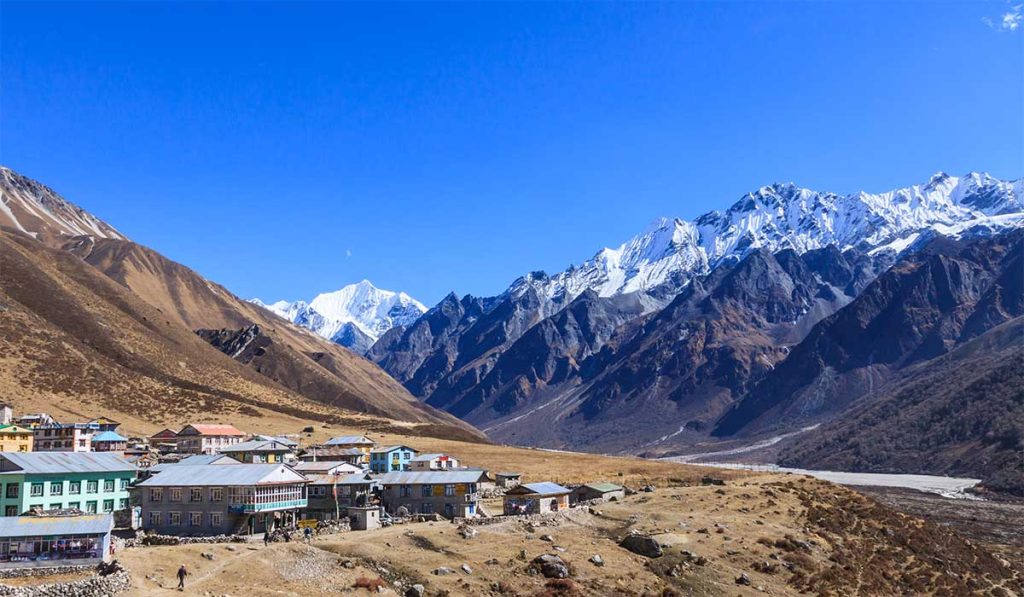
On popular routes in Nepal, altitude is often the hardest part of the trip. Not technical terrain, not daily mileage, and not cold mornings. Whether you are heading to Everest Base Camp, Gokyo, Langtang, Mardi Himal, or a high pass in the Annapurna region, acclimatization deserves as much planning as flights, permits, and gear.
Why acclimatization matters on a Nepal trek
At higher elevations, your body has less available oxygen with each breath. You cannot out-train that reality. Strong hikers often struggle because they move too aggressively, while slower and less athletic trekkers sometimes do better simply because they respect the altitude.
Acclimatization is the process of giving your body time to adjust. That adjustment is never perfectly predictable. Age, fitness, trekking experience, and attitude can influence how you handle long days, but none of them guarantee protection from altitude illness. That is why smart planning matters more than confidence.
In Nepal, many classic trekking itineraries climb above 10,000 feet and stay there for multiple days. Everest Base Camp and Gokyo routes go much higher. Even moderate treks can expose you to enough altitude for headaches, poor sleep, fatigue, appetite loss, and slower recovery. Those symptoms are not always dangerous, but they are signals that your pace and itinerary need to be taken seriously.
Nepal trek acclimatization tips that make the biggest difference
The first rule is simple: gain altitude gradually. If your trek itinerary jumps too quickly, your risk rises. A good route plan usually includes shorter ascent days at key points and at least one or two scheduled acclimatization days on higher treks. On Everest routes, for example, acclimatization days in places like Namche Bazaar and Dingboche are standard for a reason.
A second rule is to climb high, sleep lower when possible. That does not mean making every day longer and harder. It means using acclimatization hikes strategically. You might sleep in Namche but hike to a higher viewpoint during the day, then come back down to rest. That pattern helps your body adapt without forcing it to sleep too high too soon.
Hydration matters, but it is often overstated in the wrong way. Drinking water helps because dehydration can worsen fatigue and headaches, but overdrinking is not a cure for altitude. A better approach is steady hydration, normal electrolyte balance, and regular meals even when your appetite dips. If your urine is consistently dark, you are probably behind. If you are forcing excessive amounts of water, that is not helpful either.
Pacing is another major factor. Many trekkers burn too much energy in the first few days because the terrain feels manageable. On a Nepal trek, that early restraint pays off later. Walk at a conversational pace, take short breaks instead of long ones, and keep your breathing controlled on climbs. If you are gasping often, you are probably moving too fast for the elevation.
Sleep is often rough at altitude, even when acclimatization is going well. That alone is not a sign of illness. But poor sleep combined with headache, nausea, unusual fatigue, or loss of coordination deserves attention. The key is not to judge one symptom in isolation. Look at the whole picture.
Build your itinerary around altitude, not just distance
A common planning mistake is focusing on the number of trekking days without looking closely at sleeping elevation. Two itineraries can both be called 10-day treks, yet one may be much safer than the other because it spaces out altitude gain more carefully.
This is especially relevant if you are choosing between routes. Poon Hill and lower-elevation portions of Mardi Himal are usually more forgiving than Everest Base Camp or Gokyo. Langtang can be an excellent choice for trekkers who want high mountain scenery without the same extreme sleeping elevations found on Everest routes, though altitude still needs respect there.
If you are deciding between a shorter itinerary and a longer one, the longer version is often the smarter choice. Extra acclimatization time is not wasted time. It improves comfort, lowers risk, and gives you more flexibility if weather, fatigue, or minor symptoms slow the group down.
For trekkers flying into Lukla or starting another route with a quick elevation jump, the first few days matter most. That is when discipline has the highest value. It is better to finish a day feeling like you could have gone farther than to arrive drained and develop symptoms overnight.
Know the difference between normal discomfort and altitude illness
Mild altitude symptoms can include headache, light nausea, reduced appetite, poor sleep, and unusual tiredness. These are common and do not automatically mean the trek is over. But they do mean you should avoid further rapid ascent until symptoms improve.
The real danger comes when trekkers ignore progression. A headache that gets worse, vomiting, marked weakness, confusion, trouble walking straight, or shortness of breath at rest can indicate a serious problem. At that point, continuing upward is the wrong decision. Descent is the priority.
This is where guided support can matter. An experienced guide is not just there for navigation. They can monitor pace, identify concerning symptom patterns, and make conservative calls before a situation gets worse. For trekkers with limited high-altitude experience, that judgment can be as valuable as any piece of gear.
Medication, fitness, and the myths that cause trouble
One of the most useful nepal trek acclimatization tips is to stop assuming that being fit makes you altitude-proof. Cardiovascular fitness helps with effort and recovery, but it does not prevent altitude illness. In fact, fit trekkers sometimes get into trouble because they can physically move faster than their bodies can acclimatize.
Acetazolamide, often known by the brand name Diamox, can help some trekkers acclimatize more effectively, but it is not a substitute for a good itinerary. It works best as part of a broader altitude plan, not as permission to ascend too fast. If you are considering it, discuss timing, dosage, side effects, and suitability with your doctor well before the trip.
Alcohol and sleeping pills are another issue. A celebratory drink at lower elevations may not be a big deal, but at higher camps both can interfere with sleep quality, breathing, hydration, and symptom awareness. If you are already adjusting poorly, they can make the situation harder to read.
Practical habits that help day after day
The trekkers who acclimatize well usually do a few basic things consistently. They eat even when food seems unappealing, they dress in layers to avoid energy-sapping chills, and they start each morning at a measured pace instead of rushing out of the teahouse.
They also communicate honestly. That matters more than many people realize. Trekkers sometimes hide symptoms because they do not want to slow the group or miss a major destination. In Nepal, that can turn a manageable issue into a dangerous one within a day. Speak up early, especially if symptoms are changing.
It also helps to protect your margins. If you arrive in Nepal exhausted from long-haul travel, poor sleep, and back-to-back flights, your body is already under stress. Building in a buffer day before starting the trek can make the first hiking days smoother. Himalaya Wanderer regularly emphasizes this kind of practical preparation because altitude success usually starts before the trail does.
What to do if acclimatization is not going well
First, do not ascend farther while symptoms are active or worsening. Rest, hydrate normally, eat if you can, and monitor how you feel over several hours. If symptoms improve, you may be able to continue cautiously. If they do not improve, or if they worsen, descend.
There is no prize for sticking to the original itinerary when your body is clearly not adapting. Trekkers often focus on reaching base camp, a pass, or a summit viewpoint, but the smarter goal is finishing the trip safely. Missing a high point is disappointing. Pushing into a serious altitude emergency is much worse.
Rescue logistics in Nepal can be complicated by weather, terrain, communication gaps, and insurance issues. That is another reason conservative decisions matter. The easiest altitude problem to manage is the one you do not let escalate.
The best approach is simple, even if it requires patience: choose an itinerary with enough time, respect your sleeping elevation, treat early symptoms seriously, and be willing to slow down. In the Himalaya, good judgment usually feels less dramatic than ambition, but it is what gets trekkers higher and back down safely.