A lot of trekkers ask the same question after picking a route and checking flights: do you need a guide for Nepal trek plans, or can you do it independently? The honest answer is that it depends on the region, current regulations, your altitude experience, and how much uncertainty you are comfortable managing on the ground.
This is not just a budget question. In Nepal, the guide decision affects route access, permit handling, navigation, acclimatization support, emergency response, and the overall margin for error. On some treks, going without a guide may still be possible. On others, it is either restricted, impractical, or simply a poor risk trade.
Do you need a guide for Nepal trek routes?
If you want the short version, some Nepal treks can still be done with a high degree of independence, while others are better approached with guided support, and a few may effectively require it because of local rules or route conditions. That means you should stop thinking about “Nepal trekking” as one category. The right answer for Poon Hill is not always the right answer for Langtang, Gokyo, Mardi Himal, or a more remote restricted-area trek.
There are two separate issues here. The first is legal or procedural access. Trekking rules in Nepal can change, and some areas require guide support or agency processing. The second is practical safety. A route may be legally possible without a guide but still present enough altitude, weather, trail, or logistics complexity that independent trekking is not the best call for many travelers.
When a guide is the safer choice
A guide becomes much more valuable once a trek includes meaningful altitude, route ambiguity, long distances between services, or changing mountain weather. Nepal is not technically difficult on most standard teahouse routes, but altitude makes ordinary decisions more serious. A wrong pace, poor hydration strategy, or a bad call about when to ascend can turn a manageable trek into an evacuation.
This matters most for first-time Himalayan trekkers. If you have never been above 13,000 feet, it is easy to underestimate how different the body behaves. You may be fit at home and still struggle with sleep, appetite, headaches, or unusual fatigue. A competent guide cannot eliminate altitude illness, but they can spot patterns early, slow the itinerary, and make conservative decisions before a situation gets worse.
Navigation is another factor. On popular trails, the path often seems straightforward until weather shifts, side trails branch off, or a damaged section forces a reroute. In shoulder season, poor visibility can make even well-known routes less obvious. If you are trekking solo, every small uncertainty falls on you. With a guide, those decisions are faster and usually better informed.
Then there is the cumulative strain of logistics. Teahouse availability, transport delays, permit checks, changing local conditions, and baggage management all take mental bandwidth. Many trekkers are capable of handling this, but not everyone wants to spend a high-altitude trip solving operational problems every day.
When you might not need a guide
Some travelers can reasonably trek independently in Nepal, especially on established teahouse routes with clear infrastructure and regular foot traffic. If you have prior multi-day trekking experience, understand altitude protocols, are comfortable navigating basic trail systems, and have built contingency time into your itinerary, independent trekking may still work well on the right route.
This is often the case for trekkers who value flexibility above all else. Without a guide, you can adjust your pace, stay longer in a village you like, or turn around without worrying about staff schedules. Independent trekking can also reduce total cost, which matters for longer itineraries.
But this only works if you are realistic about your own competence. Plenty of hikers are strong on day hikes and still inexperienced in mountain travel that combines altitude, remote infrastructure, and international logistics. If your experience is mostly low-elevation national park trails in the US, that does not automatically translate to independent trekking judgment in Nepal.
Route matters more than confidence
The question is not whether you are adventurous. It is whether your chosen trek gives you much room to recover from mistakes.
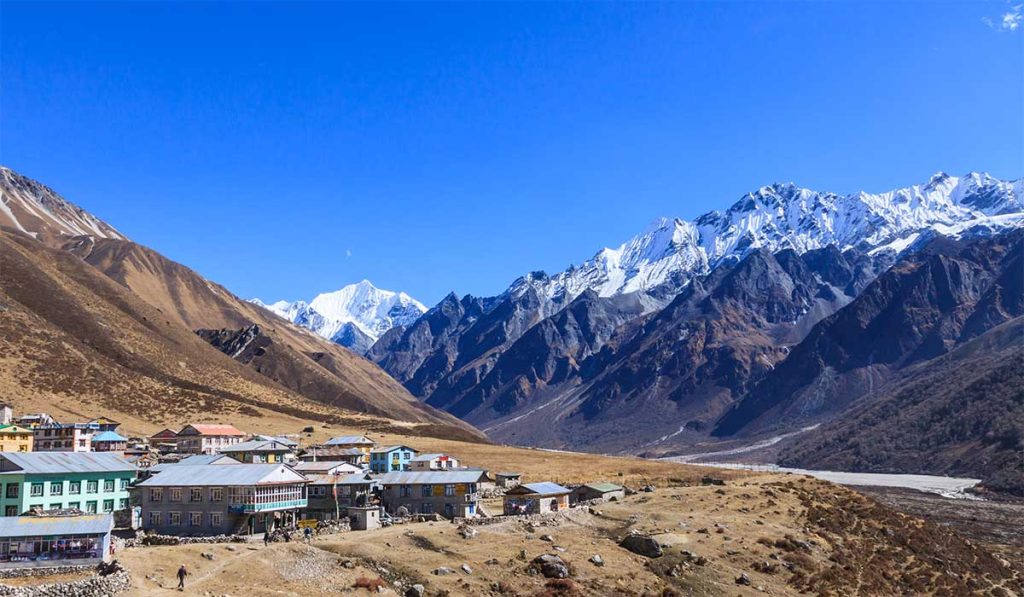
On shorter, lower, and more established routes such as Poon Hill, some travelers do fine independently if regulations allow and they prepare properly. On routes like Mardi Himal, the trail is popular but weather and visibility can change the feel of the trek quickly, especially higher up. On Langtang, the route is generally straightforward, but altitude and remoteness still matter. On Gokyo Lakes or routes in the Everest region, you are dealing with more altitude exposure and a narrower safety margin.
Restricted-area treks are different again. In those cases, guide arrangements are often tied directly to permits and route access. Even if you prefer to trek alone, the administrative framework may not allow it.
That is why broad advice can be misleading. A person asking whether they need a guide for Nepal trek planning should always attach that question to a specific route and season.
Cost versus value
It is easy to look at guide fees and see only an added expense. A better way to frame it is risk management and trip efficiency.
A guide can help prevent avoidable itinerary errors, reduce transport confusion, smooth teahouse coordination, and improve safety decisions at altitude. If something goes wrong, language ability and local knowledge matter immediately, not abstractly. In a country where mountain conditions, road access, and domestic flight schedules can shift fast, local support has practical value.
That does not mean everyone needs full-service support. Some trekkers want only a guide. Others want a porter-guide combination because saving energy each day improves acclimatization and overall performance. For longer or higher treks, that can be a smart trade rather than a luxury.
How to decide if you need a guide
Ask yourself four things.
First, how much altitude experience do you have above 10,000 to 12,000 feet? If the answer is none, guided support becomes more attractive.
Second, how comfortable are you making conservative decisions when your body feels off? Many trekkers push too hard because they do not want to disrupt the plan.
Third, how complex is your route? A classic teahouse trail in peak season is different from a remote valley, a pass crossing, or a shoulder-season itinerary.
Fourth, what happens if transport changes, weather closes in, or you need medical help? If your answer is basically “I will figure it out,” you may be underestimating how much local systems matter in Nepal.
What a good guide actually does
A strong guide is not just someone who walks ahead on the trail. They manage pacing, watch for altitude symptoms, coordinate lodges, interpret local conditions, handle permit checkpoints, and adapt plans when the mountain does not cooperate.
That last part matters. Trekkers often imagine the main benefit is convenience. In reality, the best guides improve judgment under pressure. They know when a headache looks routine and when it suggests a descent. They know whether clouds are likely to burn off or whether the day is already turning. They know which itinerary shortcuts are harmless and which ones create altitude problems two days later.
If you hire a guide, choose carefully. Experience on your specific route, communication skills, and a conservative safety approach matter more than a low price.
Independent does not mean unprepared
If you decide not to use a guide, preparation has to be tighter. You should understand the altitude profile day by day, know where acclimatization risk increases, carry the right insurance, and leave extra time for delays. You should also track current permit rules close to departure, because Nepal trekking requirements do change.
This is where many travelers go wrong. They assume that if a trek is popular, it is simple. Popular routes can still become serious when weather turns, when a flight is canceled, or when mild altitude symptoms are ignored.
For trekkers who want support without giving up decision-making, a middle path often works well. You can use a guide for a higher or more complex route while trekking independently on an easier future trip. Many people find that one guided Nepal trek gives them the practical baseline to assess later trips more confidently.
Himalaya Wanderer generally encourages trekkers to make this decision based on route demands rather than pride. The best Nepal trek is not the one that proves you needed the least help. It is the one you complete safely, with enough margin to enjoy where you are.
If you are still unsure, use a simple rule: the more altitude, remoteness, regulation, and uncertainty your trek involves, the stronger the case for a guide. In Nepal, good judgment is part of the gear list.