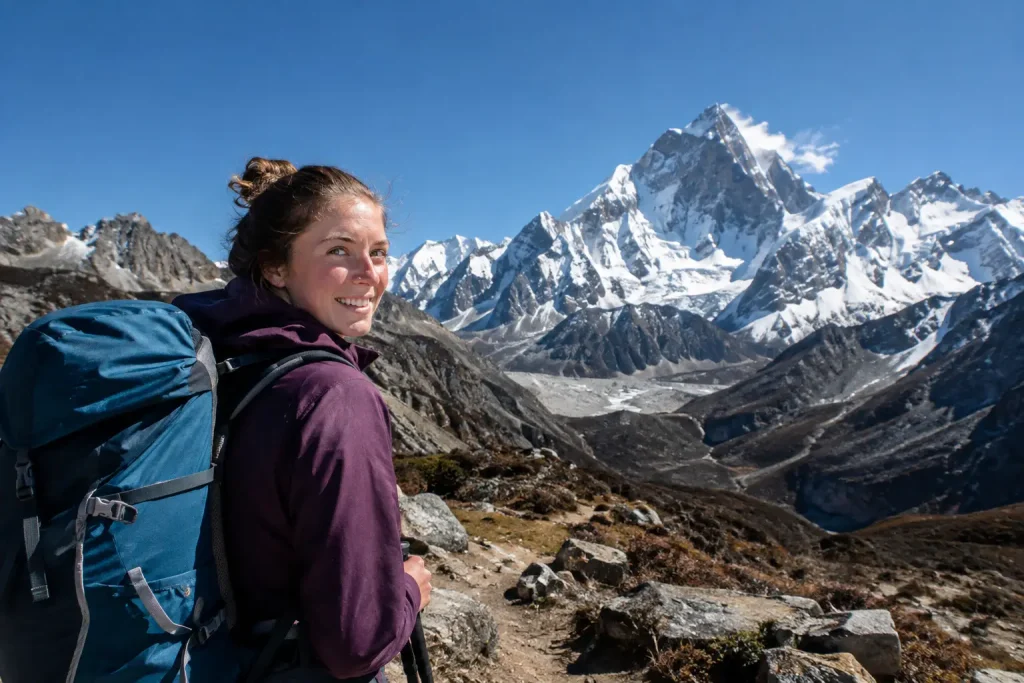
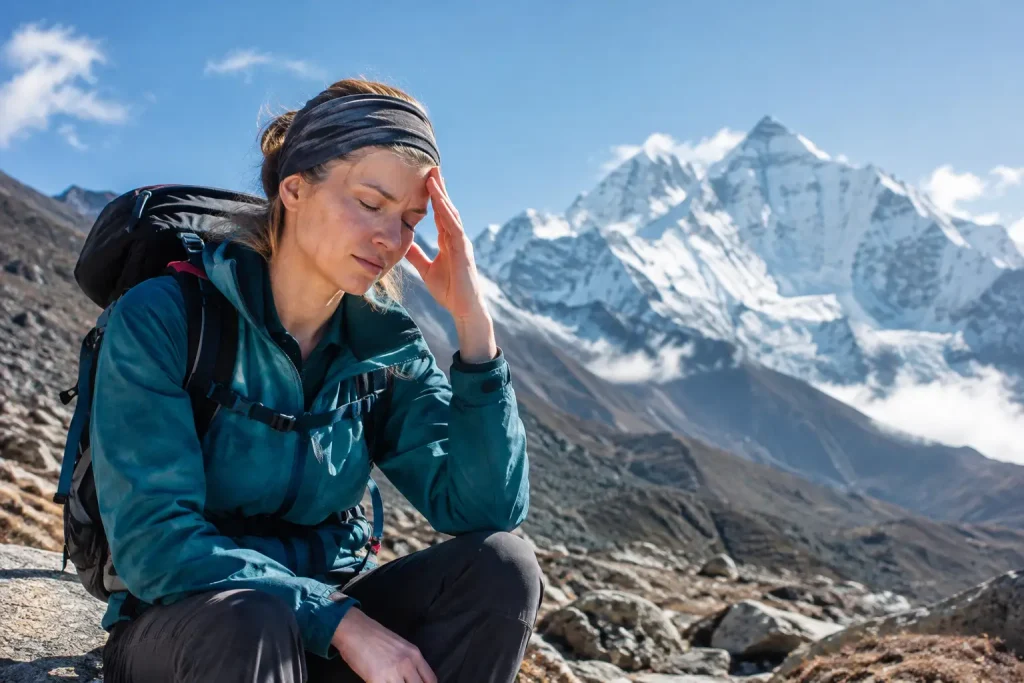
The short answer to “can beginners do Langtang Trek” is yes, provided beginner means new to multi-day trekking, not unprepared for sustained uphill walking at altitude. Langtang is one of Nepal’s more achievable Himalayan treks, with established trails, regular teahouses, and a moderate overall duration. But it still reaches high elevations, and the combination of altitude, steep ascents, cold mornings, and several consecutive walking days deserves serious preparation.
For a first Himalayan trek, Langtang can be an excellent choice. The key is to assess your fitness honestly, follow a sensible itinerary, and understand that turning back is always the right decision if altitude symptoms become concerning.
Why Langtang Trek Works for Many Beginners
The standard Langtang Valley Trek usually takes seven to 10 days, depending on the itinerary and whether you add Kyanjin Ri or Tserko Ri. The route begins after a long drive from Kathmandu and follows the Langtang Khola through forest and mountain villages before opening into a wide, glacial valley.
Unlike the Everest region, there is no flight to manage, and unlike longer Annapurna routes, the core Langtang itinerary does not require two weeks of walking. Teahouses are available along the main trail, so trekkers generally do not need to carry camping equipment, food supplies, or a heavy expedition pack.
Those advantages matter for beginners. They let you focus on walking, hydration, recovery, and acclimatization rather than complicated backcountry logistics. However, simple logistics do not make it a low-altitude hike. Kyanjin Gompa sits at about 12,500 feet (3,800 meters), while popular viewpoints climb well above 14,000 feet (4,300 meters).
The Main Challenge Is Altitude, Not Technical Terrain
Langtang Trek does not require mountaineering skills. There are no glaciers to cross on the standard route, no ropes, and no technical climbing. Most of the trail is well traveled, although it can be rocky, uneven, muddy after rain, or slippery in snow.
Altitude is the factor that changes the equation for beginners. Above roughly 8,000 feet (2,500 meters), your body has less oxygen available. Fitness helps you walk more comfortably, but it does not make you immune to acute mountain sickness.
Common mild symptoms include headache, poor appetite, nausea, unusual fatigue, dizziness, and poor sleep. A headache that improves with rest, fluids, and no further ascent may be manageable, but worsening symptoms should never be pushed through. Confusion, loss of coordination, severe breathlessness at rest, or a persistent wet cough require immediate descent and medical attention.
A beginner who respects acclimatization is usually safer than a strong hiker who rushes uphill to keep a tight schedule.
How High Does the Route Go?
The overnight high point on the standard itinerary is typically Kyanjin Gompa. From there, many trekkers take a day hike to Kyanjin Ri or Tserko Ri for broad views of Langtang Lirung and surrounding peaks. These hikes are optional, but they are strenuous because of their elevation and steepness.
You do not need to reach the highest viewpoint to have a successful trek. Kyanjin Ri has lower and higher viewpoints, and even a shorter walk above the village can deliver impressive mountain views. Beginners should treat summit-style side hikes as flexible goals, not obligations.
Fitness Needed for a Beginner Langtang Trek
You do not need to be a marathon runner, but you should be able to walk for five to seven hours on consecutive days with a daypack. On the tougher sections, especially from Lama Hotel toward Langtang Village and Kyanjin Gompa, expect sustained climbing and uneven stone steps.
A reasonable benchmark is being able to complete a six-mile hike with 1,500 to 2,000 feet of elevation gain without feeling completely depleted the next day. If you live somewhere flat, use a stair machine, treadmill incline, stadium stairs, or a weighted pack on local hills.
Start training at least eight to 12 weeks before departure if you are currently not hiking regularly. Build walking volume gradually, then add elevation and a pack. Include basic leg and core strength work such as step-ups, lunges, squats, calf raises, and loaded carries. The goal is not to train like an elite athlete. It is to arrive with enough reserve energy to walk slowly, recover well, and make sound decisions at altitude.
Choose an Itinerary That Gives You Margin
The fastest Langtang itineraries can look attractive, especially for travelers with limited vacation time. For beginners, they often remove the flexibility that makes altitude travel safer.
A more conservative plan allows eight or nine trekking days, including at least one acclimatization day in Kyanjin Gompa. That day can include a short ascent followed by a return to sleep lower, which supports acclimatization. It also gives you room for weather delays, fatigue, or a slower-than-expected pace.
Avoid plans that go directly from Kathmandu to Kyanjin Gompa in only a few days. The route may be physically possible, but the risk is not worth the time saved. A good itinerary should feel slightly unhurried on paper.
Pace Matters More Than Keeping Up
On a group trek, beginners sometimes overexert themselves trying to match faster hikers. This is a poor trade-off at altitude. Walk at a pace where you can speak in short sentences, take regular breaks, and eat before you become exhausted.
A guide can help set a sensible pace and monitor symptoms, but you should still communicate clearly if you feel unwell. Do not hide a headache or nausea because you do not want to slow the group. Early reporting gives your guide more options.
Best Season for First-Time Trekkers
For most beginners, spring from March to May and fall from late September to November offer the most reliable conditions. Days are generally clearer, trails are busy but social, and teahouses are fully operating. Spring brings rhododendrons at lower elevations, while fall often has the clearest mountain visibility.
Winter trekking is possible, but cold temperatures, snow, and icy trail sections make it less forgiving. Monsoon season brings rain, leeches in lower forests, cloud cover, and possible road disruption on the route from Kathmandu. Experienced hikers may accept those conditions for quieter trails, but they add variables that first-time Himalayan trekkers usually do not need.
Gear and Packing Considerations
Teahouse trekking lets you keep your pack relatively light. If you hire a porter, you still need a small daypack for water, layers, snacks, sun protection, medications, and valuables. A heavy pack can turn a manageable beginner trek into an exhausting one.
Bring broken-in hiking boots with solid traction, warm layers for early mornings and evenings, a waterproof shell, gloves, a warm hat, sunglasses, and a reusable water bottle or hydration system. Temperatures can change quickly between sunny trails and shaded valleys. Trekking poles are particularly useful for beginners on steep descents, where tired legs and loose stones raise the chance of a slip.
Do not rely on buying every essential item in the mountains. Teahouses sell basic supplies, but selection narrows as you go higher and prices increase.
Should Beginners Hire a Guide or Porter?
Independent trekking is possible on Langtang’s main trail, but guided support can be a practical choice for first-time visitors to Nepal. A licensed guide helps with route pacing, accommodation, communication at teahouses, daily trail decisions, and recognizing when symptoms require rest or descent. They also reduce the mental workload of navigating unfamiliar logistics.
A porter is optional, not a sign that you are incapable. For beginners, carrying less weight can preserve energy for the part of the trek that matters most: walking safely at altitude. If you arrange support through an operator such as Radiant Treks, confirm the itinerary, guide qualifications, porter welfare standards, insurance expectations, and what happens if someone needs to descend early.
When Langtang May Not Be the Right First Trek
Langtang is not automatically suitable for every beginner. Consider a lower-elevation trek first if you have uncontrolled heart or lung conditions, recent major injury, severe mobility limitations, or no opportunity to train before travel. Speak with a qualified medical professional if you have health concerns, especially before traveling above 10,000 feet.
It may also be a poor fit if your schedule only allows a rushed itinerary. Altitude travel requires flexibility. Travel insurance with emergency evacuation coverage is strongly recommended, and you should understand its altitude limits and medical exclusions before leaving home.
The Langtang Trek rewards beginners who prepare rather than beginners who simply hope for the best. Train for consecutive uphill days, choose a slower itinerary, listen to your body, and let the views from Kyanjin Valley be the goal rather than a race to the highest point.