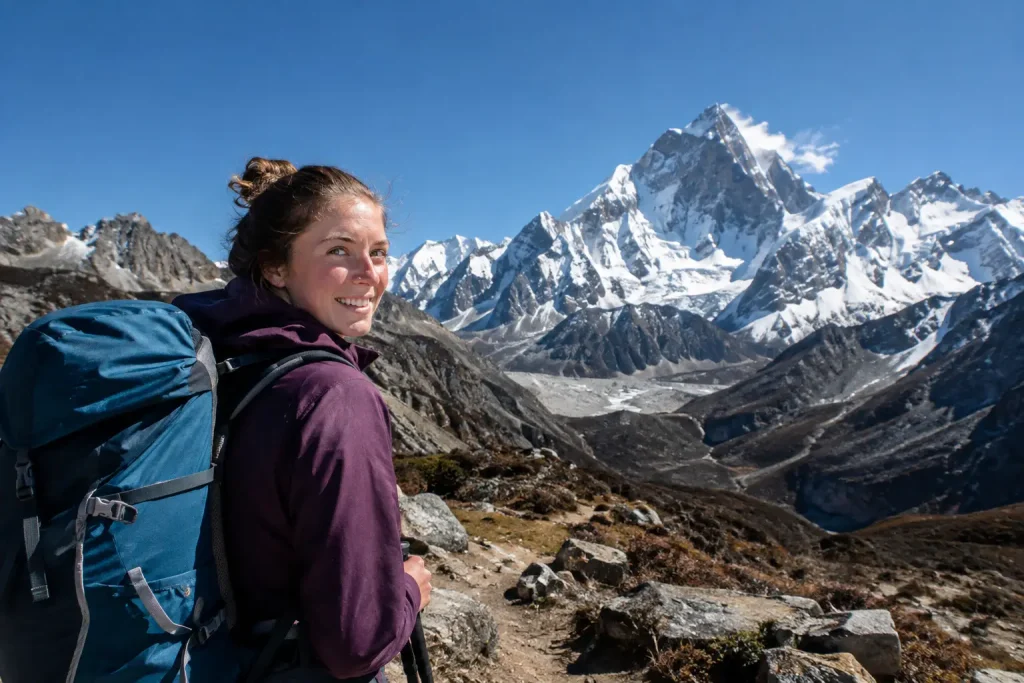
A guided trek vs independent trekking decision is not simply about whether you enjoy company on the trail. In Nepal, it affects how you manage altitude symptoms, arrange permits and transport, respond to bad weather, and keep a multi-day itinerary on track when plans change. The right choice depends on your prior mountain experience, the route, the season, and how much responsibility you want to carry before and during the trek.
For many first-time Himalayan trekkers, guided support is a practical safety decision rather than a luxury. For experienced hikers on well-established routes, a more independent approach can offer flexibility and lower daily costs. Both options can lead to an outstanding trek, provided the planning matches the terrain.
Guided Trek vs Independent Trekking: What Changes?
A guided trek usually includes a licensed guide who handles route decisions, daily pacing, accommodation coordination, and local logistics. Depending on the arrangement, the trip may also include a porter, private transportation, permits, meals, and airport support. You still walk the trail yourself, but you are not alone in managing the operational details.
Independent trekking means organizing the trip personally. You choose your lodges, carry your own gear or hire a porter separately, navigate using maps or apps, arrange transport, and make your own decisions when weather, illness, or trail conditions disrupt the plan. On popular tea-house routes, this is often feasible for capable trekkers, but it requires more preparation than hiking independently in a US national park.
There is also a middle ground. Some trekkers book a guide and keep the itinerary simple, while others use an agency only for permits, transportation, and a porter. This can work well for travelers who want local support without a fully packaged itinerary.
Safety and Altitude Support
Altitude is the strongest reason to consider a guide on a Nepal trek. Routes such as Gokyo Lakes, Everest Base Camp, Langtang, and higher extensions from Mardi Himal can take you well above 10,000 feet, with some overnight stops above 15,000 feet. Acute mountain sickness can affect fit, experienced hikers as easily as beginners.
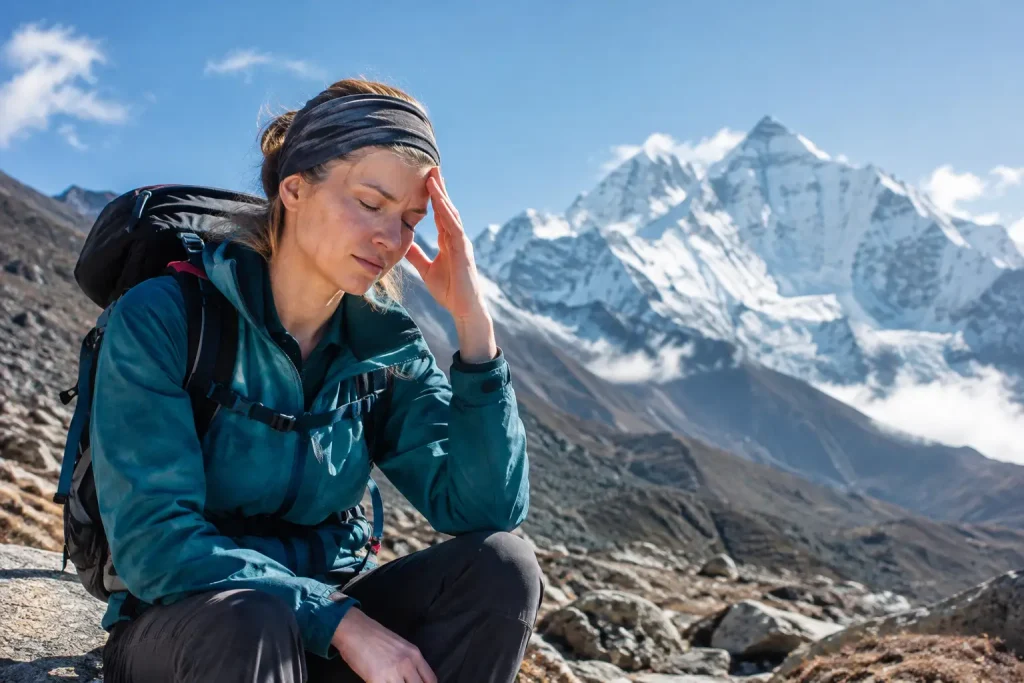
A good guide does not make altitude safe by default. Proper acclimatization, conservative ascent rates, hydration, nutrition, and a willingness to descend remain essential. What a guide can provide is experienced observation. They may recognize a worsening headache, unusual fatigue, poor coordination, or breathlessness before a trekker accepts that the symptoms are serious.
Independent trekkers need a clear altitude plan before leaving Kathmandu. Know the planned sleeping elevations, build rest or acclimatization days into the itinerary, understand when symptoms require stopping or descending, and carry insurance that covers helicopter evacuation where applicable. Do not rely on a phone signal or another trekker appearing at the right moment.
Emergency Decisions Are Easier With Local Support
When a trekker becomes ill, the decision to descend can be complicated by sunk costs, group pressure, weather, and an ambitious itinerary. A guide can help arrange a horse, porter support, lodge coordination, or evacuation communication. They also understand which villages have clinics, where weather commonly delays flights, and what alternative routes may be realistic.
That support matters most on remote or high routes, during shoulder seasons, and for travelers without previous high-altitude experience. It matters less on a short, lower-elevation route such as Poon Hill in stable weather, although even there, a guide can reduce logistical stress.
Permits, Rules, and Local Logistics
Nepal trekking regulations can vary by region, protected area, and local authority. Requirements concerning guides, permits, trekking cards, and restricted areas also change over time. Do not assume that a trip report from several years ago reflects current rules.
A guided operator handles this work and is responsible for confirming the requirements that apply to your route. For independent trekkers, permit administration can involve offices, paperwork, passport copies, photos, payment methods, and limited opening hours. A missed document can cost a day in Kathmandu or force a last-minute itinerary change.
Logistics continue after the permit is issued. Domestic flights to mountain airports can be delayed or canceled by weather. Road access to trailheads can be affected by landslides, construction, or seasonal conditions. Lodges on busy routes may be full during peak season, particularly in the Everest and Annapurna regions.
An independent trekker should keep buffer days at both ends of the trip and carry enough cash for food, lodging, charging, hot showers, and unexpected transportation. A guide cannot control the weather, but they can make alternatives easier to arrange.
Cost: What Are You Actually Paying For?
Independent trekking is usually less expensive on paper because you are not paying a guide’s daily wage, insurance, meals, accommodation, and agency margin. On tea-house treks, daily spending can remain manageable if you choose simple lodges, eat local meals, and carry only what you need.
However, the lowest advertised cost is not always the most useful comparison. A guided trip may include permits, transportation, guide and porter insurance, accommodation coordination, and contingency support. Independent travelers must price those items separately, along with extra nights caused by weather delays or itinerary changes.
A guide can also help prevent costly mistakes, such as arriving at a closed trailhead, booking an unrealistic flight connection, or continuing higher when a descent is needed. That does not mean every trek requires a guide. It means the value calculation should include risk management and time, not only the daily rate.
When comparing guided quotes, ask what is included and what is not. Clarify permits, flights or road transfers, guide and porter insurance, accommodation, meals, tips, emergency arrangements, and whether the itinerary includes acclimatization days. The cheapest package may leave important costs outside the quote.
Navigation, Pace, and Trail Confidence
Major Nepal routes are often easy to follow in good conditions, especially where there is regular lodge traffic. Yet fog, snowfall, landslides, side trails, river crossings, and fatigue can make familiar paths less obvious. On routes with long exposed sections or fewer villages, navigation carries more consequence.
A guide sets a sensible pace and knows when a short-looking day is harder than it appears. They can adjust for weather, road delays, crowded lodging, and the energy level of the group. This is useful for trekkers who want to focus on walking rather than calculating every decision.
Independent trekking gives you greater freedom to stop for an extra night, start early, take a side trip, or change your route. That freedom works best when you are comfortable reading terrain, managing time, and accepting that your preferred lodge or schedule may not be available. In peak season, flexibility sometimes means walking farther than planned to find a bed.
Who Should Choose a Guided Trek?
A guided trek is generally the stronger option for first-time visitors to Nepal, first-time high-altitude trekkers, solo travelers who prefer dependable support, and anyone attempting a remote, high, or technically demanding route. It is also sensible when your trip has limited vacation days and you cannot afford to lose time solving permits or transportation problems.
Choose carefully. A qualified guide should be licensed, insured, familiar with the route, and willing to discuss acclimatization and emergency procedures plainly. Avoid an operator that promises to push every client to a summit or destination regardless of symptoms. In the Himalaya, turning around can be the correct decision.
For travelers who want operational help without surrendering all independence, a local guide arranged through a Nepal specialist such as Radiant Treks can provide a practical balance of route knowledge, permit support, and day-to-day flexibility.
Who Can Trek Independently?
Independent trekking may suit travelers who have completed multi-day hikes, understand altitude illness, can navigate confidently, and have enough schedule flexibility for delays. It is best approached on established tea-house routes in favorable weather, with conservative elevation planning and a backup fund.
Before going without a guide, be honest about the difference between being a strong day hiker and being self-sufficient for ten days at altitude. Fitness helps, but it does not replace judgment, acclimatization knowledge, or logistical readiness. A detailed route plan, offline maps, emergency contacts, first-aid skills, and comprehensive insurance are baseline preparation, not optional extras.
The most satisfying Nepal trek is usually the one that leaves enough margin for weather, altitude, and the unexpected. Choose the level of support that lets you make careful decisions when the mountains refuse to follow the plan.