A good custom Nepal trekking itinerary starts with one uncomfortable question: what are you actually trying to get out of this trip? Many trekkers begin with a famous route name, then try to force their schedule, fitness, and altitude tolerance around it. That is usually backward. In Nepal, the strongest itinerary is not the one that looks most impressive on paper. It is the one that matches your available days, your experience at altitude, your walking pace, and the kind of mountain experience you want to have.
That matters because Nepal trekking is not just about distance. Altitude, transportation delays, weather windows, rest days, and route structure all shape how a trip feels on the ground. Two trekkers with the same number of days can need very different plans.
What a custom Nepal trekking itinerary should solve
A personalized itinerary should answer five practical questions before you ever book flights. First, how many days can you realistically spend in Nepal, not just on the trail? Second, what is your ceiling for altitude and daily effort? Third, do you want a teahouse trek with straightforward logistics, or a more remote route with less flexibility? Fourth, what season are you traveling in? And fifth, how much buffer do you need for delays and acclimatization?
If those points are not clear, customization often becomes guesswork. Many itineraries look fine until you factor in a late domestic flight, a hard gain in sleeping altitude, or a return schedule with no margin for disruption. A useful plan reduces those weak points instead of hiding them.
Start with days, not dreams
The biggest planning mistake is choosing a trek first and trying to squeeze it into the calendar later. A better approach is to set your total Nepal days, then narrow your route options from there.
If you have 7 to 9 days in country, your realistic focus is usually on shorter treks such as Poon Hill, Mardi Himal, or Pikey Peak. These can still deliver major Himalayan views without forcing a rushed altitude profile. If you have 10 to 14 days, you open the door to routes like Langtang Valley or a fuller Gokyo-focused plan depending on pacing and access. With 15 or more days, your custom Nepal trekking itinerary can include extra acclimatization, side trips, or a more ambitious circuit-style structure.
This is where honesty helps. If your trip includes long-haul travel from the US, arrival fatigue is real. So are weather delays on mountain flights and rough road travel on certain access routes. A fourteen-day vacation does not always equal fourteen useful trekking days.
Choose the right route for your actual trekking profile
A route should fit more than your bucket list. It should fit your tolerance for altitude, your comfort with long days, and the kind of terrain you enjoy.
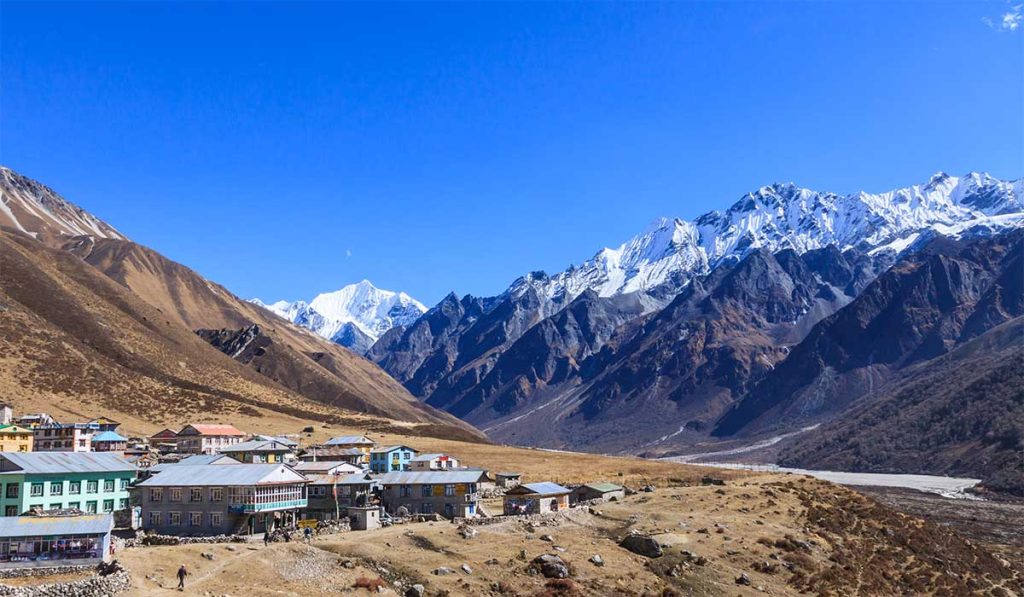
For first-time Nepal trekkers, the sweet spot is often a route that balances scenery, access, and moderate complexity. Mardi Himal works well for travelers who want a short, high-reward trek with lodge support and manageable logistics. Poon Hill suits those who want lower altitude exposure and a gentler introduction. Langtang is often a strong middle ground for trekkers who want a more immersive valley trek without the flight dependency of some Everest-region plans.
More experienced hikers may want longer walking days, higher sleeping altitudes, or combinations of classic areas. But that does not mean harder is automatically better. A custom route should reflect what you can recover from day after day. In Nepal, the challenge compounds. What feels manageable on day two may feel very different above 12,000 feet after several nights on trail.
Build around acclimatization, not just mileage
This is where many standard itineraries fall short. They often treat altitude as a note rather than the framework.
A smart itinerary controls how quickly you gain sleeping elevation and places acclimatization where it will matter most. That may mean an extra night in a village that is not especially dramatic but gives your body time to adjust. It may also mean skipping a side trip if it adds fatigue before a key ascent.
There is no single safe number that works for everyone, because altitude response varies. Still, the principle is simple: if the trek goes high, your schedule should include enough time to adapt, especially once you are sleeping above roughly 10,000 feet. Faster is not more efficient if it increases the risk of altitude illness or forces an early descent.
For some travelers, customization means dialing ambition down. For others, it means adding one day that protects the entire trip.
A custom Nepal trekking itinerary also depends on season
The same route can feel very different in October, December, or late April. Seasonal fit is not just about mountain views. It changes trail conditions, crowd levels, temperature, transport reliability, and how demanding each day feels.
In the main fall season, conditions are often clearer and more stable, but popular trails can be busy. In spring, rhododendron forests can be excellent and temperatures can be comfortable, though haze and afternoon cloud are more common in some areas. Winter can be rewarding on lower and mid-altitude treks, but higher passes and cold overnight conditions may narrow your options. Monsoon season usually pushes trekkers toward rain-shadow regions or lower-commitment plans.
This is one reason customization matters. A route that is ideal in peak fall may not be the best match for a summer traveler, a winter beginner, or someone with a low tolerance for cold nights.
Factor in logistics early
In Nepal, logistics are part of the itinerary, not separate from it. Transportation to and from the trailhead can affect risk, timing, and comfort as much as the trek itself.
Some regions depend on domestic flights that are efficient when they run on time but vulnerable to weather disruption. Other routes use long jeep transfers, which may be slower and less glamorous but sometimes more predictable. Neither is universally better. It depends on your schedule and how much flexibility you have on the back end.
Permits also need to fit the route exactly. So do guide requirements, park entry rules, and checkpoint procedures. If you are combining regions or adjusting a standard route, the permit side should be checked carefully. The same goes for insurance, especially if your plan includes higher elevations where evacuation coverage matters.
For many trekkers, this is the point where outside support becomes useful. A well-built custom plan should account for permits, transport windows, guide availability, and realistic turnarounds if conditions change.
How much daily trekking is actually reasonable?
On paper, six or seven hours of walking may sound normal. On trail, that depends on altitude, trail quality, weather, and how much elevation gain is packed into the day.
A practical itinerary usually mixes harder and easier days instead of stacking effort continuously. That is especially true for trekkers who are fit at sea level but new to sustained hiking above 10,000 feet. You may be able to handle a big day, but doing it three days in a row is another question.
Customization should also reflect your trekking style. Some hikers want long days and fewer stops. Others would rather walk steadily, arrive earlier, and keep more energy in reserve. Neither approach is wrong. But the itinerary should be built for one style or the other, not both at once.
When to keep it simple
Not every custom itinerary needs extra complexity. In fact, the best custom plan is often a refined version of a classic route, not a stitched-together experiment.
Adding side valleys, extra viewpoints, or multiple transport shifts can make a trip look efficient, but it can also create failure points. If your main goal is a safe, rewarding first Himalayan trek, simplicity usually wins. A cleaner route with proper acclimatization and one or two scenic highlights is often stronger than a packed schedule with no margin.
That is especially true if you are balancing vacation limits, first-time Nepal logistics, or uncertain altitude response. There is real value in finishing a trek strong instead of merely surviving an overbuilt plan.
Who benefits most from a customized plan?
Customization is especially useful for trekkers with unusual time windows, mixed-experience groups, older hikers, families, or anyone trying to combine trekking with cultural travel in Kathmandu or Pokhara. It is also valuable for travelers deciding between independently researched routes and guided support.
A couple in their 60s may need a very different pace than a solo runner with mountain experience. A group with one strong hiker and one cautious beginner should not use a generic itinerary built for neither. And anyone arriving with limited flexibility on international flights should think seriously about buffer days on both ends.
This is where a platform like Himalaya Wanderer can help clarify the route decision before the booking stage. Good planning starts with accurate expectations.
A custom Nepal trekking itinerary is not about making a trek more complicated. It is about making it more suitable. When the route, pace, acclimatization, and logistics all fit the person doing the walking, the trip usually feels better every day you are out there. That is the kind of planning you notice most when weather shifts, altitude kicks in, or your legs are less fresh than expected.