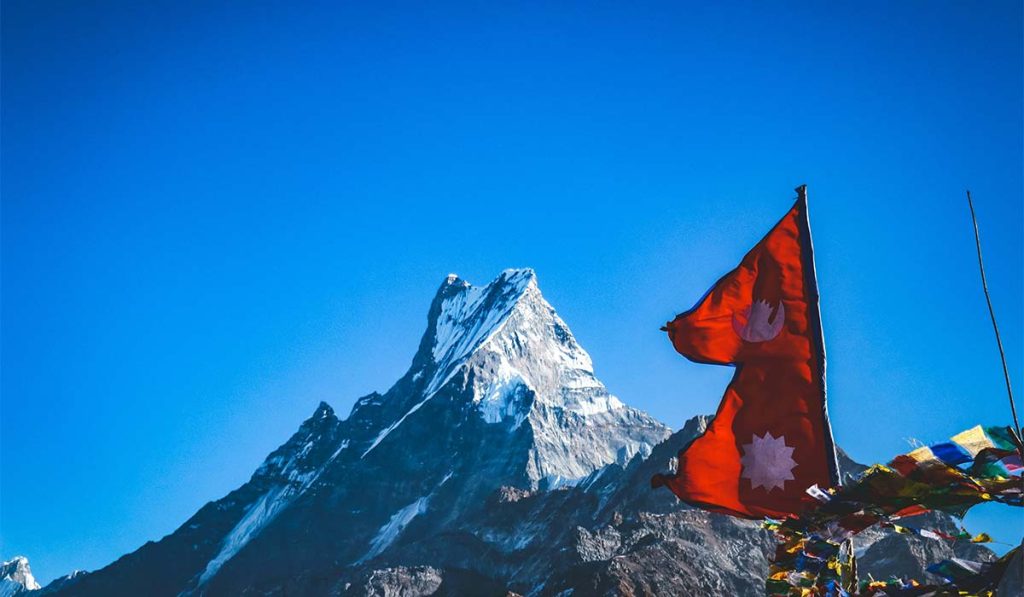
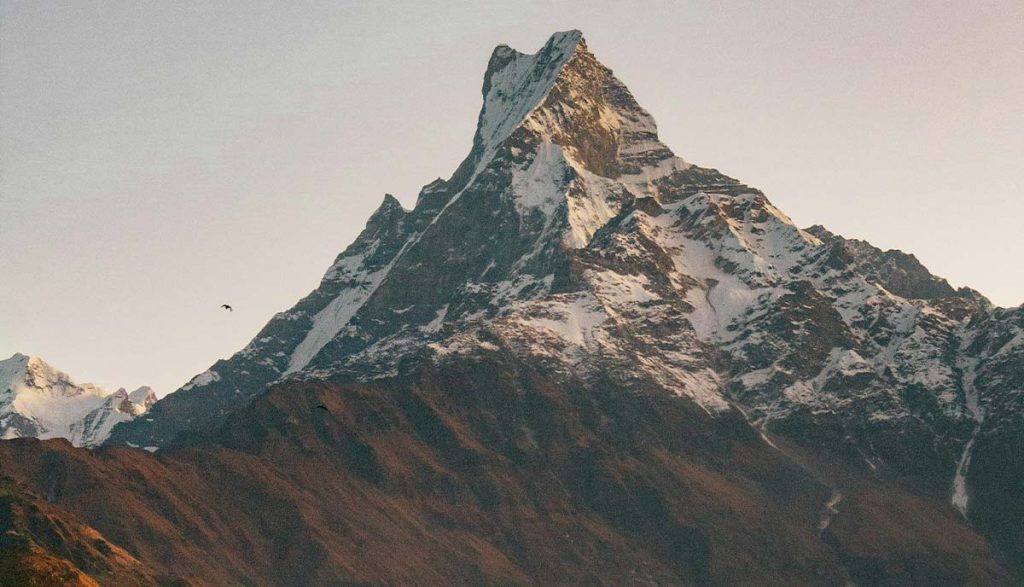
Packing too much on the Mardi Himal route makes every uphill section harder. Packing too little gets uncomfortable fast once the temperature drops above High Camp. A smart Mardi Himal trek packing list is not about bringing more gear. It is about bringing the right layers, the right weight, and a few non-negotiable safety items for a short but high-altitude trek in Nepal.
Mardi Himal is often described as a moderate trek, and that can mislead people into underpacking for cold mornings, wind exposure, and rapid weather changes. The route is shorter than Everest Base Camp or Annapurna Circuit, but it still climbs high enough to feel alpine, especially near High Camp and the viewpoint. You do not need an expedition loadout, but you do need to pack like you expect wet trails, chilly nights, and long days on foot.
How to approach a Mardi Himal trek packing list
The best way to pack for Mardi Himal is to think in systems rather than single items. Your clothing should work as a layering setup. Your bag should let you separate essentials from backup gear. Your footwear should already be tested before you land in Nepal.
This trek usually takes 4 to 6 days, which means you can travel relatively light. Most trekkers do not need fresh outfits every day. What matters more is having one hiking set, one warm camp set, and enough dry layers to handle changing conditions. If you are hiring a porter, you have more flexibility. If you are carrying your own pack, every extra pound will show up on the climbs.
Clothing for the Mardi Himal trek packing list
Start with moisture management. A lightweight or midweight base layer top is useful for cool mornings, and a second short-sleeve or long-sleeve trekking shirt helps if one gets damp. For bottoms, many trekkers do well with one pair of hiking pants and one backup layer such as thermal leggings or lightweight fleece-lined tights for cold evenings.
Your insulation layer matters more than people expect on this route. A fleece or light synthetic midlayer works well for daytime breaks, while a down jacket or quality synthetic insulated jacket is the piece you will likely rely on in the morning and at night. If you trek in late fall, winter, or early spring, the warm jacket is not optional.
Your outer shell should be simple and dependable. Bring a waterproof jacket with a hood, and in monsoon shoulder periods or uncertain weather, waterproof pants are worth carrying too. Even when it is not raining hard, mist and wind can make exposed sections feel much colder.
For underwear and socks, keep it practical. Three pairs of hiking socks are enough for most itineraries if you rotate them and keep one dry pair for sleeping. Quick-dry underwear is better than cotton. A warm hat, sun hat, and lightweight gloves round out the core clothing setup.
What changes by season
In peak spring and fall, most trekkers can pack relatively light if they still include a real insulating jacket and rain protection. In winter, temperatures near High Camp can be very cold, especially before sunrise, so heavier gloves, thicker thermals, and stronger insulation make sense. During wetter months, prioritize fast-drying layers and good waterproofing over extra clothing volume.
Footwear and pack choices
Boot choice depends on your hiking experience and ankle stability. For many trekkers, lightweight hiking boots or trail shoes with solid grip are enough for Mardi Himal in dry conditions. If you are used to trail runners and have strong footing, they can work. If you want more support on steep, uneven, or muddy sections, mid-height boots are the safer choice.
Whatever you choose, break them in before the trek. Mardi Himal is not the place to discover heel rub or toe pressure on descent. Bring camp shoes or sandals if you want something light for teahouses, but keep them minimal.
Your main bag should usually be in the 35 to 50 liter range if you are carrying it yourself. If you have porter support, a duffel works well for the main load and a small daypack for daily essentials. A rain cover is useful, but a liner bag or dry sacks inside your pack are more reliable in sustained moisture.
Sleep and teahouse essentials
Most trekkers on Mardi Himal stay in teahouses, so you do not need camping gear. Still, your sleep setup matters because mountain lodges can get very cold at night. A four-season expedition sleeping bag is usually unnecessary, but a sleeping bag rated roughly around 15F to 30F is a sensible range depending on season and personal cold tolerance.
If you sleep warm and trek in stable spring conditions, you may get by with a lighter bag plus extra layers. If you sleep cold, do not cut corners here. A sleeping bag liner can add comfort and cleanliness, though it is more of a useful extra than a must-have.
Earplugs, a headlamp, and a power bank are small items that make a real difference. Charging is not always convenient or free in higher lodges, and early starts are common if you are heading for the viewpoint.
Health, hygiene, and safety items
A good Mardi Himal trek packing list should reflect the fact that this is a remote mountain route, not a front-country day hike. Your personal first-aid kit does not need to be large, but it should be deliberate. Include blister treatment, pain relief, bandages, any prescription medications, and basic stomach medicine. If you have discussed altitude medication with your doctor, pack it exactly as directed.
Hand sanitizer, toilet paper, wet wipes, and a toothbrush kit cover the basics. Keep hygiene items compact. Teahouse trekking is simpler when you accept that comfort is limited and pack only what you will actually use.
Water treatment is one of the easiest ways to reduce risk on the trail. Bring purification tablets, drops, or a filtration bottle system. Reusable water bottles or an insulated bottle are better than relying on single-use plastic. In colder months, insulation helps stop water from freezing near the top sections.
Sun exposure catches people off guard in Nepal. Pack sunscreen, lip balm with SPF, and sunglasses with decent protection. Even when the air feels cool, the sun at elevation is strong.
Small gear that earns its place
Trekking poles are worth serious consideration on Mardi Himal. The route includes long ascents, steep descents, and steps that can punish knees, especially if trails are wet. For many trekkers, poles are not just comfort items. They improve balance and help conserve energy.
A buff or neck gaiter is another small item with outsized value. It helps with cold wind, dust, and sun exposure. Pack a few zip bags or dry sacks for electronics, documents, and damp clothing. Add a lightweight towel if you expect basic washing along the route.
You should also carry your passport copy, travel insurance details, permits, cash, and a phone kept warm enough to preserve battery life. In the Himalaya, paperwork and power management are part of trip planning, not an afterthought.
What you can leave behind
Overpacking usually happens in three areas: too many clothes, oversized toiletries, and gear meant for hypothetical problems. You do not need multiple heavy sweaters, full-size bottles, or extra shoes beyond your hiking pair and maybe one light camp option. You also do not need technical mountaineering gear for standard Mardi Himal itineraries.
This is where experience helps, but even first-time trekkers can get it right by being honest about actual use. If an item has one narrow purpose and weak odds of being used, it probably stays home. If it supports warmth, dryness, hydration, or foot comfort, it likely deserves space.
A practical packing balance for most trekkers
For most US travelers doing Mardi Himal in spring or fall, the sweet spot is a layered clothing system, broken-in footwear, a warm sleeping bag, rain protection, water treatment, and a small but serious health kit. That setup covers the most common challenges on this route without turning your pack into dead weight.
If you are booking support in Nepal, ask exactly what is included before finalizing your gear. Some trekkers arrive with duplicate items because they assume they need to be fully self-sufficient even when porter services or teahouse logistics reduce that burden. Himalaya Wanderer generally encourages trekkers to prepare conservatively, but not to confuse preparation with excess.
The right packing list should make the trek feel simpler, not heavier. If each item helps you stay warm, dry, steady, or safe, it belongs. If it does not, leave it behind and give yourself more energy for the ridge above Low Camp, the climb to High Camp, and the early morning walk when Mardi Himal finally comes into view.