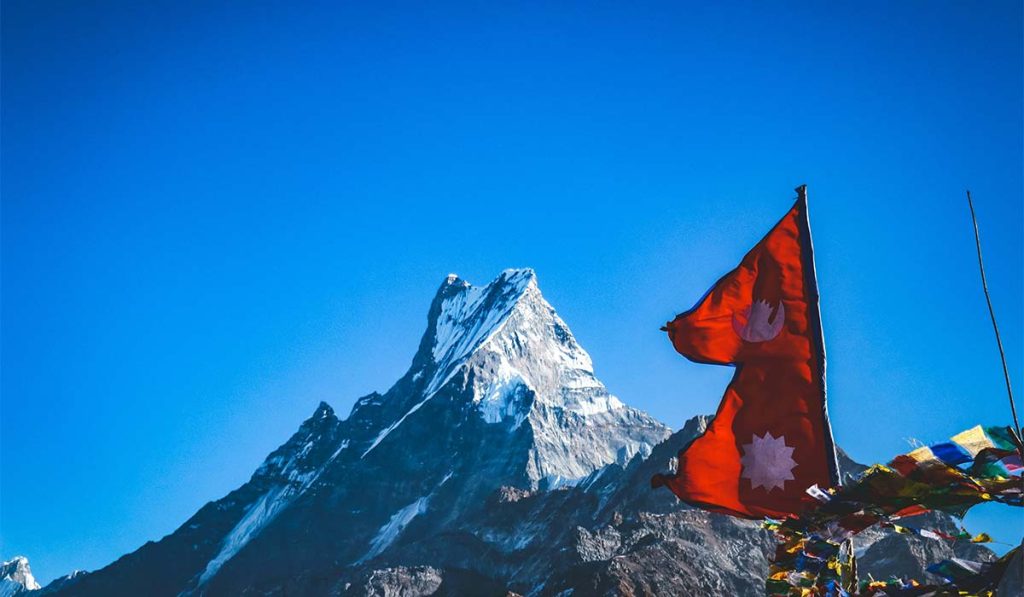
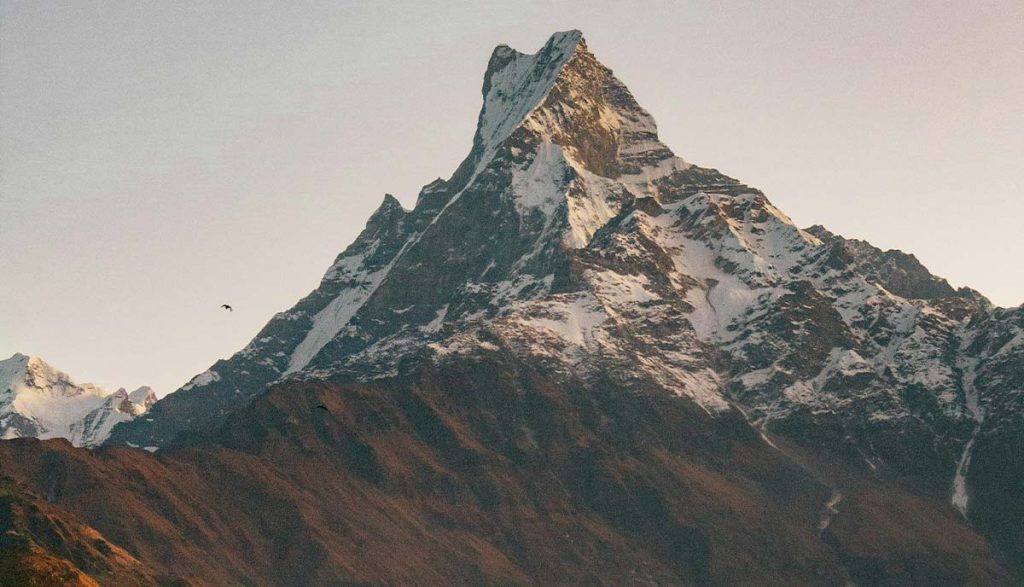
The challenges faced on the Mardi Himal Trek often surprise people because the route is shorter than many other treks in Nepal. That shorter duration can create a false sense of ease. In reality, Mardi Himal is a rewarding but demanding trek, with steep forest climbs, changing mountain weather, limited facilities at higher camps, and the usual risks that come with gaining altitude quickly.
For many trekkers, the biggest mistake is underestimating the trail. Mardi Himal is not a technical climb, but it can feel harder than expected if your fitness, pacing, or preparation is not right.
Why the Mardi Himal Trek feels harder than it looks
On paper, Mardi Himal seems like a moderate trek. The total number of days is manageable, and the route sits in the Annapurna region where logistics are relatively straightforward. But trail condition matters more than itinerary length.
Much of the route involves long uphill sections through forest and ridgelines. Stone steps, muddy stretches in wet weather, and repeated ascents and descents can make each day tiring. Trekkers who are comfortable walking for several hours at sea level sometimes struggle here because mountain trails demand more balance, stamina, and recovery.
Another factor is the pace. Since the trek is short, many itineraries push upward quickly. That can make the days feel compressed, especially if you are coming straight from Pokhara without time to adapt.
Main challenges faced on the Mardi Himal Trek
Altitude gain in a short time
Altitude is one of the most serious concerns on this trek. Even though Mardi Himal is lower than Everest Base Camp, the ascent can still be fast enough to cause headaches, poor sleep, loss of appetite, and shortness of breath. High Camp and Mardi Himal Base Camp are where many trekkers first notice the effects.
The risk is higher if you rush, skip rest, or ignore early symptoms. A short trek does not mean altitude is harmless. In fact, shorter itineraries sometimes increase the problem because there is less time for acclimatization.
Steep and tiring uphill sections
The climb from lower villages into Forest Camp, Low Camp, and beyond can be more demanding than expected. Some sections are relentlessly uphill. If you are carrying a heavy backpack, fatigue builds quickly.
This matters most for first-time trekkers in Nepal. The trail is not dangerous in a technical sense, but leg strength and steady pacing make a big difference. Starting too fast on the first two days often leads to exhaustion later.
Weather changes and poor visibility
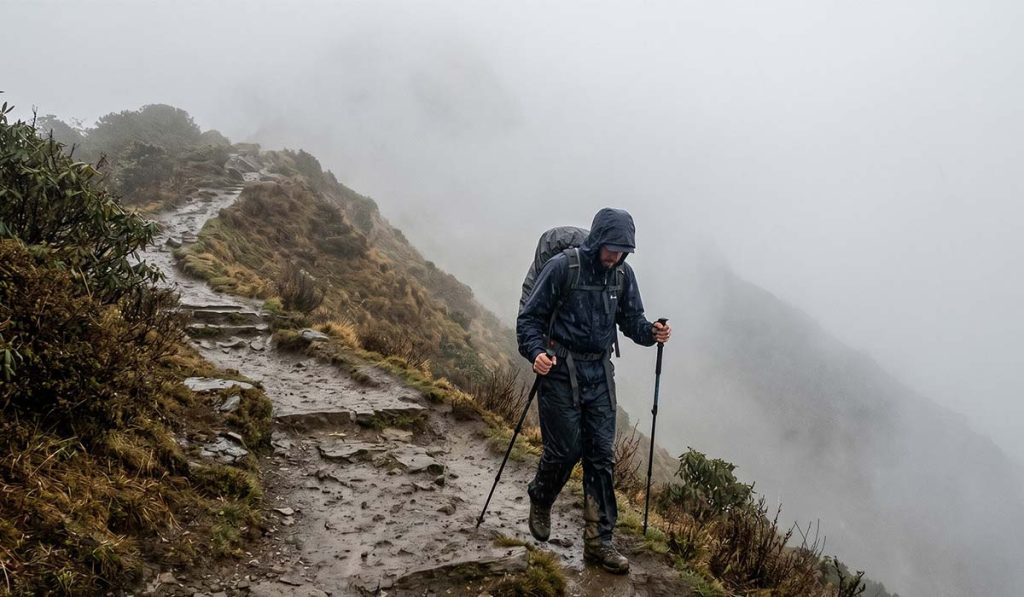
Mountain weather in Mardi Himal can shift quickly. Clear mornings may turn into cloud, rain, wind, or even snow depending on the season. This affects more than comfort. Visibility is a major part of the trek’s appeal, especially on the ridge toward High Camp and Base Camp. If clouds move in, the route can feel colder, more exposed, and less rewarding.
In winter, snow and ice can make footing more difficult. During the monsoon and late monsoon periods, leeches, mud, and slippery forest trails become part of the experience. Spring and autumn are generally the best seasons, but even then, weather is never fully predictable.
Basic accommodation and limited comfort
One of the practical challenges faced on the Mardi Himal Trek is adjusting expectations around teahouses. Lower down, facilities are simple but manageable. Higher up, choices become fewer, rooms are more basic, and services may be limited.
Hot showers, charging, reliable heating, and varied food are not always available in the way trekkers expect. At High Camp especially, cold nights and crowded dining areas can make rest difficult. If you sleep poorly at altitude, the next day feels much harder.
Narrow ridges and exposed sections
The upper trail beyond High Camp is beautiful, but some trekkers feel uneasy on narrow ridges or exposed slopes. The path is generally clear, yet strong wind, frost, or fresh snow can increase the mental challenge.
This does not mean the route is unsafe for prepared trekkers. It means confidence on mountain terrain matters. If you are uncomfortable with exposure, the final approach may feel slower and more stressful than the rest of the trek.
How to prepare for these challenges
The best preparation is honest preparation. Good cardio fitness helps, but so does training on hills or stairs with a light pack. Your body should be used to walking uphill for several hours, not just flat-distance walking.
A sensible itinerary also helps. If possible, avoid cramming the trek into the shortest version unless you already have trekking experience at altitude. Hydrate well, walk at a steady pace, and pay attention to symptoms instead of forcing progress.
Packing matters more than many people think. Warm layers, a proper rain jacket, gloves, and grippy footwear are essential. Trekking poles help on both steep climbs and descents. In colder months, a good sleeping bag adds real comfort at higher camps.
Going with a guide can also reduce stress. On a route like Mardi Himal, where weather, pace, and lodge logistics can affect the whole experience, local guidance helps you make better decisions on the trail. This is especially useful for first-time visitors to Nepal.
Is Mardi Himal still worth it?
Yes, absolutely. The trek is popular for good reason. The forest approach, the open ridge, and the close views of Machhapuchhre, Annapurna South, and Hiunchuli make it one of the most rewarding shorter treks in Nepal.
But it is best enjoyed when you respect what it demands. Mardi Himal is not the hardest trek in the Himalayas, yet it is not a casual walk either. If you prepare for the altitude, the steep climbing, the simple lodges, and the changing weather, the trek becomes far more enjoyable and much safer.
The best trekkers on this route are usually not the fastest. They are the ones who pace themselves well, stay flexible, and treat the mountain with patience.