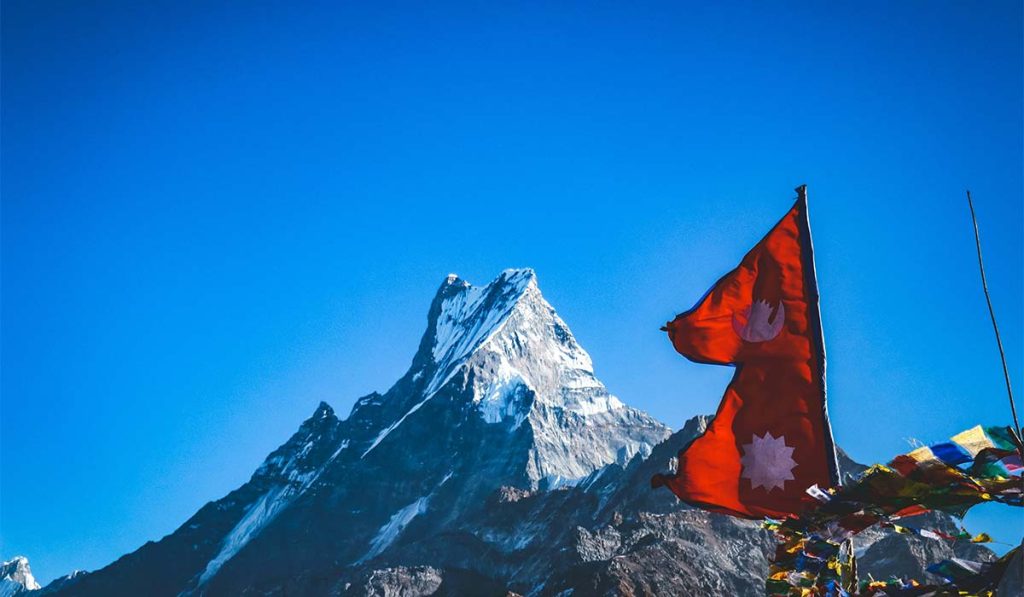
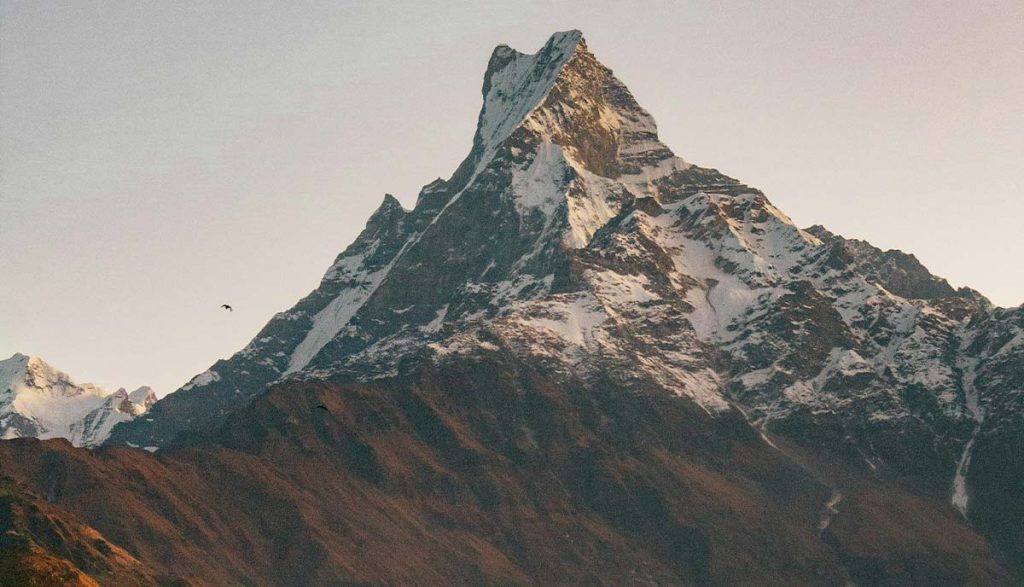
Many trekkers choose Mardi Himal because it is shorter, quieter, and looks more approachable than some of Nepal’s bigger routes. That is exactly why Common Mistakes on the Mardi Himal Trek happen so often. People underestimate it. The trail may be shorter than the Annapurna Base Camp or Everest routes, but poor planning here can still lead to altitude issues, miserable walking days, unexpected costs, and a much less enjoyable trip.
Mardi Himal is one of those treks that rewards good judgment. The route rises quickly, the weather can change fast above the forest, and facilities become simpler as you gain elevation. If you understand the usual mistakes before you go, the trek becomes far more comfortable and far safer.
Underestimating the trek because it is short
This is probably the most common error. Many people see Mardi Himal listed as a 4 to 6 day trek from the Pokhara side and assume it is easy by default. Short does not always mean easy. The trail includes long uphill sections, many stone steps, and a quick altitude gain compared to the total duration.
A shorter itinerary can actually make the trek feel harder because there is less time for gradual adaptation. If you arrive in Nepal after a long international flight, go straight to the trail, and try to push fast; fatigue builds quickly. Trekkers who are reasonably fit usually do well here, but only if they respect the route.
Choosing an itinerary that is too rushed
A rushed Mardi Himal itinerary creates several problems at once. You walk longer each day, you recover less, and you have less margin if the weather turns poor or your body needs more time. This is especially common among travelers trying to fit the trek into a tight Nepal schedule.
The route may look simple on paper, but the days between Forest Camp, Low Camp, High Camp, and the viewpoint can feel demanding. Starting too late in the morning, pushing for extra distance, or skipping a sensible overnight stop often turns an enjoyable trek into a tiring one.
For many trekkers, one extra day makes a real difference. It gives you more flexibility for pacing, rest, and mountain views. In the Himalaya, a plan that looks efficient at home can feel very different on the ground.
Ignoring altitude because the maximum elevation is not extreme
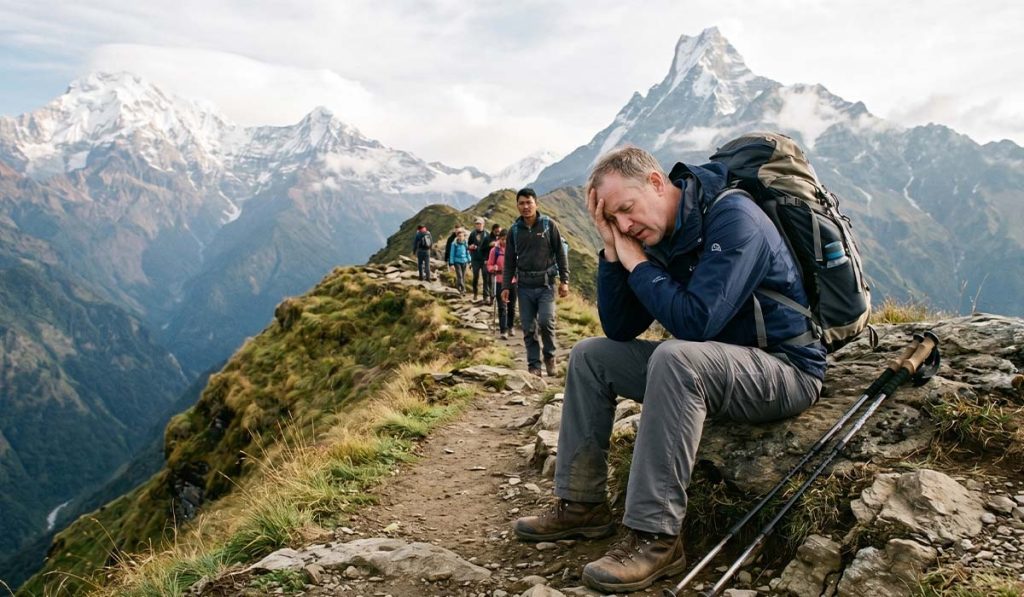
Some trekkers dismiss the altitude risk on Mardi Himal because it does not go as high as major expedition routes. That is a mistake. High Camp sits above 3,500 meters, and the Mardi Himal Viewpoint is over 4,000 meters. More importantly, the ascent can be relatively quick.
Altitude sickness does not only happen on the highest treks. It can affect healthy, fit, and experienced hikers if they ascend too quickly or ignore symptoms. Headache, nausea, loss of appetite, dizziness, and unusual tiredness should never be brushed aside.
The safest approach is simple: walk at a steady pace, drink enough water, avoid heavy alcohol intake, and do not compete with anyone on the trail. If symptoms worsen with elevation, descending is the correct decision. Summit thinking has no place on a trekking route.
Carrying the wrong gear
Mardi Himal often gets marketed as a light, straightforward trek, so some travelers pack too casually. Others go in the opposite direction and carry far too much. Both mistakes make the trail harder.
The upper section near High Camp and the viewpoint can be cold, windy, and exposed, especially in the morning. A proper layering system matters more than bulky packing. You need a warm down or insulated jacket, a reliable rain layer, gloves, a hat, and good hiking footwear with grip. In spring and autumn, conditions are usually favorable, but cold mornings are still common. In winter, snow and ice can change the trek significantly.
At the same time, overpacking is one of the fastest ways to make every uphill section feel longer. Keep your bag practical. Extra weight feels very noticeable on this trail.
Starting the viewpoint hike too late
The walk from High Camp to Mardi Himal Viewpoint is often the highlight of the trek, but timing matters. Many trekkers underestimate how early they should start. The weather is usually clearer in the morning, and clouds often build later in the day. A late start can mean missing the best mountain views or dealing with stronger winds and harsher sun.
The early start is also useful for safety and energy management. The trail is more exposed above High Camp, and it is better to complete the ascent while your legs are fresh. If you leave too late, rush the climb, and then need to descend a long way the same day, the day becomes far more tiring than expected.
Expecting luxury or consistent comfort in the teahouses
Mardi Himal has teahouses, but facilities are basic, especially higher up. Some trekkers arrive expecting the same comfort they have seen on more developed trekking routes. Rooms are simple, dining spaces are warm but modest, and services can be limited depending on the season and crowd levels.
Electric charging, hot showers, internet, and menu variety are not things you should assume will always be available exactly when you want them. At higher elevations, supplies are carried in with effort, and weather can affect operations. A flexible mindset makes a big difference.
If you go expecting mountain simplicity rather than hotel comfort, you will usually enjoy the experience much more.
Not checking seasonal conditions carefully
Mardi Himal is beautiful in spring and autumn, but the season still changes the nature of the trek. In the monsoon, trails can be muddy, leeches may appear in lower forest sections, and mountain views are less reliable. In winter, snow above Low Camp or High Camp can affect access and make the route slower or riskier.
This is where many planning mistakes begin. Trekkers read a general recommendation such as “Mardi Himal can be done year-round” and do not ask the next question: what will the actual trail be like in my month?
That detail matters. The right month for one person may be wrong for another depending on fitness, cold tolerance, and whether views or quiet trails matter most.
Poor hydration and weak nutrition on the trail
Because the trek is relatively short, some people become careless about food and water. They drink too little, skip meals, or rely too much on snacks instead of proper meals at the teahouses. That usually catches up with them by the second or third day.
Hydration helps with energy, recovery, and altitude adaptation. Regular meals matter just as much. Even if your appetite drops with elevation, you still need fuel for long uphill walking and cold mornings. Warm, familiar trekking foods like dal bhat, soup, porridge, potatoes, eggs, and noodles are popular for good reason. They are practical and dependable.
Wearing brand-new boots or arriving without training
Mardi Himal does not require mountaineering skills, but it still rewards preparation. A surprisingly common mistake is showing up with brand-new hiking boots that have never been tested. Blisters on steep trails can ruin a short trek quickly.
The other issue is a lack of conditioning. You do not need elite endurance, but you should be comfortable walking uphill for several hours with a daypack. Training with stairs, local hikes, and steady cardio before coming to Nepal makes the trek far more enjoyable.
When people struggle on Mardi Himal, it is often not because the route is too technical. It is because their legs, lungs, or feet were not prepared for consecutive uphill days.
Misunderstanding permits, logistics, and route access
Some trekkers focus heavily on packing and overlook the basic logistics. They are unsure where the trek starts, how they return, what permits they need, or how long transfers take from Pokhara. These details are not difficult, but they do need attention.
Depending on your route variation, the trail commonly starts after a drive to the trailhead area and finishes at a different exit point. That means transport planning matters. Permit requirements and local rules also need to be checked in advance rather than assumed.
A small logistical mistake in the city can cost you half a trekking day. That is frustrating on a short itinerary where every day counts.
Trekking without local advice when conditions are uncertain
Mardi Himal is not the most complicated trek in Nepal, but that does not mean every season or every day is straightforward. Trail conditions, snowlines, visibility, and lodge availability can all shift. Independent trekkers often do well here, but there is a difference between trekking independently and trekking without current information.
A little local advice goes a long way. Even experienced hikers benefit from checking recent trail conditions, weather patterns, and realistic day stages before leaving Pokhara. Brands like Himalaya Wanderer build trust by sharing exactly this kind of field-based guidance because mountain routes are never just about map distance.
Treating the trek like a race
This mistake sits behind many of the others. People compare itineraries, chase fast completions, and turn a beautiful ridge trek into a time challenge. Mardi Himal is not a route where speed adds much value. The forest sections are peaceful, the ridges open gradually, and the best moments usually come when you have enough time to notice where you are.
A sensible pace improves safety, comfort, and the whole experience. You sleep better, eat better, and have a much better chance of getting those clear early views of Machhapuchhre, Annapurna South, and Hiunchuli.
If you want to avoid the common mistakes on the Mardi Himal Trek, the best approach is not complicated. Give the route a little more respect than its short duration suggests, plan for the season you are actually trekking in, and leave room for the mountains to set the pace.