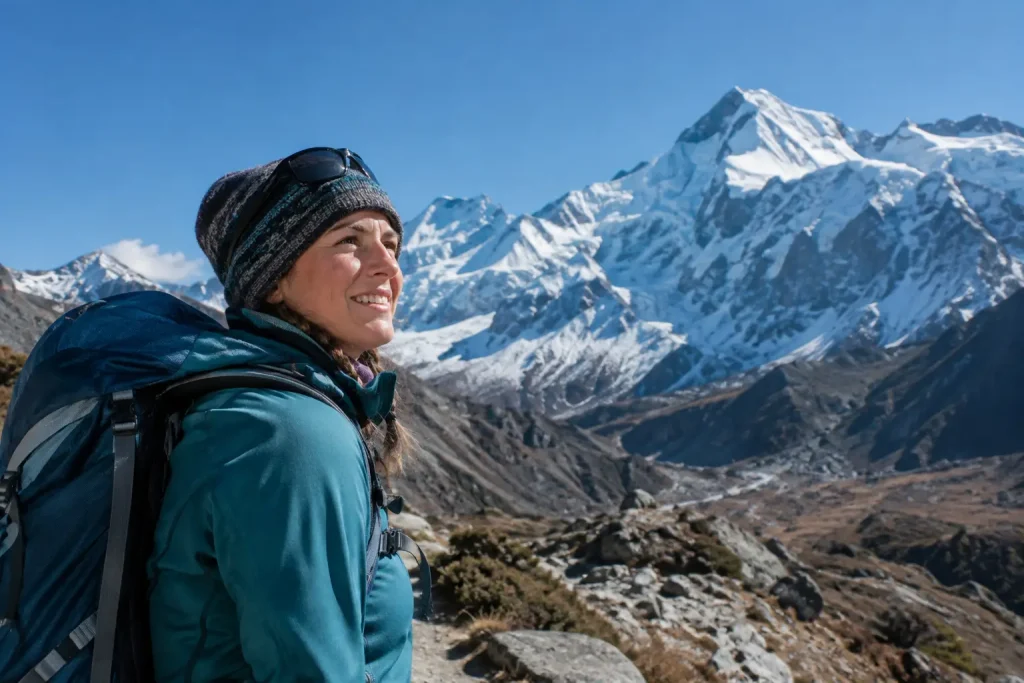
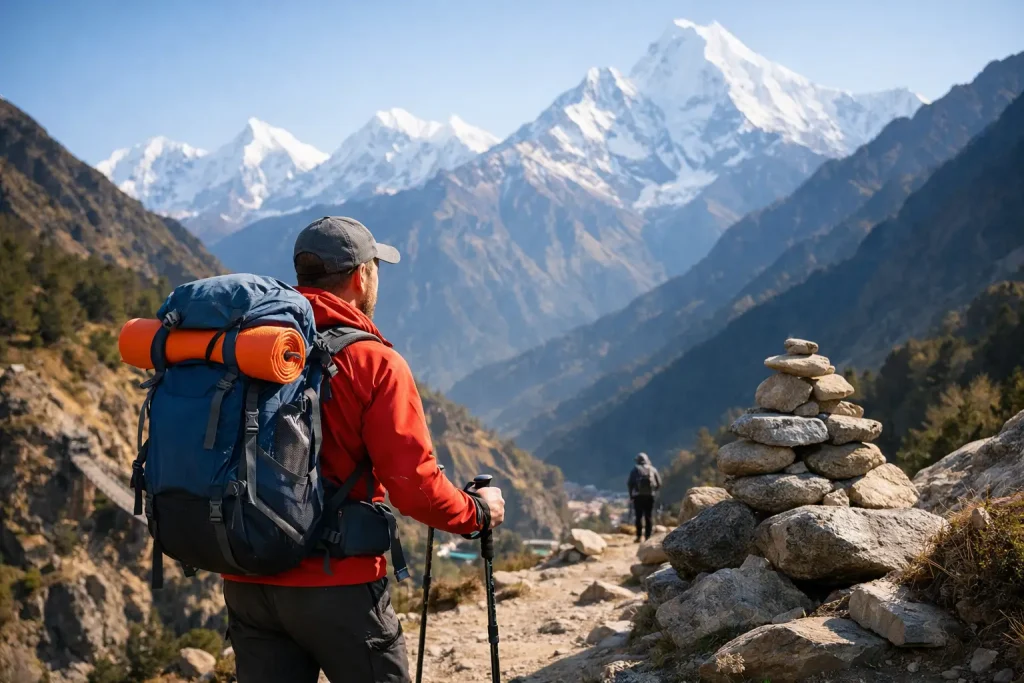
The Manaslu Circuit is not a trek where extra gear automatically means extra security. Every unnecessary pound becomes noticeable on long uphill days, while one missing warm layer can make a cold lodge evening uncomfortable. Knowing how to pack for Manaslu means preparing for high altitude, cold mornings, changing weather, and limited resupply without turning your duffel into an unmanageable load.
Most trekkers use a porter-supported setup: a larger duffel or backpack for the main load and a daypack for essentials needed while walking. Your exact packing list will depend on the season, itinerary length, and whether you sleep in lodges or camp, but the principle stays the same: bring versatile layers, protect critical items from moisture, and keep weight under control.
How to Pack for Manaslu: Start With Weight Limits
For a standard lodge-based Manaslu Circuit Trek, aim to keep your main bag at roughly 22 to 26 pounds, excluding the clothes and boots you wear. A porter commonly carries two trekkers’ duffels, so tour operators may set a 22-pound limit per person. Confirm the allowance before flying to Nepal, especially if your itinerary includes side trips such as Tsum Valley.
Your daypack should generally weigh 10 to 15 pounds at the start of the day. It needs to hold water, rain protection, insulation, sun protection, snacks, valuables, and basic medical supplies. Do not put anything essential for the day’s walk into the porter bag. Porters may be ahead of you, behind you, or delayed by weather and trail conditions.
Use a durable duffel with lockable zippers or a large trekking backpack, then line it with a heavy-duty waterproof liner. Packing cubes or dry bags make it easier to separate clean clothing, used clothing, electronics, and toiletries. Rain covers help, but they are not a substitute for internal waterproofing.
Pack a Layering System, Not a Different Outfit for Every Day
The Manaslu route rises from humid lower valleys to the exposed Larkya La Pass at 17,769 feet. Temperatures and exertion levels can change dramatically within one day. A flexible layering system is more useful than bulky single-purpose clothing.
Start with two moisture-wicking base-layer tops. One long-sleeve shirt is usually enough for sun and cool conditions, while a second shirt gives you a dry option at the lodge. Bring one pair of thermal bottoms for cold evenings and the pass day. Cotton is a poor choice because it dries slowly and can leave you chilled after sweating.
For insulation, carry a lightweight fleece or active midlayer and a warm insulated jacket. A quality down jacket is the most efficient option for most spring and fall Manaslu treks. Synthetic insulation is a sensible alternative if you expect frequent wet weather or prefer easier care. Your jacket should be warm enough for unheated dining rooms, early starts, and rest stops at altitude.
A waterproof, windproof shell jacket and rain pants are essential. The shell does not need heavy insulation because its job is to block precipitation and wind over your other layers. During the monsoon season, use dependable rain gear rather than a thin emergency poncho. Trails can be wet for days, and afternoon rain is common.
For your lower body, two pairs of trekking pants are normally sufficient. Add lightweight shorts only if you tend to hike warm in the lower valley. One pair of comfortable lodge pants or leggings is useful, but avoid carrying a full set of casual clothes that will only stay in the duffel.
Footwear for Larkya La and Long Descents
Break in your trekking boots before arrival. They should have reliable ankle support, enough room for thicker socks, and soles that grip wet stone, dust, and occasional snow. Waterproof boots are helpful in spring, late fall, and monsoon conditions, though no boot stays dry if water enters from the top.
Bring three pairs of wool or synthetic trekking socks and one warmer pair for sleeping. Rotating socks allows a damp pair to dry against your body or near the lodge stove when permitted. Carry blister tape, moleskin, or your preferred foot-care system from home. Small hotspots become much harder to manage after several consecutive days of walking.
Camp shoes are worth the space if they are light. Sandals, Crocs-style shoes, or lightweight slip-ons give your feet a break in the evening and make shared bathroom trips easier.
Cold-Weather Accessories Matter More Than You Expect
The highest part of the trek is often cold, windy, and started before daylight. Gloves, a warm hat, and a neck gaiter are not optional items for most Manaslu itineraries. Pack a thin liner glove plus insulated outer gloves if you have cold hands, especially for Larkya La Pass.
Bring a sun hat or cap as well. At altitude, strong sun and reflected light can cause sunburn even when the air feels cool. Sunglasses with good UV protection are equally important, particularly if there is snow on the pass.
A warm sleeping bag is another key decision. Tea houses provide blankets, but availability and cleanliness vary. For spring and fall, a sleeping bag rated around 0°F to 10°F is a comfortable choice for many trekkers. If you sleep cold, choose the warmer end of that range. A sleeping bag liner adds modest warmth and provides a clean personal layer, but it should not replace an adequately rated bag.
What to Keep in Your Daypack
Your daypack should carry the equipment that protects you during the hiking day and the items you cannot risk losing. This includes your passport, permits or permit copies, travel insurance details, phone, camera, wallet, and any prescription medicine.
Carry two water bottles or an insulated bottle and a bottle plus hydration reservoir, with capacity for at least two liters. Hydration reservoirs are convenient, but their tubes can freeze near the pass. Many trekkers prefer wide-mouth bottles because they are easier to fill, treat, and keep from freezing overnight.
Your daily essentials should also include sunscreen, lip balm, hand sanitizer, toilet paper, a headlamp, charging cable, snacks, rain shell, warm layer, gloves, and a small first-aid kit. Trekking poles should remain accessible, not buried in your duffel. They reduce strain on knees during the long descent after Larkya La and provide stability on uneven trails.
Health, Hygiene, and Medication
Medical supplies are limited once you leave the roadhead, so pack personal medication with extra days built in. Keep it in original packaging and carry a written prescription when appropriate. Discuss altitude medication, such as acetazolamide, with a qualified medical professional before the trip. It is not a replacement for a conservative itinerary, hydration, and honest reporting of symptoms.
A compact personal kit should include blister treatment, pain relief medication you know you tolerate, anti-diarrheal medication, oral rehydration salts, antiseptic wipes, bandages, and any treatment recommended by your clinician. Guides often carry a group first-aid kit, but you should not rely on it for individualized medication.
For hygiene, bring a quick-dry travel towel, toothbrush, toothpaste, wet wipes, hand sanitizer, and a small supply of biodegradable soap if needed. Keep expectations realistic: showers become less frequent as you gain altitude, and cold-water washing is common. Pack enough toilet paper for the trek because supplies in remote villages may be limited or expensive.
Electronics and Power Planning
Charging is available in many Manaslu tea houses, but it may cost extra and can be unreliable during busy periods or poor weather. A 10,000 to 20,000 mAh power bank is usually more practical than carrying several batteries. Keep batteries and your phone warm at night, since cold temperatures drain power quickly.
Download offline maps, itinerary information, and emergency contacts before leaving Kathmandu. A headlamp with spare batteries is essential for early pass mornings, lodge power outages, and nighttime bathroom trips. Avoid overpacking camera equipment unless photography is a central goal of your trek. Weight becomes a real trade-off after a week on the trail.
Seasonal Adjustments for Your Manaslu Packing List
Spring and fall are the main trekking seasons. In spring, expect warmer lower valleys, possible snow near Larkya La, and variable weather. Fall is often drier with clearer mountain views, but mornings and nights at high altitude can be sharply cold. For either season, your insulated jacket, shell, gloves, and sleeping bag deserve priority.
Monsoon trekking requires stronger waterproofing, extra socks, leech protection in lower elevations, and patience with muddy trails. Winter conditions may bring deep snow, pass closures, and significantly colder nights. A winter Manaslu trek requires more specialized equipment and should be planned with experienced local support.
Do not pack according to the Kathmandu forecast. Review expected conditions along the route and at Larkya La Pass shortly before departure. Your guide or trekking operator can help adjust the final list based on current snow, rain, and lodge conditions.
The best Manaslu packing strategy is the one that leaves room for safety margins without burdening every uphill step. Test your boots, wear your pack on training hikes, and organize your equipment before you fly. A well-packed bag lets you focus less on discomfort and more on acclimatizing, walking steadily, and making sound decisions in the mountains.