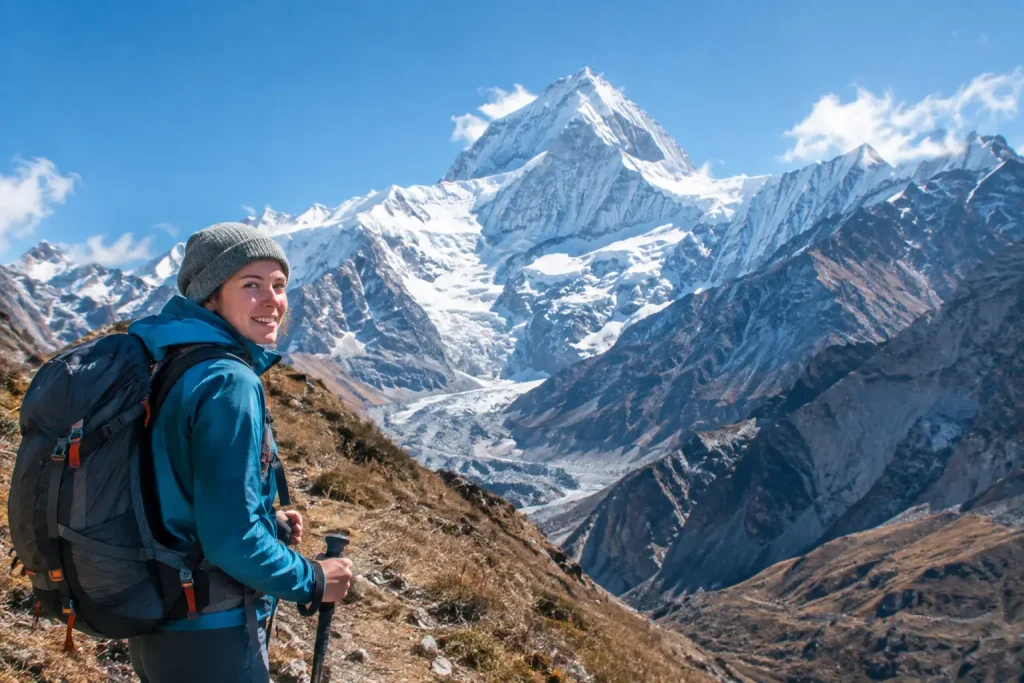
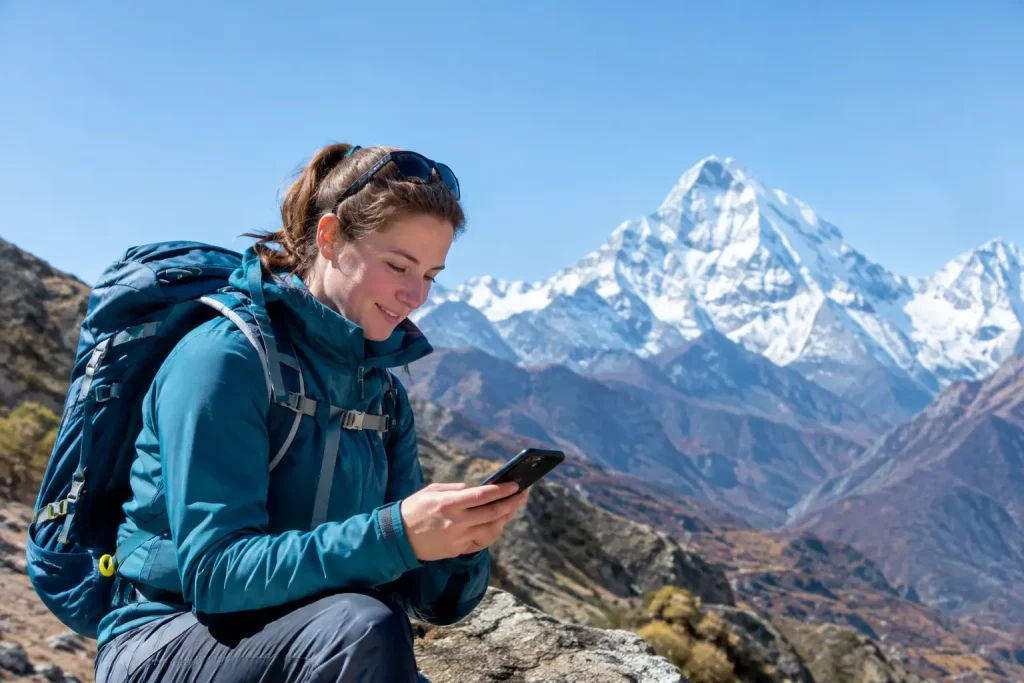
The choice between the Langtang Trek vs Poon Hill usually comes down to one practical question: do you want a shorter, lower-altitude introduction to Nepal trekking, or a more demanding Himalayan journey with greater mountain immersion? Both routes offer excellent views, welcoming teahouses, and a manageable timeframe for international travelers. Their physical demands, altitude exposure, access logistics, and overall feel are very different.
Poon Hill is generally the better fit for first-time trekkers, travelers with limited time, or anyone unsure how their body will respond to altitude. Langtang requires more endurance and more deliberate acclimatization, but rewards that effort with a longer valley trek, closer high-Himalayan scenery, and a stronger sense of being deep in the mountains.
Langtang Trek vs Poon Hill at a Glance
The Poon Hill Trek commonly takes four to six days, depending on the starting point and whether you include Ghandruk, Jhinu Danda, or other Annapurna villages. Its high point is Poon Hill at 10,531 feet (3,210 meters). Most itineraries involve several long stair climbs, particularly around Ulleri and Ghorepani, but the altitude is moderate by Himalayan trekking standards.
The standard Langtang Trek takes seven to 10 days. Kyanjin Ri, the route’s most popular high viewpoint, reaches roughly 15,118 feet (4,610 meters), while Kyanjin Gompa sits at about 12,467 feet (3,800 meters). The daily walking is not technically difficult, but the higher sleeping elevations make acclimatization a central planning concern.
Choose Poon Hill for a compact trek with broad Annapurna and Dhaulagiri views. Choose Langtang for a more sustained mountain experience, Tibetan-influenced Tamang culture, and the chance to walk beneath dramatic peaks rather than simply view them from a sunrise hilltop.
Difficulty and Fitness Requirements
Poon Hill: Easier altitude, hard stair days
Poon Hill is often described as easy, but that can create the wrong expectation. It is easier than Langtang in altitude terms, not necessarily easy on unprepared legs. The trail includes thousands of stone steps, frequent ascents and descents, and days that can run five to seven hours depending on your pace and itinerary.
A reasonably active traveler can prepare well for Poon Hill with regular hiking, stair climbing, and cardio training. You do not need technical mountaineering skills, crampons, or prior high-altitude experience. Trekking poles are useful for protecting knees on long descents, especially in wet conditions.
Langtang: Greater endurance and altitude demands
Langtang generally involves longer trekking days and greater elevation gain over the course of the trip. The initial trail follows the Langtang Khola through forest and villages, then opens into a broad alpine valley. The terrain is mostly well-defined, but the combination of repeated walking days, colder temperatures, and high sleeping elevations makes it more demanding.
You should arrive with a solid aerobic base for Langtang. Aim to comfortably hike for five to seven hours on consecutive days while carrying a daypack. Hill training, stair sessions, and weekend hikes are more useful than occasional flat-ground walks. A strong fitness level does not prevent altitude illness, however. Acclimatization, gradual ascent, hydration, and honest symptom monitoring still matter.
Altitude Safety Is the Biggest Difference
Poon Hill’s highest viewpoint is high enough to leave some visitors short of breath, especially during the pre-dawn climb from Ghorepani. But serious altitude illness is relatively uncommon on a sensible itinerary because trekkers sleep lower, usually around 9,350 feet (2,850 meters) in Ghorepani.
Langtang demands more attention. Once you reach Langtang Village and Kyanjin Gompa, you are sleeping at elevations where acute mountain sickness can occur. Headache, unusual fatigue, nausea, dizziness, poor appetite, and disturbed sleep should be taken seriously. Do not continue upward simply because the itinerary says it is time to move.
A good Langtang plan includes an acclimatization day at Kyanjin Gompa before attempting Kyanjin Ri or Tserko Ri. Climb high during the day, then return to sleep lower. If symptoms worsen or do not improve with rest, descending is the appropriate response. Travel insurance should specifically cover trekking at your intended maximum elevation and include emergency evacuation.
Mountain Views and Trek Experience
What Poon Hill does best
Poon Hill is known for its sunrise panorama. On a clear morning, trekkers can see Dhaulagiri, Annapurna South, Hiunchuli, Machhapuchhre, Nilgiri, and other peaks rising above layered foothills. It is a wide-angle view rather than an isolated wilderness experience.
The route also passes through attractive Gurung and Magar villages, rhododendron forests, terraced farmland, and busy teahouse settlements. In spring, flowering rhododendrons add color to the forest sections. This is a social, established trekking route, and you should expect other hikers during peak seasons.
What Langtang does best
Langtang feels more like a valley expedition. The scenery changes steadily from subtropical forest to glacial river valleys, yak pastures, open meadows, and high mountain terrain. Near Kyanjin Gompa, the peaks feel close and immediate, with Langtang Lirung dominating the skyline.
The route also offers more cultural depth for travelers interested in the region itself, not only the views. Tamang communities, Buddhist monuments, stone villages, and yak-grazing landscapes give the trek a distinct character. The area continues to rebuild and evolve following the 2015 earthquake, so trekkers should travel respectfully and support local lodges.
Time, Access, and Logistics
Poon Hill is typically easier to fit into a broader Nepal itinerary. You travel from Kathmandu to Pokhara by flight, tourist bus, or private vehicle, then continue by road to the trailhead. Road conditions and starting locations vary, but the overall approach is familiar and straightforward. Pokhara also provides a comfortable place to organize gear, recover after the trek, or add sightseeing days.
Langtang begins with a long overland drive from Kathmandu to Syabrubesi. The road can be rough, slow, and affected by monsoon landslides or construction. Plan a buffer day if you have an international flight soon after the trek. Unlike Poon Hill, Langtang does not require travel through Pokhara, which can be convenient if Kathmandu is your only Nepal base.
Both treks use teahouses, so camping is not normally necessary. Rooms are simple, insulation can be limited, and hot showers or charging may cost extra. Langtang’s higher elevations can be noticeably colder, particularly from late fall through early spring. Bring a sleeping bag rated for cold conditions even when lodges provide blankets.
Permits and Costs
Poon Hill lies in the Annapurna Conservation Area, while Langtang lies in Langtang National Park. Permit rules, fees, checkpoint procedures, and identification requirements can change, so confirm the current requirements before departure. Carry your passport details, permit documents, and several passport photos if your trekking organizer advises them.
Poon Hill can be less expensive overall because it is shorter and has more competitive transport and lodge options around Pokhara. Langtang costs more in total because of additional trekking days, the Kathmandu-Syabrubesi transport, and higher food prices as supplies move farther into the valley. Neither trek requires expensive technical equipment, but both require a realistic budget for meals, lodging, permits, tips, transport, and contingency spending.
A guide is not always legally required on every route under every current regulation, but requirements have changed in Nepal in recent years. Even when independent trekking is allowed, a licensed guide adds value on Langtang through pace management, local communication, weather judgment, and altitude awareness. This can be especially reassuring for a first high-altitude trek.
Best Seasons for Each Trek
October through November and March through April are the most reliable periods for both routes. Fall usually brings the clearest skies and stable views, though mornings and nights become colder. Spring offers warmer daytime temperatures and blooming forests on Poon Hill, with a greater chance of afternoon haze.
Langtang can be especially cold in winter, and high viewpoints may involve snow or ice. Poon Hill remains possible in winter for properly equipped trekkers, but early-morning conditions can be freezing and trails may be slippery. During the June through August monsoon, both regions have leeches, rain, cloud cover, and potential road disruption. Poon Hill’s lower forests can be particularly wet, while Langtang access roads deserve close attention.
Which Trek Should You Choose?
Choose Poon Hill if you have under a week, want lower altitude risk, prefer a well-developed teahouse route, or are taking your first Himalayan trek. It is also a strong choice for travelers combining trekking with Pokhara, Chitwan, or a shorter Nepal vacation.
Choose Langtang if you have at least eight to 10 days available, have trained for sustained uphill walking, and want a more immersive high-mountain setting without committing to the longer Everest or Annapurna Circuit routes. It suits trekkers who are comfortable accepting more variable road access and taking acclimatization seriously.
The better trek is not necessarily the higher or more famous one. Pick the route that leaves enough time for weather delays, recovery, and a conservative pace. A trek that matches your fitness, schedule, and altitude experience is far more likely to give you the Himalayan trip you came to Nepal for.