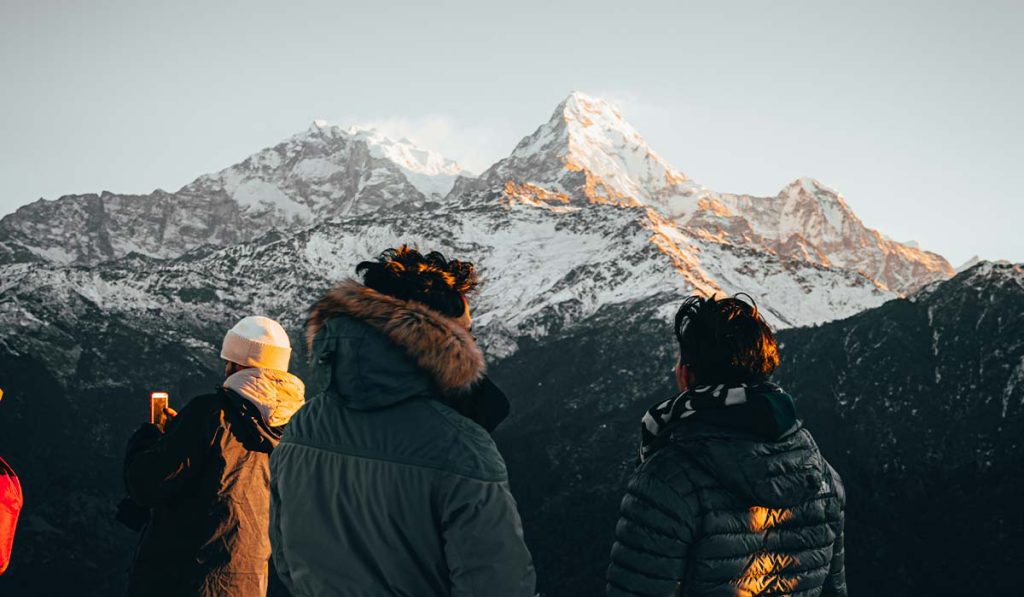
Most trekkers do not expect altitude to be a real issue on Poon Hill. That is exactly why some people get caught off guard. Altitude Challenges on the Poon Hill trek are usually not severe compared with Everest Base Camp or Annapurna Circuit, but the route still climbs high enough to cause shortness of breath, headaches, poor sleep, and fatigue, especially if you arrive fast from Pokhara or start trekking without proper pacing.
Poon Hill sits at about 3,210 meters, or 10,531 feet. For many trekkers, that elevation is manageable. For some, especially first-time trekkers in Nepal, it can feel surprisingly hard. The early morning climb in cold air, the steep stone steps, and a fast itinerary can make a moderate trek feel much tougher than expected.
How serious are altitude challenges on Poon Hill?
In practical terms, Poon Hill is considered a lower-risk trek for altitude sickness when compared with higher Himalayan routes. Most people complete it without major problems. Still, lower risk does not mean no risk.
Altitude can affect anyone. Fitness helps with stamina, but it does not guarantee protection from acute mountain sickness. A strong hiker can still develop a headache or nausea, while a slower trekker may feel fine. What matters more is how your body adapts to reduced oxygen as you gain height.
On the standard Ghorepani Poon Hill trek, many people sleep around Tikhedhunga, Ulleri, or Ghorepani before making the pre-dawn ascent to the viewpoint. Ghorepani itself is already around 2,860 meters. If you move quickly, sleep poorly, get dehydrated, or push hard on the uphill sections, mild altitude symptoms can appear by the time you reach or leave Ghorepani.
Why Poon Hill can feel harder than expected
One reason is the route profile. Poon Hill is often marketed as a short and easy trek, which is true compared with longer expedition-style trails. But “easy” can be misleading for beginners.
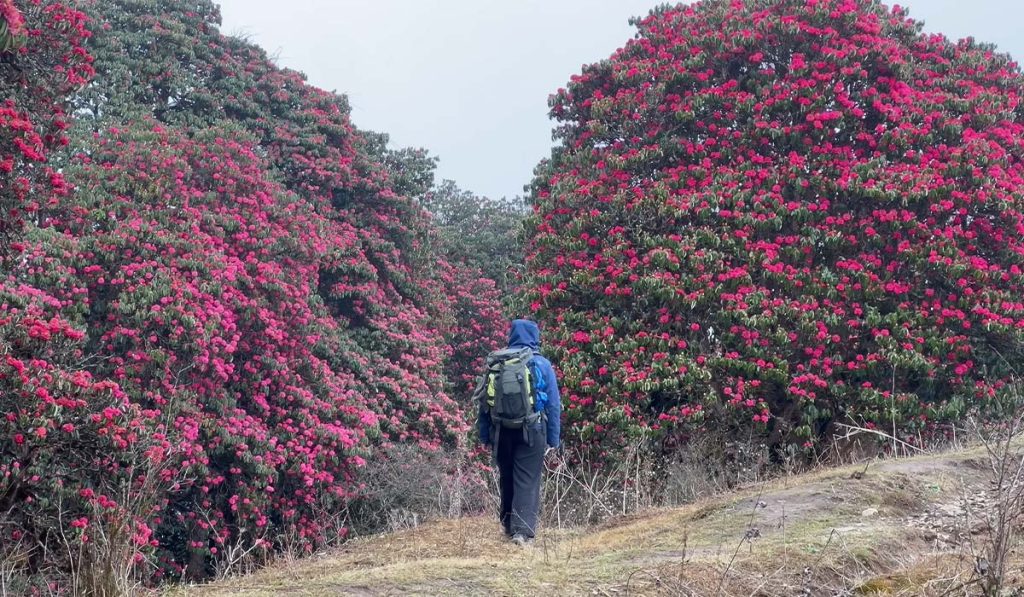
The climb from Nayapul or nearby road heads toward Ulleri includes long sections of steep stone steps. Then comes the higher approach through rhododendron forest toward Ghorepani. Finally, the sunrise hike to Poon Hill is short but sharp, usually done in darkness and cold conditions. If you are already breathing harder at altitude, that final push can feel much more demanding than the map suggests.
Another factor is itinerary speed. Some trekkers come straight from Kathmandu to Pokhara, then start trekking almost immediately. That is not extreme altitude gain, but it still gives your body very little time to settle into the effort, travel fatigue, and changing temperatures.
Common symptoms at Poon Hill altitude
Most altitude-related problems on this trek are mild. The common signs are headache, unusual tiredness, poor appetite, light nausea, dizziness, and disturbed sleep. Some trekkers also notice they are breathing faster than normal even when walking at a comfortable pace.
A mild headache after climbing to Ghorepani or during the morning ascent to Poon Hill is not unusual. Neither is feeling slower than expected. The key question is whether symptoms improve with rest, hydration, and slower movement, or whether they continue to worsen.
If symptoms become stronger, especially severe headache, vomiting, confusion, loss of coordination, or breathlessness at rest, that is no longer something to ignore. Those symptoms are uncommon on Poon Hill, but they require immediate descent and proper medical attention.
Who is more likely to feel altitude on Poon Hill?
First-time trekkers in Nepal often notice altitude more than they expect because they are also dealing with steep terrain, colder mornings, and long walking days. People flying in from sea level and starting quickly may feel it more than travelers who have already spent several days in Nepal.
Trekkers with a rushed schedule are another group to watch. A compressed itinerary can turn a comfortable route into a physically stressful one. Poor sleep before the trek, alcohol, dehydration, and not eating enough also increase the chance of feeling unwell higher up.
Age alone is not the deciding factor. Neither is gym fitness. I have seen very fit trekkers push too hard and feel worse than older walkers who keep a steady pace and drink enough water. On this trail, patience often matters more than pride.
Altitude Challenges on Poon Hill and itinerary planning
The best way to reduce altitude discomfort on Poon Hill is to choose a sensible itinerary. A classic route with an overnight stay before Ghorepani gives your body more time to adjust than a rushed version that tries to cover too much in too little time.
For many trekkers, spending one night lower down, then another night at Ghorepani before the sunrise hike, works well. That pattern breaks the climb into manageable stages. It also helps with energy levels, since the steep sections are easier when you are not trying to rush for a same-day target.
The trade-off is time. If you only have two or three trekking days, you may be tempted to compress the route. That can still work for experienced hikers, but the chance of fatigue, headache, and an unpleasant early morning climb goes up.
If you already know you are sensitive to altitude, adding an extra night is a smart decision. Even though Poon Hill is not very high by Himalayan standards, a slower ascent usually makes the trek more enjoyable.
Practical ways to reduce altitude risk
The simplest advice is still the most effective. Walk slowly, drink water regularly, eat enough, and do not treat the trek like a race. On stone stair sections, especially near Ulleri and the climb toward Ghorepani, many trekkers go too fast at the start and pay for it later.
Layering matters too. Cold air in the early morning can make breathing feel tighter, and stopping often without warm clothing can leave you chilled. A warm jacket, gloves, and hat are especially useful for the Poon Hill sunrise walk.
It also helps to avoid alcohol when ascending. One drink at the teahouse may not seem like much, but alcohol can worsen dehydration and affect sleep. The same goes for not drinking enough because the weather feels cool. Many trekkers underestimate water needs in the mountains when they are not sweating heavily.
Medication such as Diamox can be considered in some cases, especially for travelers with previous altitude issues or very short itineraries, but it should not replace good pacing and smart planning. It is best used after proper medical advice, not as a shortcut.
When to stop and when to descend
This is where honest judgment matters. Mild symptoms that stay stable or improve with rest are usually manageable on the Poon Hill route. But symptoms that get worse as you go higher should be taken seriously.
If you have a persistent headache plus nausea, feel weak and dizzy, and cannot maintain normal walking rhythm, it is wise to stop ascending. If those symptoms worsen after reaching Ghorepani or during the climb to Poon Hill, descend rather than pushing for the viewpoint photo.
The mountain will still be there. A missed sunrise is disappointing, but ignoring warning signs is a much bigger mistake.
For guided trekkers, tell your guide exactly what you feel. Do not downplay symptoms because you do not want to slow the group. For independent trekkers, the same rule applies – pay attention to changes in your body, not just your itinerary.
Is Poon Hill safe for beginners?
Yes, in most cases it is. Poon Hill is one of the better choices for first-time trekkers in Nepal because the route is relatively short, the elevation is moderate, and teahouse access is straightforward. It offers a real Himalayan trekking experience without the greater altitude exposure of higher routes.
But beginner-friendly does not mean effortless. If you arrive with realistic expectations, prepare for steep uphill walking, and respect the effects of altitude, the trek is usually very manageable. If you arrive expecting a casual stroll, the combination of stairs, cold mornings, and thinner air can be a shock.
That is why preparation matters. Good shoes, a manageable backpack, a sensible itinerary, and a willingness to walk at your own pace make a bigger difference than many people realize.
A realistic view of the Poon Hill experience
Poon Hill is not a high-altitude expedition, and most trekkers will not face serious altitude illness there. Still, the elevation is high enough to deserve respect. The people who enjoy this trek most are usually not the fastest or fittest. They are the ones who pace themselves, sleep well, stay hydrated, and treat the ascent to Ghorepani and Poon Hill as a mountain walk rather than a timed challenge.
If you plan the trek with that mindset, altitude becomes something to manage, not something to fear. That is often the difference between a hard slog and a sunrise you truly enjoy.