Choosing between the Mardi Himal Trek vs Poon Hill Trek is harder than many trekkers expect. On paper, both are short Annapurna-region treks with strong mountain views and manageable logistics. On the trail, though, they feel quite different. One is quieter, steeper, and more alpine in character. The other is more social, easier to follow, and better suited to trekkers who want comfort with classic Himalayan scenery.
If you are deciding between these two routes, the right choice depends less on which trek is “better” and more on what kind of trekking experience you want. Your available days, fitness, altitude comfort, and preference for trail atmosphere all matter.
Mardi Himal Trek vs Poon Hill Trek at a glance
The Mardi Himal Trek is usually the better pick for trekkers who want a more off-the-main-route feel without committing to a long expedition. It offers ridge walking, dramatic close-up views of Machhapuchhre, and a stronger sense of entering higher mountain terrain. The trade-off is that it is generally steeper, a bit more physically demanding, and less village-focused than Poon Hill.
The Poon Hill Trek, often done as the Ghorepani Poon Hill Trek, is the easier and more accessible option for most first-time trekkers in Nepal. It is famous for sunrise views over the Annapurna and Dhaulagiri ranges, comfortable teahouses, well-established trails, and a lower overall altitude profile. It feels more cultural and more relaxed, though some trekkers find it busier and less adventurous than Mardi Himal.
If you only want the shortest answer, choose Mardi Himal for a quieter mountain feel and choose Poon Hill for an easier classic first trek.
Which trek is more difficult?
Mardi Himal is generally harder than Poon Hill.
That does not mean Mardi Himal is a technical trek. It is still a teahouse trek suitable for fit beginners with proper pacing. But the route gains altitude more directly, and some sections feel steeper and more exposed than the Poon Hill trail. The climb from Low Camp to High Camp, and then the early push toward Mardi Himal Viewpoint or Base Camp, can feel demanding, especially in cold morning conditions.
Poon Hill is easier for most people because the trail infrastructure is more developed and the altitude stays lower. There are many stone stair sections, particularly around Ulleri, and those can be tiring, but the overall route is more forgiving. Trekkers who are reasonably active usually manage it well.
If you are worried about stamina, knee strain, or how your body responds to altitude, Poon Hill is the safer choice. If you already hike regularly and want more of a challenge on a short trek, Mardi Himal will likely feel more rewarding.
Mountain views and overall scenery
This is where the decision becomes personal.
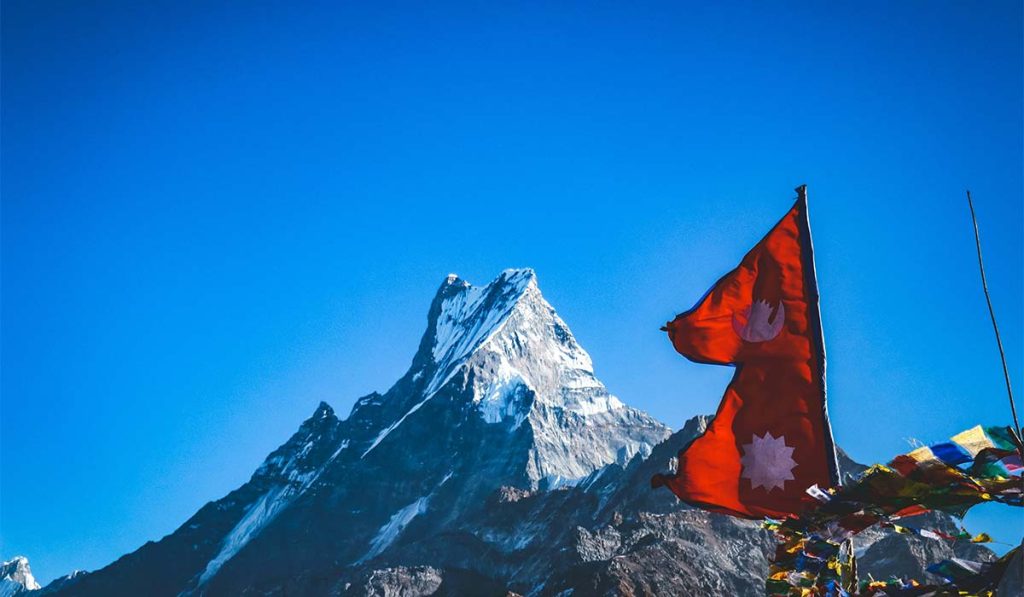
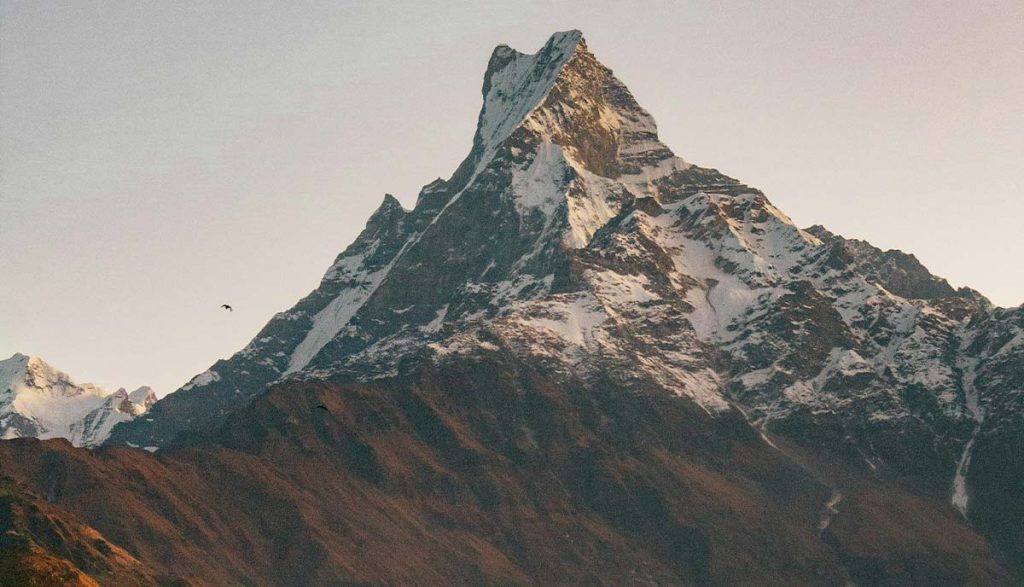
Mardi Himal delivers more dramatic close-range mountain views. Machhapuchhre dominates much of the route, and the higher sections feel strikingly alpine for a trek of this length. On clear days, the ridge beyond High Camp gives a powerful sense of walking into the heart of the Annapurna region. The scenery feels sharper, wilder, and more immersive.
Poon Hill offers one of Nepal’s most famous panoramic viewpoints. From the top, especially at sunrise, you can see a broad sweep of peaks including Annapurna South, Dhaulagiri, Machhapuchhre, and Hiunchuli. The reward is not about being deep in the mountains but about witnessing a wide Himalayan skyline from an accessible viewpoint.
So which has better views? If you prefer close-up, dramatic ridge scenery, Mardi Himal usually wins. If you want iconic panoramic mountain photography with a famous sunrise moment, Poon Hill has the advantage.
Trail atmosphere and crowd level
Mardi Himal usually feels quieter.
Although it has become more popular in recent years, it still tends to be less crowded than Poon Hill, especially outside major holiday periods. Once you leave the lower villages and move higher onto the ridge, the experience becomes more focused on landscape and silence. Many trekkers appreciate that sense of space.
Poon Hill is one of the busiest short treks in Nepal. That popularity exists for a reason: it is scenic, accessible, and beginner-friendly. But during peak trekking seasons, especially spring and autumn, the trail can feel busy. Teahouses are lively, viewpoints are active before sunrise, and you are unlikely to have long stretches to yourself.
Some trekkers enjoy that social energy. Others come to the mountains for solitude and find Mardi Himal more satisfying.
Time required and route flexibility
Both treks fit well into a short Nepal itinerary, but Poon Hill is usually easier to complete in fewer days.
The Poon Hill Trek is commonly done in 4 to 5 days from the trailhead, depending on your starting and ending points. It works well for travelers who have limited time or want to combine trekking with sightseeing in Pokhara or Chitwan.
Mardi Himal is often done in 5 to 7 days. Fast trekkers can shorten it, but rushing is not always wise, especially if you want to enjoy the viewpoint properly and avoid unnecessary fatigue. The route benefits from a slightly more relaxed pace.
If your trip schedule is tight, Poon Hill fits more easily. If you can spare an extra day or two and want a stronger mountain experience, Mardi Himal makes good use of that time.
Altitude and acclimatization
Neither trek reaches an extreme high altitude by Nepal trekking standards, but Mardi Himal goes higher and deserves more caution.
Poon Hill sits at about 3,210 meters, which is high enough that some trekkers may feel shortness of breath or mild discomfort, but serious altitude issues are less common. Most people ascend and descend quickly without major problems.
Mardi Himal Viewpoint reaches much higher, often around 4,200 meters or more depending on the exact turnaround point. That increase matters. Even on a short itinerary, some trekkers notice headaches, poor sleep, appetite loss, or fatigue near High Camp.
This does not make Mardi Himal unsafe, but it does mean you should not underestimate it. Walk steadily, hydrate well, and avoid trying to “race” to the top. If you have had altitude issues before, Poon Hill is the gentler option.
Accommodation, food, and comfort
Poon Hill is more comfortable overall.
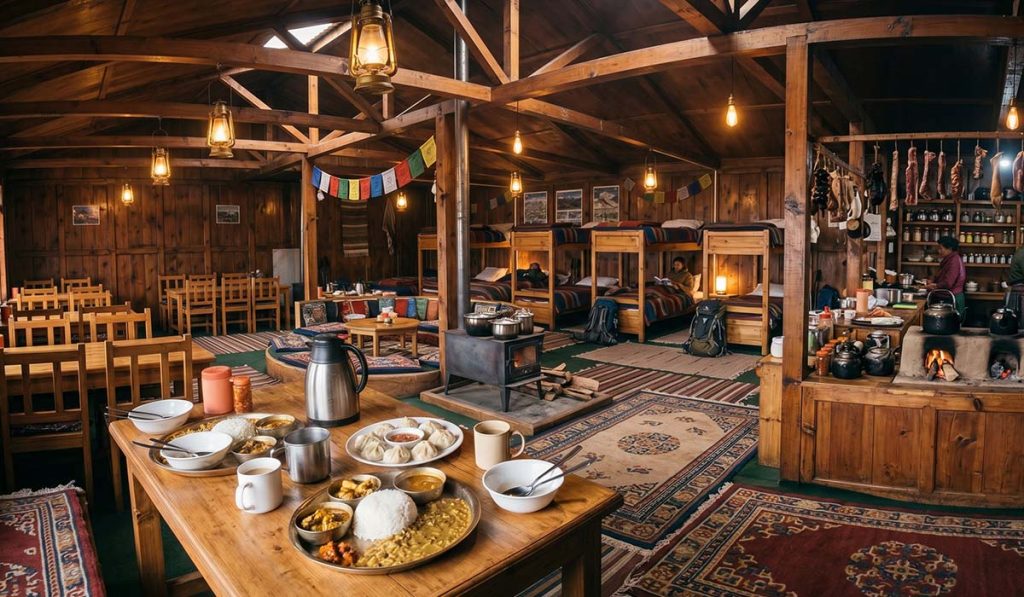
The route passes through larger and more established villages with a long history of trekking hospitality. Teahouses are widely available, rooms are generally reliable, and food choices can be broader. For trekkers who value comfort, warm dining rooms, and smoother logistics, Poon Hill is easier.
Mardi Himal also has teahouses, but as you go higher, the options become more basic. Facilities are improving, yet the upper trail still feels simpler and more limited than the Poon Hill route. This is part of its appeal for some trekkers, but less so for those who want the most comfortable introduction to trekking in Nepal.
If you are trekking with family members, older travelers, or anyone uncertain about rustic conditions, Poon Hill usually works better.
Cultural experience and village feel
Poon Hill has a stronger village and cultural element.
The trek passes through well-known Gurung and Magar settlements, and the rhythm of the route is shaped by villages, farmland, forests, and community life. You get a clearer sense of living in mountain landscapes rather than only moving toward a high viewpoint.
Mardi Himal includes forest and settlement sections too, but its identity is more about the ridge journey and mountain setting than village immersion. The higher you go, the more the trek becomes about terrain and views.
If local village atmosphere matters as much as mountain scenery, Poon Hill often feels richer.
Best season for each trek
Both treks are best in spring and autumn.
Spring, from March to May, brings rhododendron bloom, greener hills, and generally good visibility, though haze can affect some views later in the season. This is especially lovely on Poon Hill, where forests and village surroundings add to the experience.
Autumn, from late September to November, usually offers the clearest skies and the most stable conditions. Both treks are excellent at this time, and mountain views are often at their sharpest.
Winter is possible on both routes, but Mardi Himal becomes more serious because of colder temperatures and possible snow higher up. Monsoon is less ideal for both due to rain, leeches, cloud cover, and slippery trails.
Cost and logistics
Neither trek is among the most expensive in Nepal, but Poon Hill can be slightly easier to manage on a tighter budget because of shorter itineraries and more competition among teahouses.
Mardi Himal may cost a bit more if your itinerary is longer or if transport and guide arrangements are less flexible. In both cases, total cost depends on whether you trek independently or with a guide, your transport choices, and the season.
From a planning point of view, both are straightforward from Pokhara. That is one reason they remain top choices for short treks in Nepal.
Who should choose Mardi Himal and who should choose Poon Hill?
Choose Mardi Himal if you want a short trek that still feels adventurous, scenic, and slightly more remote. It suits trekkers who are fit, comfortable with basic facilities, and excited by ridge walking and closer mountain views.
Choose Poon Hill if this is your first trek in Nepal, if you want a lower-risk altitude profile, or if comfort and village atmosphere matter as much as the peaks. It is also an excellent choice for mixed-ability groups.
For many travelers, the real answer is simple. Mardi Himal feels more like a compact mountain trek. Poon Hill feels more like a classic Himalayan introduction. Neither is the wrong choice. The best one is the trek that matches your body, your time, and the kind of memory you want to take home.