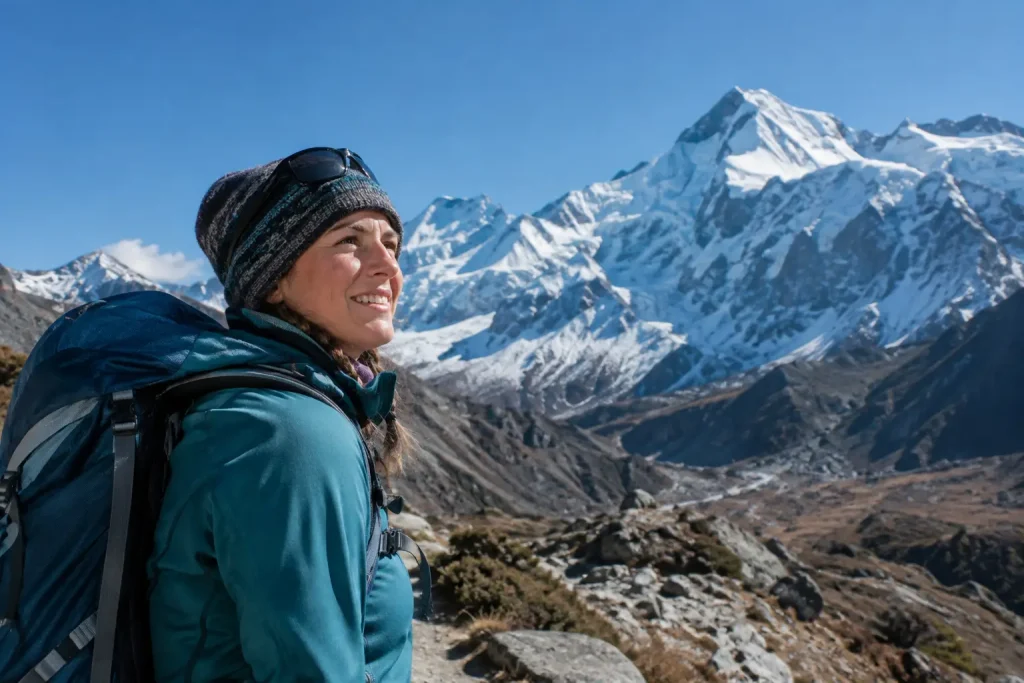
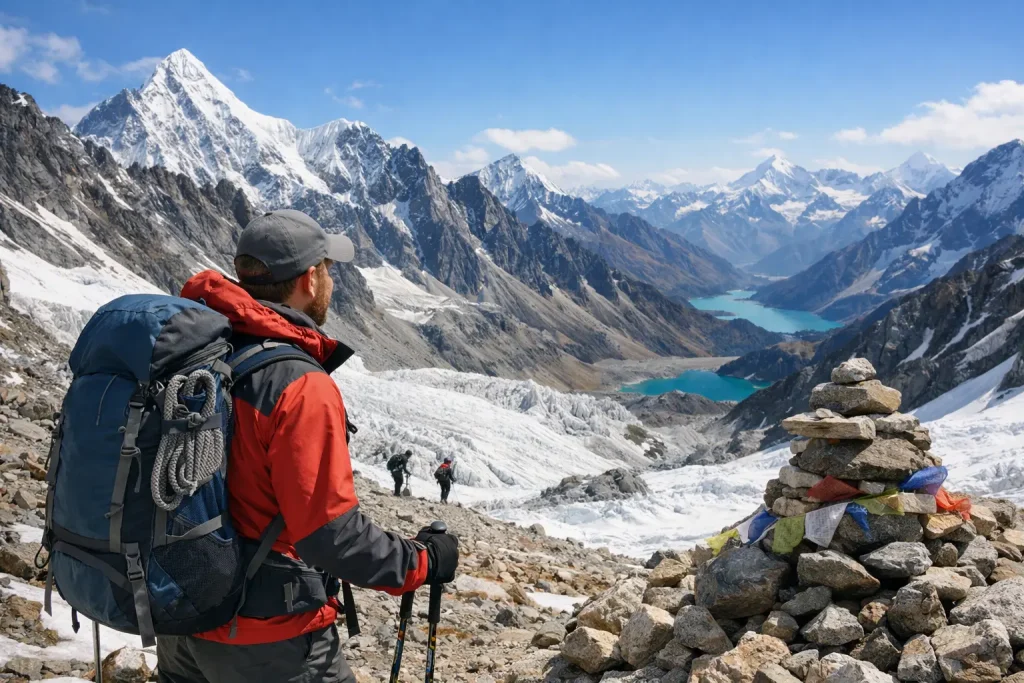
A Nepal trek can look straightforward on a map: follow a marked valley, sleep in teahouses, and reach a famous viewpoint or base camp. On the ground, conditions change quickly. Nepal guides help travelers manage the parts of a Himalayan trip that are hardest to judge from home, including altitude symptoms, weather delays, route changes, permits, and the practical rhythm of trekking day after day.
For some routes and travelers, hiring a guide is a clear safety decision. For others, particularly on established lower-elevation trails, it may be a matter of confidence, logistics, and personal preference. The right answer depends on your route, season, previous high-altitude experience, and tolerance for managing uncertainty yourself.
What Nepal Guides Actually Do
A qualified trekking guide does more than point toward the next village. Their primary value is judgment. They set a realistic daily pace, recognize when a trekker may need more acclimatization time, coordinate lodging, communicate with local operators, and adjust plans when weather, trail conditions, or health concerns change.
On a trek such as Everest Base Camp, the Annapurna Circuit, Manaslu Circuit, or the Everest Three Passes, a guide also reduces the mental workload of travel. You do not need to negotiate every room, interpret every transport disruption, or make every route decision while tired and cold. That does not remove the physical challenge, but it lets you focus more consistently on your hiking, hydration, food, and recovery.
A guide is not a substitute for personal preparation. You still need suitable fitness, warm layers, appropriate insurance, and a basic understanding of altitude illness. The strongest guide-client relationship is collaborative: the guide provides local expertise and risk awareness, while the trekker communicates honestly about fatigue, headaches, appetite, sleep, and any medical concern.
Guide, porter, and porter-guide are different roles
Travelers sometimes use these terms interchangeably, but they describe different jobs. A trekking guide leads the route and manages daily logistics. A porter carries a portion of your gear, allowing you to trek with a lighter daypack. A porter-guide may carry a smaller load while providing basic route support, often on more established routes.
For a first high-altitude trek, choosing the least expensive support option is not always the best decision. A porter-guide can be appropriate for an experienced, self-reliant hiker on a popular trail, but a full guide is usually the stronger choice for complex itineraries, remote regions, winter travel, or anyone uncertain about altitude management.
When Hiring a Guide Makes Sense
Guided support is especially valuable if this is your first trek above about 10,000 feet, even if you are a strong day hiker. Fitness helps you handle long uphill days, but it does not predict how your body will respond to reduced oxygen. A guide can help keep an eager trekker from moving too fast early in the itinerary, which is one of the most common preventable mistakes in Nepal.
Remote and restricted-area treks also create a stronger case for professional support. Manaslu, Upper Mustang, Tsum Valley, Kanchenjunga, and Makalu have more demanding logistics than the busiest teahouse routes. Some areas have specific permit and guide requirements, and policies can change. A local trekking operator should confirm current rules before you make nonrefundable flight or hotel arrangements.
A guide is also useful when your travel window is tight. Independent trekking can work well when you have several buffer days and are comfortable changing plans. If you have a fixed international departure, a guide can help organize transport, lodging, and route adjustments efficiently when flights are delayed or a pass closes after snow.
When Independent Trekking May Be Reasonable
Independent trekking can be a sensible option on well-developed routes such as the Ghorepani Poon Hill Trek, parts of the Annapurna region, or the Langtang Valley Trek, provided current local regulations allow it. These trails have frequent villages, established teahouses, and a steady flow of other trekkers during the main seasons.
Still, independence should not be confused with simplicity. You will need to handle permits, transportation, cash, accommodation, water treatment, navigation, and health decisions yourself. Trail signage and mobile service can be inconsistent, especially outside the busiest villages. If you are trekking independently, carry offline maps, allow extra days, and know the symptoms that require stopping or descending.
The best candidates for independent trekking generally have prior multiday hiking experience, a conservative approach to altitude, flexible schedules, and comfort solving travel problems without immediate support. If any of those pieces is missing, a guide may be worth far more than the daily cost.
Altitude Is the Main Safety Question
Most serious trekking decisions in Nepal center on altitude rather than trail technicality. Acute mountain sickness can affect fit, experienced hikers as well as beginners. No guide can guarantee that you will acclimatize well, but an experienced one can identify concerning patterns before they become emergencies.
A mild headache alone may be manageable with rest, fluids, food, and close observation. A worsening headache combined with nausea, loss of coordination, confusion, unusual shortness of breath, or a persistent cough needs immediate attention. The fundamental treatment for significant altitude illness is not pushing onward with medication. It is stopping ascent and, when symptoms are worsening or severe, descending.
Ask a prospective guide how they handle acclimatization days, what symptoms make them change the plan, and how they coordinate evacuation. Clear answers matter more than promises that you will reach a particular viewpoint on a particular date.
How to Choose a Trekking Guide
Start by looking for a properly licensed guide working through a legitimate Nepal trekking company. Ask about experience on your exact route, not just general years in tourism. Everest Base Camp, the Annapurna Circuit, and Upper Mustang all require different knowledge of terrain, weather patterns, cultural norms, and transportation.
Before booking, discuss the itinerary in detail. A responsible plan includes gradual elevation gain, built-in acclimatization time where needed, and contingency days. Be cautious if an itinerary is significantly shorter than standard schedules for a high-altitude route. A compressed plan can turn a manageable trek into an unnecessary altitude gamble.
You should also clarify what the price includes. Confirm guide wages, insurance, meals, accommodation, transport, permits, and whether a porter is included. Ethical trekking means ensuring staff have appropriate clothing, footwear, insurance, and realistic load limits. Low advertised prices can sometimes shift costs or risks onto workers after the trek begins.
Communication style matters as well. Your guide should be comfortable discussing health concerns directly and should never pressure you to continue when you are unwell. The best guides are calm, observant, and practical. They do not dramatize routine discomfort, but they do not dismiss warning signs.
Seasonal Conditions Change the Value of a Guide
Spring and fall are the main trekking seasons because weather is generally more stable and teahouses are fully active. They are also busy. A guide can secure lodging during crowded periods and help keep the day organized when villages fill early.
Winter brings quieter trails and clear mountain views, but cold temperatures, snow, and closed high passes can complicate plans. Monsoon season brings rain, leeches in lower regions, clouds, flight disruption, and occasional landslides. In both seasons, local knowledge becomes more valuable, particularly on routes with high passes or limited infrastructure.
If your goal is a remote trek or a high pass, do not select dates based only on cheaper flights. Choose a season that gives your itinerary a reasonable weather margin, then decide whether guided support matches the added uncertainty.
Questions to Ask Before You Commit
Ask whether the guide has recently completed your intended route, how they build acclimatization into the schedule, and what they do if a client develops altitude symptoms. Ask who arranges permits and transportation, whether emergency communication is available, and what happens if bad weather creates delays.
You should also ask about group size. A small group usually receives more individual attention, while larger groups can be social and cost-effective but may move at a pace that does not suit everyone. There is no universally correct group size. The important point is that the operator has a clear process for slower hikers and changing conditions.
A Nepal trek rewards preparation more than bravado. Choose a guide when the route, altitude, season, or your own experience level calls for extra judgment on the trail. The mountain will still demand effort, but a well-planned team gives you more room to enjoy the reason you came: walking steadily through the Himalaya with the confidence to make good decisions when the plan changes.