If you want big Himalayan views without committing to the full Everest Base Camp trail, the Pikey Peak Trek with Everest View Extension is one of the smartest choices in Nepal. It gives you a quieter trekking route, a strong cultural experience, and a realistic chance to see Everest, Lhotse, Makalu, and the surrounding giants from excellent viewpoints – all in a shorter itinerary than the classic Khumbu trek.
What makes this trek especially appealing is the balance. Pikey Peak is already known for one of the best panoramas in the lower Everest region, but the extension toward the Everest viewpoint section adds more mountain exposure and gives the route a stronger sense of progression. For trekkers who want fewer crowds, moderate altitude, and more value from each walking day, this combination deserves serious attention.
Why choose Pikey Peak Trek with Everest View Extension
Many trekkers first look at Everest Base Camp because it is famous. The problem is that not everyone has the time, budget, or interest for a longer and busier route. Pikey Peak offers a very different experience. Trails are generally quieter, villages feel less commercial, and the walking remains manageable for people with decent fitness.
Adding the Everest view extension makes the trek more complete. Instead of trekking up to Pikey Peak and returning on a simple exit route, you continue through more of the lower Solu and Everest landscape, often linking scenic ridgelines, Sherpa settlements, forests, and extra viewpoints. That matters because the weather in the Himalayas is never guaranteed. If clouds cover the main summit morning at Pikey, the extension gives you more opportunities for clear mountain views on later days.
This route also suits trekkers who care about culture as much as scenery. You pass through villages influenced by both Sherpa and hill communities, visit monasteries, and walk through terrain that changes steadily from farmland and forest to open high ridges. It feels like a real journey rather than a single-viewpoint hike.
Route overview and how the extension works
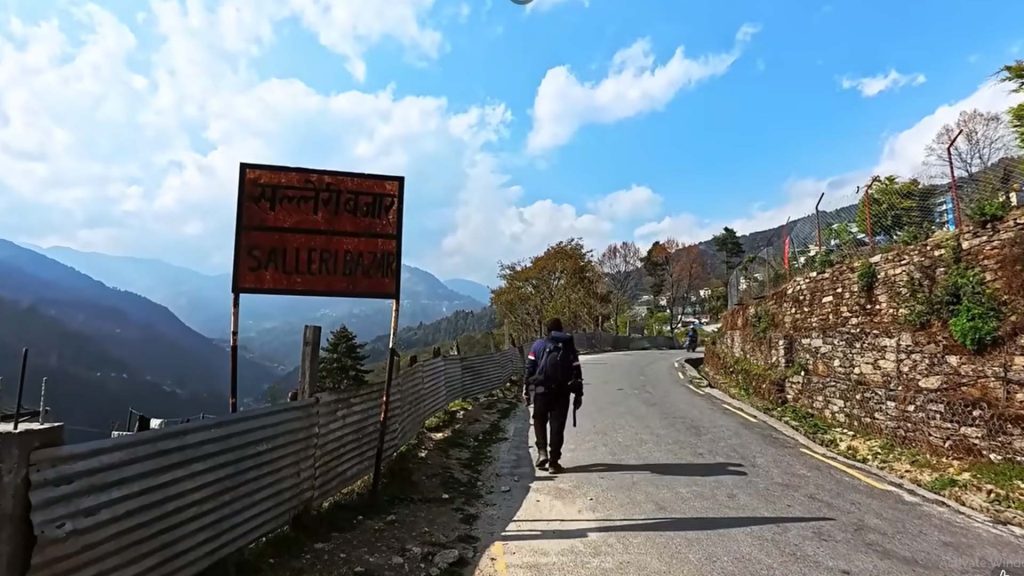
A standard Pikey Peak trek usually begins with a drive from Kathmandu toward the lower Solu area, often via Dhap or a nearby trailhead. From there, the trail climbs gradually through local settlements, forests, and grazing country to Jhapre, Pikey Base Camp, and then Pikey Peak itself, which sits at about 4,065 meters.
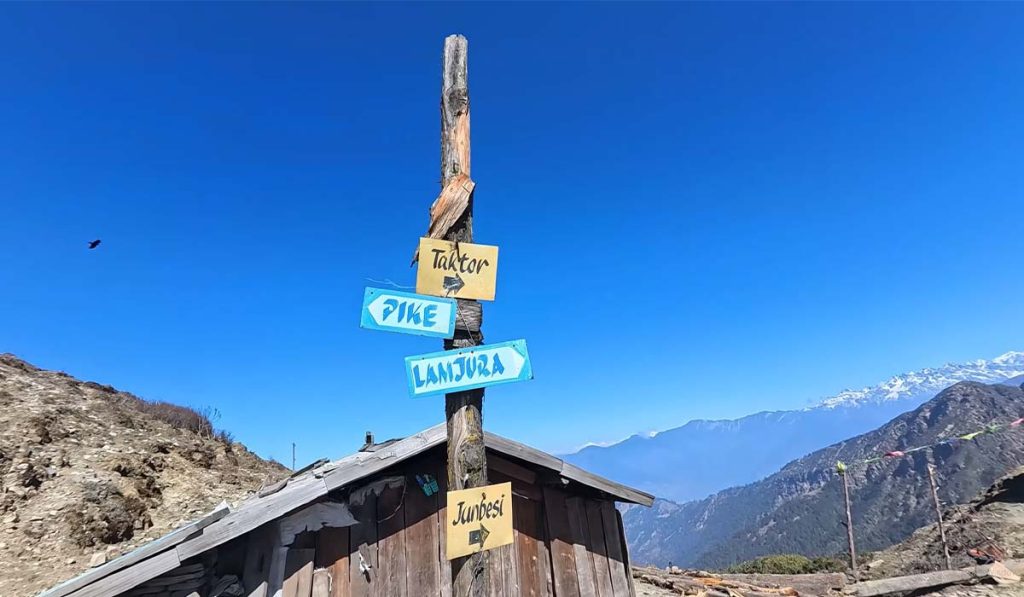
The Everest view extension usually continues beyond the core Pikey section rather than turning directly back. Depending on the exact itinerary, the trail may move toward Junbesi, Thupten Chholing, Phaplu, or another scenic line that improves your chances of seeing the Everest range from additional vantage points. Some itineraries emphasize monastery visits and village experience, while others focus more on ridgeline walking and mountain scenery.
This is where local planning matters. The same trek name can describe slightly different route designs. Some operators keep the extension short and scenic. Others build in more cultural stops. For trekkers comparing itineraries, the real question is not just total days but where the overnight stops are and whether the route gives enough time at the best viewpoints.
What you will actually see on the trail
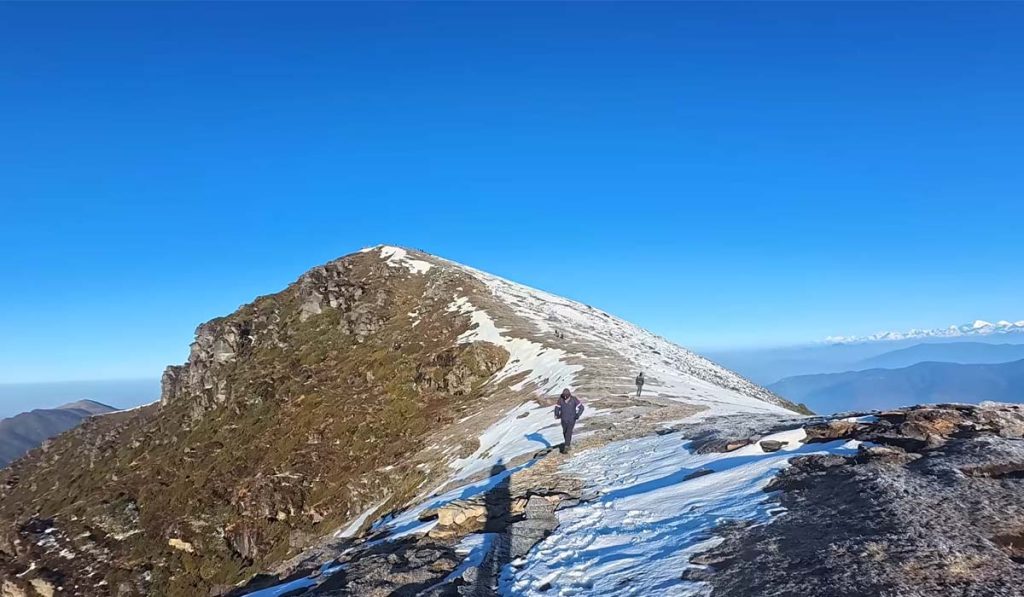
Pikey Peak itself is the headline viewpoint, and for good reason. On a clear morning, the sunrise panorama can be exceptional. Everest appears in a long line of major Himalayan summits rather than as an isolated peak, which many trekkers find more impressive than expected. You may also see Kanchenjunga far to the east in favorable conditions, along with Makalu, Lhotse, Nuptse, and Gauri Shankar.
But this trek is not only about one summit morning. The lower trail has a softer beauty that many visitors remember just as strongly. You walk through rhododendron forest, stone villages, yak pastures, prayer walls, and quiet hillsides with broad views opening between the trees. In spring, the forests add color. In autumn, the skies are usually sharper and the long mountain skyline feels especially dramatic.
The Everest view extension adds depth because it stretches the experience beyond the main climb. Instead of feeling that the trek peaks too early, you continue through attractive country where monasteries, local life, and secondary viewpoints keep the route rewarding.
Difficulty and altitude reality
The Pikey Peak Trek with Everest View Extension is moderate, but that does not mean effortless. Most walking days are manageable for trekkers with average fitness, though there are plenty of uphill sections and some long descents. The high point is lower than many major Nepal treks, which makes altitude easier to handle than on routes like Everest Base Camp, Gokyo, or the Annapurna Circuit.
That said, 4,000 meters is still high enough to demand respect. Some trekkers assume that because the route is shorter and lower, acclimatization is not an issue. That is a mistake. Good pacing, hydration, and sensible overnight stops still matter. Headache, poor sleep, and loss of appetite can happen even on moderate-altitude treks.
This route is often a strong option for first-time Himalayan trekkers, but only if they approach it with realistic expectations. If you already hike regularly, can handle several days of steady ascent, and are comfortable with basic teahouse conditions, you are likely to enjoy it. If you want a luxury hiking trip with short walks and guaranteed comfort, this is probably not the right match.
Best season for clear mountain views
Autumn and spring are the strongest seasons. From late September to November, post-monsoon skies are usually the clearest, and this is often the best window for wide Himalayan views. Trails are dry, temperatures are stable, and morning visibility is often excellent.
Spring, especially from March to May, is another very good season. Rhododendrons bloom at lower elevations, and the weather is generally favorable. Haze can be a little more common than in autumn, particularly on warmer afternoons, but mornings are often very good.
Winter treks are possible if you are prepared for cold nights and occasional snow on the higher sections. The upside is quieter trails and, at times, very crisp views. Monsoon is the least favorable season for this route because clouds, rain, leeches in lower areas, and muddy trails can affect both comfort and visibility.
Permits, accommodation, and daily logistics
One reason this trek appeals to many travelers is that logistics are simpler than in the upper Khumbu. Access is generally by road rather than a mountain flight, which reduces cost and avoids Lukla flight disruptions. Road conditions can be rough, though, so trekkers should be prepared for a long drive.
Accommodation is usually in local teahouses or basic lodges. Expect simple rooms, shared dining spaces, and straightforward meals such as dal bhat, noodles, potatoes, rice dishes, soup, eggs, and tea. Comfort varies by village. In some stops, facilities are improving. In others, they remain very basic. If you value authentic trail experience, this is part of the charm. If you need private bathrooms and heated rooms every night, expectations should be adjusted before you go.
Permit requirements can change, so current checking is always important. In general, this route is more straightforward than heavily regulated restricted areas, but you should still confirm what is needed for your exact itinerary and region entry points.
How many days do you need?
Most trekkers should plan around 7 to 10 days, depending on the trailhead, route design, transportation days, and how substantial the Everest view extension is. A shorter schedule can work if you are fit and comfortable with longer walking days, but rushing this trek reduces what makes it special.
The better itineraries allow time to enjoy Pikey Peak sunrise, move gradually through villages, and include at least one meaningful extension section rather than treating it as a quick add-on. If you have more time, adding Junbesi or a monastery visit can improve the cultural side of the trek considerably.
Who this trek is best for
This route fits trekkers who want strong Everest-region scenery without the length and crowd level of the main Khumbu trails. It is also a smart choice for people who have already done one classic Nepal trek and want something more offbeat but still rewarding.
Photographers often enjoy it because the ridgeline views are wide and uncluttered. First-time visitors to Nepal like it because the altitude is more forgiving. Repeat trekkers appreciate that it still feels local and less rushed. The only real trade-off is that you do not get the same high-alpine drama or iconic checkpoints as Everest Base Camp. For some travelers, that is a drawback. For many others, it is exactly the reason to choose it.
If you want practical mountain days, real village atmosphere, and a genuine chance to see Everest without committing to a longer expedition-style trek, this route is one of Nepal’s most underrated answers. Plan it with enough time, keep your expectations grounded, and the views from those Solu ridges will do the rest.