If you want big Himalayan views without committing to a long expedition, the question comes up quickly: Is Pikey Peak the Best Short Trek in Nepal? For many trekkers, the answer is yes – but only if you value mountain panoramas, quieter trails, and a shorter itinerary more than high-altitude drama or famous teahouse circuits.
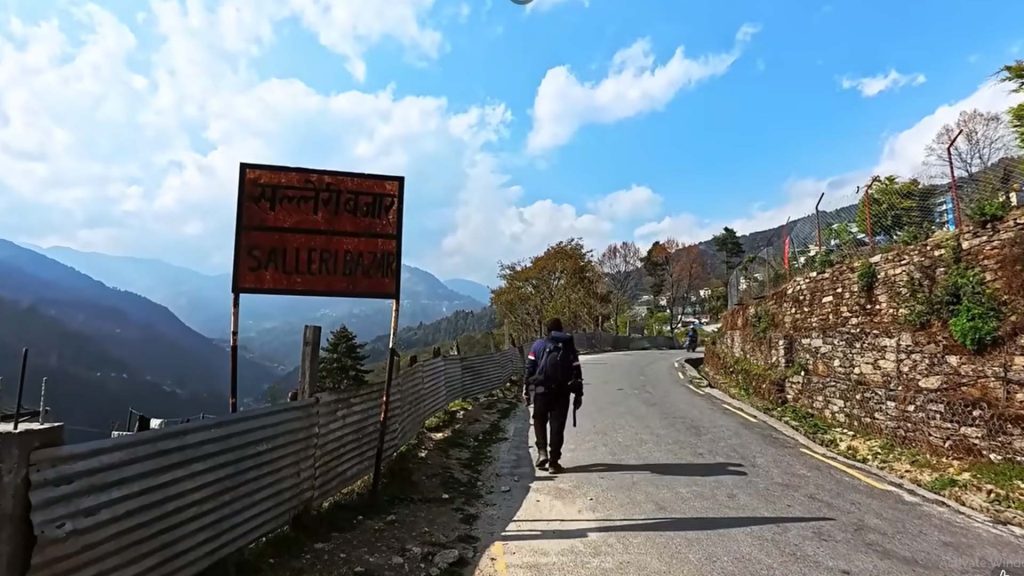
Pikey Peak trek in the lower Everest region feels very different from the busy route to Everest Base Camp. You are not walking in a crowd, and you do not need two weeks to get a rewarding experience. In just a few days, you can move through villages, forests, open ridges, and viewpoint terrain that delivers one of the finest sunrise panoramas in Nepal.
That said, “best” depends on what kind of trekker you are. Some travelers want solitude and straightforward logistics. Others want the prestige of a major trail, deeper cultural immersion, or the challenge of higher elevation. Pikey Peak is excellent, but it is not automatically the right choice for everyone.
Why Pikey Peak stands out
The strongest argument for Pikey Peak is simple: the reward comes fast. On many short treks in Nepal, you either sacrifice mountain views, spend too much time on roads, or finish feeling that the route ended just as it was getting interesting. Pikey Peak avoids that problem. Even with a compact itinerary, the trek feels complete.
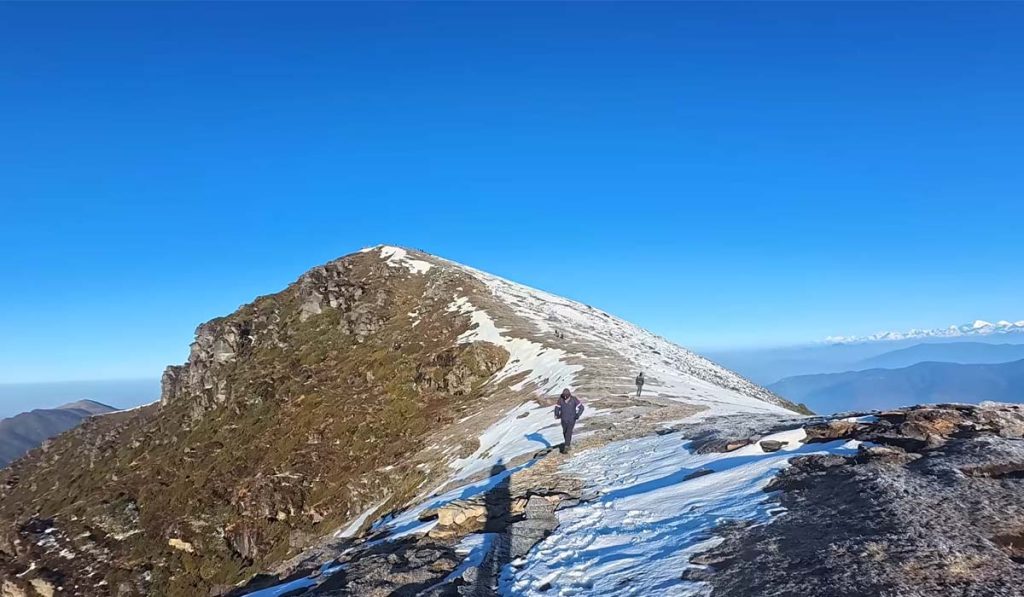
The route usually takes around 5 to 7 days, depending on your starting point, pace, and transport choices. That makes it ideal for trekkers with limited time who still want a real Himalayan trail experience. You are not just doing a day hike from a roadside lodge. You are moving through a changing landscape and reaching a true summit viewpoint at around 4,065 meters.
The views are another major reason people remember this trek so strongly. From the top, you can see a long Himalayan line that may include Everest, Lhotse, Makalu, and Kanchenjunga on a clear day, along with many other peaks. The sunrise from Pikey Peak is the kind of moment that makes a short trek feel much bigger than it is.
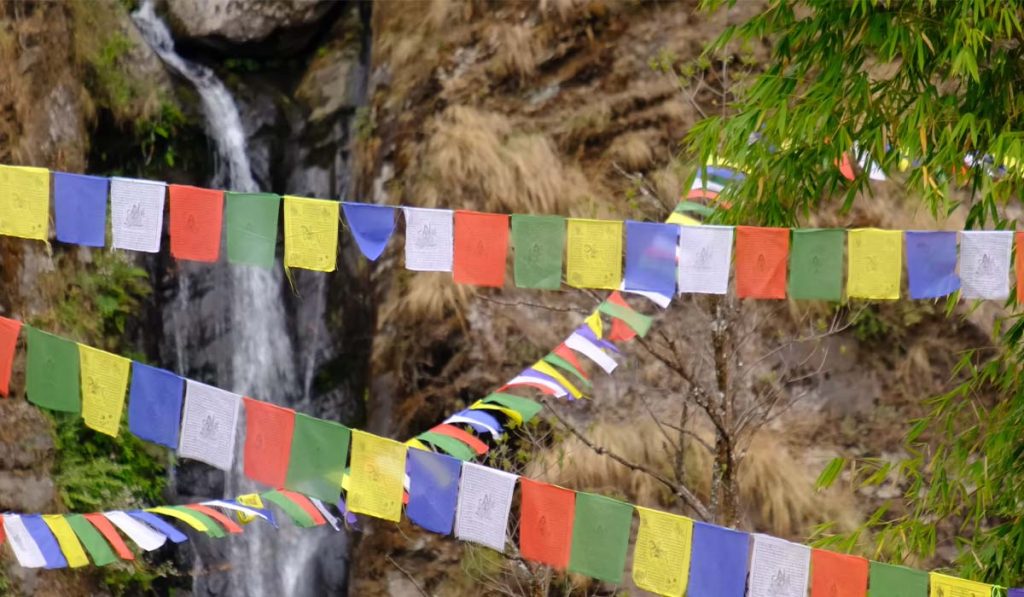
There is also a strong cultural side to the route. The trail passes through Sherpa and other local communities, with monasteries, prayer flags, and traditional village life adding depth to the journey. It feels more grounded and less commercial than some of Nepal’s better-known trekking corridors.
Is Pikey Peak the best short trek in Nepal for mountain views?
If your first priority is panoramic mountain scenery in a short time, Pikey Peak deserves to be near the top of the list. There are other short treks with excellent views, but very few combine accessibility, scale, and relative quiet as well as this one.
Poon Hill is the obvious comparison because it is also famous for sunrise views and works well for shorter itineraries. Poon Hill is easier to access from Pokhara and suits a wider range of fitness levels, but it is also busier and lower. The mountain panorama is beautiful, especially over the Annapurna and Dhaulagiri ranges, yet Pikey Peak often feels wilder and more expansive.
Mardi Himal is another strong competitor. It gives trekkers a closer, more dramatic mountain feel, especially near the upper viewpoint. For some people, that close-up experience is more thrilling than the broad horizon from Pikey Peak. But Mardi can feel more physically demanding for the time involved, and the trail traffic is usually heavier.
Langtang Valley is outstanding, but it is not really in the same short-trek category unless you move quickly. It generally asks for more days. Everest View-style short treks also offer iconic scenery, but they often depend on flying to Lukla, which adds cost and weather uncertainty.
So if your definition of the best short trek is maximum Himalayan payoff for a moderate time investment, Pikey Peak has a very strong case.
Where Pikey Peak is better than the famous treks
One of the biggest advantages of Pikey Peak is that it stays away from the pressure of Nepal’s most crowded routes. On classic trails such as Everest Base Camp or Annapurna Base Camp, the landscapes are superb, but the popularity changes the experience. During peak season, accommodation fills quickly, dining rooms become noisy, and the trail can feel more social than remote.
Pikey Peak usually offers a quieter rhythm. You can walk for longer stretches without constant traffic. Villages feel less shaped by mass trekking. For many travelers, especially those coming to Nepal for mountain peace rather than a bucket-list checklist, this matters a lot.
The logistics can also be simpler in some ways. You generally avoid domestic mountain flights, which means less risk of schedule disruption. Road access is not glamorous and can be long, but it is often more predictable than depending on Lukla flights in unstable weather.
Cost is another point in Pikey Peak’s favor. A shorter itinerary without flights and with fewer premium-route expenses can make the trek more budget-friendly than the big-name alternatives. That does not make it cheap in every case, but it often offers better value for travelers who want scenery and trekking substance without paying for fame.
Where Pikey Peak is not the best
Pikey Peak is not the best short trek in Nepal for every traveler, and it helps to be honest about that.
If you want a high-energy teahouse atmosphere with lots of fellow trekkers, this route may feel too quiet. Some travelers enjoy meeting many others on the trail, sharing stories in lodges, and being part of a more established trekking scene. Pikey Peak is better for those who like a calmer environment.
If your dream is to walk beneath giant ice walls, cross dramatic high passes, or reach a globally recognized destination like Everest Base Camp, Pikey Peak will not replace that feeling. The trek is scenic, but it is not extreme. Its strength is balance, not raw intensity.
Accommodation can also be more basic than on Nepal’s major trekking highways. In recent years, lodge standards have improved in many places, but you should still expect simpler facilities than on the most commercial routes. For some trekkers, that adds charm. For others, it is a drawback.
Road travel is another trade-off. Depending on your itinerary, getting to and from the trailhead may involve long drives. If you strongly prefer quick access, a route from Pokhara or one linked to a short domestic flight may suit you better.
Difficulty, altitude, and who it suits best
Pikey Peak is manageable for many fit beginners, but it should not be underestimated. The trail involves sustained uphill walking, uneven paths, and high enough altitude to require sensible pacing. At just over 4,000 meters, the summit is much lower than many famous Himalayan treks, yet altitude can still affect people.
This is one reason the trek works so well for travelers who want a first multi-day trek in Nepal. It gives a meaningful mountain experience without pushing into very demanding expedition-style terrain. If you arrive with reasonable fitness, walk steadily, and allow proper acclimatization within the itinerary, the route is achievable for a broad range of trekkers.
It is especially well suited to people who have around a week, prefer moderate challenge, and care more about quality of experience than ticking off a famous destination. Couples, solo trekkers with guide support, photographers, and repeat visitors to Nepal often enjoy it for exactly those reasons.
Best season and planning reality
Spring and autumn are generally the best seasons for Pikey Peak. In spring, rhododendron forests can add extra color to the trail, while autumn usually brings stable weather and sharp mountain visibility. Winter can also be rewarding if you are prepared for cold conditions and possible snow near the top. Monsoon is less ideal because clouds and rain can hide the very views people come to see.
A practical itinerary matters more than many first-time trekkers realize. Trying to rush the trek can reduce enjoyment and increase fatigue, especially if road transfers are long. A well-planned route gives you time to enjoy the villages, sleep properly, and reach the viewpoint in good condition rather than dragging yourself there in poor weather or low energy.
This is where local trekking knowledge makes a difference. Trail condition, lodge availability, transport timing, and seasonal visibility all shape the experience. A short trek leaves less room for planning mistakes.
So, is Pikey Peak the best short trek in Nepal?
For trekkers who want outstanding Himalayan views, fewer crowds, moderate difficulty, and a genuine village-to-ridge trekking experience in under a week, Pikey Peak may well be the best short trek in Nepal. It gives more depth than many short routes and more peace than many famous ones.
But the best trek is always personal. If you want the easiest short classic, Poon Hill may suit you better. Likewise, if you want a closer mountain feel, Mardi Himal might win. If you want a famous Everest route, a short Everest trek will be more iconic.
Pikey Peak stands out because it gets the balance right. It is scenic without being overrun, accessible without feeling ordinary, and short without feeling rushed. For many trekkers planning Nepal carefully, that balance is exactly what makes a route worth choosing.