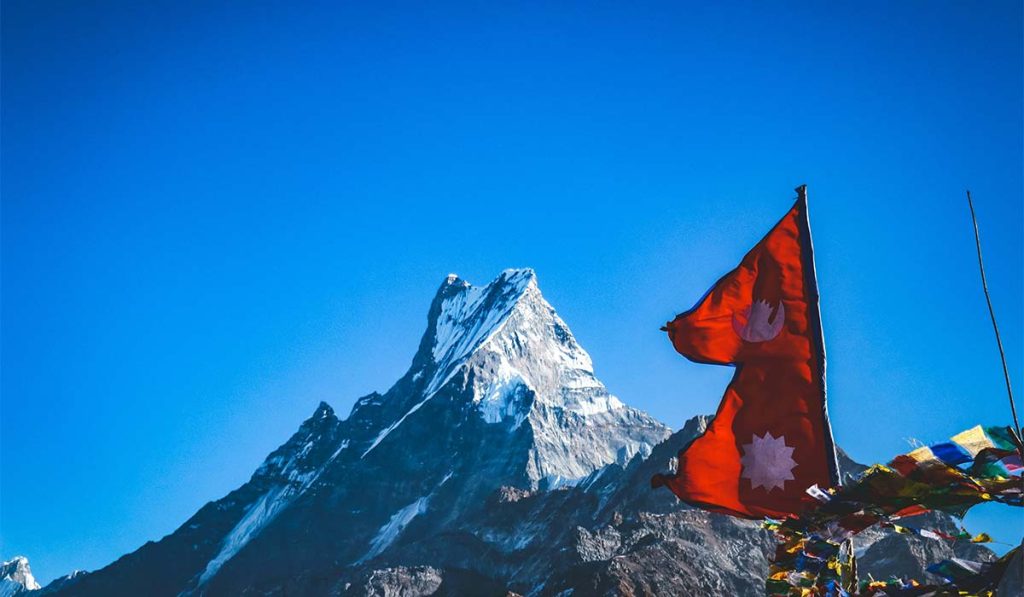
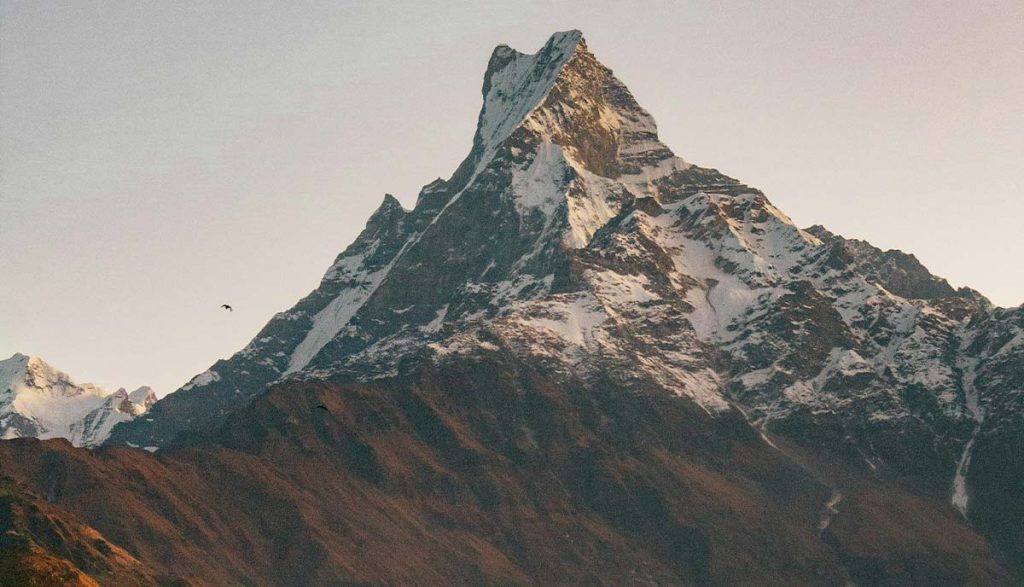
Many trekkers underestimate Mardi Himal because the itinerary is shorter than Everest Base Camp or Annapurna Circuit. That is a mistake. Training before Mardi Trek matters because this route still includes long uphill sections, repeated stone steps, changing trail conditions, and enough altitude to expose weak fitness or poor pacing.
Mardi Himal Trek is often described as a moderate trek, and that is broadly true. But moderate in Nepal does not always feel moderate if you come from sea level, sit at a desk all week, or have never hiked several days in a row. The route climbs through forest, ridge trails, and exposed high ground, and the higher you go, the more every uphill section feels heavier. Good preparation does not make the trek effortless, but it does make it safer, more comfortable, and far more enjoyable.
How fit do you need to be for Mardi Himal Trek?
You do not need to be an athlete to complete Mardi Himal Trek. Most healthy people with decent preparation can do it. What you do need is enough endurance to walk for 5 to 7 hours on consecutive days, enough leg strength to deal with steep ascents and descents, and enough recovery capacity to wake up and do it again the next morning.
This is where many people misjudge trekking fitness. They focus only on whether they can walk a long distance on flat ground. Trekking in Nepal is different. Elevation gain, uneven surfaces, and altitude place a different load on the body. A person who runs 5 kilometers comfortably may still struggle on a steep uphill trail if they have not trained their legs and lungs for sustained climbing.
If you can already hike regularly, handle stairs without excessive fatigue, and stay active several days each week, you are starting from a good place. If not, you should give yourself a training window of at least 6 to 8 weeks before the trek.
What training before Mardi Trek should focus on
The best preparation is specific preparation. You are training for repeated uphill walking with a daypack, not for a bodybuilding contest and not for a one-hour gym session. Your training should build endurance first, then add climbing strength, then improve stability and recovery.
The main areas to focus on are cardiovascular endurance, leg strength, core stability, and walking efficiency. Endurance helps you keep moving for hours without burning out early. Strength helps protect your knees and hips on steep terrain. Core stability improves balance on uneven trails. Walking efficiency helps you pace yourself instead of wasting energy.
If you only have time for three things, do these consistently: brisk uphill walking, stair climbing, and long walks with a loaded backpack. Those three sessions mimic the demands of the trek better than many complicated gym routines.
A practical 8-week training plan
A simple plan works better than an ambitious one you cannot maintain. For most trekkers, four to five training days per week is enough.
Weeks 1-2: Build your base
Start with three cardio sessions each week for 30 to 45 minutes. Brisk walking, incline treadmill walking, easy jogging, cycling, or hiking all work. Keep the effort steady, not maximal.
Add two basic strength sessions each week. Focus on squats, lunges, step-ups, calf raises, and planks. Bodyweight is fine at first. The goal is control and consistency, not heavy lifting.
On the weekend, do one longer walk or hike of 60 to 90 minutes. If possible, include hills.
Weeks 3-5: Add climbing strength
Keep the cardio base, but make one session more specific. This can be stair climbing, hill repeats, or treadmill incline walking for 30 to 40 minutes. You should be breathing hard but still able to continue.
Increase your long walk or hike to 2 to 3 hours once a week. Carry a daypack with a light load, around 4 to 6 kilograms, so your shoulders, back, and legs get used to moving with gear.
During strength sessions, continue with step-ups, split squats, lunges, and core work. Single-leg exercises are especially useful because trekking often loads one leg at a time on uneven terrain.
Weeks 6-7: Make it trek-specific
This phase should feel close to the real demand of the trail. Do one long uphill session each week, one moderate cardio session, and two strength sessions. Your weekend hike should now be 3 to 5 hours if your schedule allows.
Use the same boots or trekking shoes you plan to wear in Nepal. This is the right time to identify hot spots, pressure points, or lacing problems. It is much better to solve those issues at home than on the trail above Low Camp.
Practice walking at a steady pace without long unnecessary stops. On treks like Mardi, pacing is one of the biggest differences between people who finish strong and people who suffer through every climb.
Week 8: Taper, do not cram
In the final week, reduce volume. Keep moving, but shorten the sessions. A couple of moderate walks, one light strength session, and some easy mobility work are enough. Do not try to gain last-minute fitness with one brutal workout. That usually leaves trekkers sore, tired, or slightly injured before departure.
The best exercises for Mardi Himal preparation

Some exercises offer better transfer to trekking than others. Step-ups are one of the best because they train the exact movement pattern you will repeat on the trail. Lunges build strength and control through the hips and thighs. Squats help general leg strength. Calf raises prepare the lower legs for climbs and descents. Planks and side planks improve core stability, which helps with posture and balance under a backpack.
If you go to a gym, incline treadmill walking is particularly useful. Set a moderate incline and walk steadily for 30 to 45 minutes. This is far more relevant for trekking than random machine circuits.
Mobility also deserves attention. Tight calves, stiff hips, and limited ankle movement can make uphill walking harder than it needs to be. A short mobility routine after training can improve comfort on the trail.
What if you live at sea level?
Most international trekkers arrive in Nepal without altitude training, and that is normal. You cannot fully simulate altitude at home unless you have specialized equipment, and most people do not need that for Mardi Himal Trek.
What matters more is arriving with solid aerobic fitness and realistic expectations. A fitter body usually adapts better to sustained exertion at elevation, even though fitness does not make you immune to altitude. You should still walk slowly, hydrate well, eat properly, and avoid the common mistake of rushing because the daily distance looks short on paper.
If you live at sea level, focus on uphill conditioning and endurance. That is the most useful substitute for mountain access.
Common training mistakes trekkers make
The first mistake is relying only on flat walking. Flat walking is helpful, but it does not prepare you for steep climbing. The second mistake is doing too much, too late. Two hard weeks cannot replace two months of steady preparation.
Another common problem is ignoring descents. Many trekkers worry about uphill sections, but downhill walking can punish the knees and quads even more. This is why step-down control, lunges, and downhill hiking practice are valuable.
Some people also train hard but neglect recovery. Sleep, hydration, and rest days matter. If your body never recovers, your training quality drops. The aim is to become stronger, not just more tired.
Finally, many first-time trekkers forget to train with the gear they will actually use. A backpack that feels fine for 20 minutes may feel very different after three hours.
How to know if you are ready
You do not need a perfect fitness test, but a few signs are useful. If you can comfortably hike for 3 to 4 hours with hills, carry a light daypack, recover well the next day, and repeat another active session without unusual soreness, you are likely in a good position for Mardi Himal Trek.
You should also be able to climb stairs continuously for 20 to 30 minutes at a steady pace. That does not guarantee the trek will feel easy, but it is a strong indicator that your body can handle sustained elevation gain.
Mental readiness matters too. Trekking in Nepal is not just about fitness. Weather changes, trail conditions vary, and some days feel longer than expected. Trekkers who accept discomfort, keep a steady rhythm, and avoid comparing themselves to faster walkers usually do better than those who start too hard.
Final preparation beyond fitness
Physical training is only one part of preparation. Good boots, a manageable backpack weight, proper layering, and realistic pacing all affect how hard the trek feels. If your bag is overloaded or your footwear is poor, even good fitness will not fully save the day.
Try to arrive with a body that is prepared and a mindset that is patient. Mardi Himal is one of the most rewarding short treks in Nepal, but like many Himalayan trails, it rewards those who respect the climb. Train steadily, not dramatically, and the trek will feel far more enjoyable from the first forest path to the final ridge views.