
A surprising number of trekkers arrive in Syabrubesi or Dhunche thinking the Langtang trek needs a long permit process, only to learn that the system is actually quite straightforward. Still, Langtang Trekking Permits, Rules, & Regulations matter because small mistakes at the trailhead can delay your trek, create checkpoint issues, or leave you underprepared for current local requirements.
Langtang is one of Nepal’s most accessible Himalayan trekking regions, but that does not mean you can show up casually and sort everything out on the trail. Permit rules, identity documents, park entry procedures, and guide-related expectations all need to be understood before you leave Kathmandu. The good news is that Langtang is simpler than restricted regions like Manaslu or Upper Mustang. For most trekkers, the process is manageable once you know what is actually required and what is often misunderstood.
Langtang Trekking Permits, Rules, and Regulations at a glance
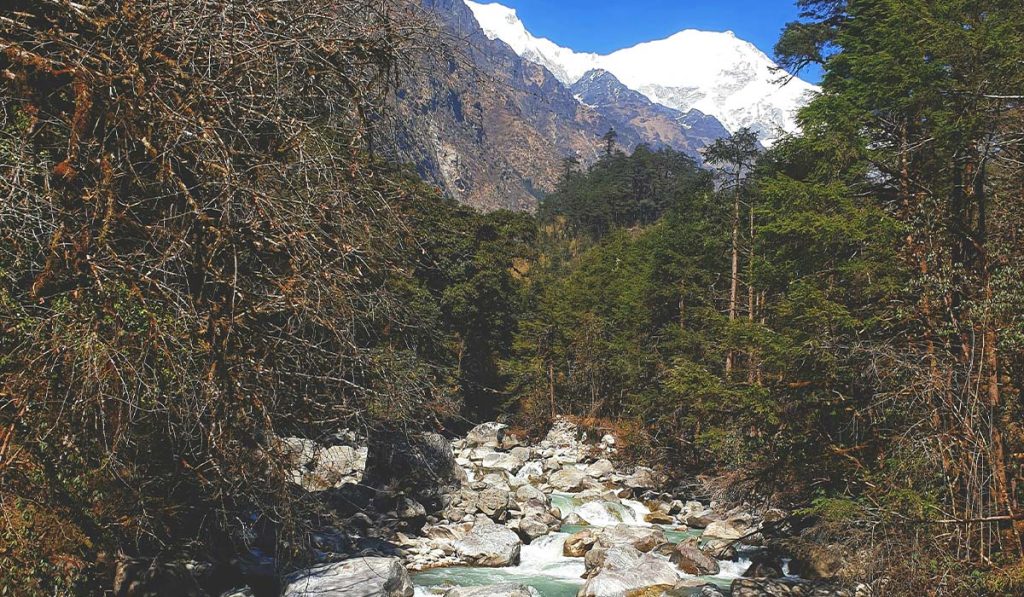
For the standard Langtang Valley Trek, Gosaikunda Trek, or Helambu routes connected through Langtang National Park, you usually need two main documents: the Langtang National Park entry permit and the TIMS card requirement depends on the current trekking arrangement and how your trip is organized. Rules around TIMS and independent trekking have changed over time in Nepal, so this is one area where trekkers should avoid relying on old blog posts or forum advice.
The most important point is this: permit policy in Nepal can shift, and enforcement can vary by region and season. Before departure, you should confirm the latest requirement through a licensed local trekking agency or official tourism office in Kathmandu. That simple check can save you a lot of confusion.
For most trekkers entering the Langtang region, the key fee is the national park permit. This is checked at entry points and sometimes again along the route. You should keep the permit accessible, not packed at the bottom of your duffel.
What permits do you need for Langtang?
The core permit for Langtang is the Langtang National Park Entry Permit. Since the main trekking routes pass through protected park territory, this permit is not optional. It applies whether you are trekking to Kyanjin Gompa, heading toward Gosaikunda, or following connected trails within the national park zone.
Trekkers are often told they also need a TIMS card in every case. Sometimes that is true, sometimes not, depending on the latest implementation and whether you are trekking independently or through an agency. Nepal’s trekking administration has seen policy updates in recent years, especially around guide requirements in some regions. Because of that, the smartest approach is not to memorize outdated rules but to verify the latest practice right before your trip.
What you do not need for Langtang is a restricted area permit. That is one reason Langtang remains attractive for trekkers who want a genuine Himalayan experience without the higher permit costs and paperwork found in restricted trekking regions.
Where to get the Langtang permits
Most trekkers arrange permits in Kathmandu before driving to the trailhead. This is the easiest option because you can sort out documents, ask questions, and avoid unnecessary delays once the trek begins. In some cases, park permits may also be managed en route or through a trekking company handling your logistics.
If you are trekking with an agency, the agency will usually prepare the permit process for you. That reduces the chance of document mistakes and is especially useful if current rules involve guide registration or updated trekking entry procedures. For solo planners, getting permits independently is usually still possible for the standard documents, but you need your passport details, passport photos if requested, and enough time in Kathmandu.
Do not assume checkpoint staff will accept a digital copy on your phone if a paper document is expected. Nepal trekking administration still works best when you carry physical documents.
Typical permit costs and what affects them
Permit fees in Nepal can change, so exact rates should always be confirmed before travel. In Langtang, costs are far lower than in restricted regions, which keeps the trek attractive for budget-conscious hikers. The park permit is the main fixed cost. If a TIMS card applies to your trekking setup, that adds another fee.
Nationality, trekking style, and administrative updates can affect the final amount. Foreign trekkers, SAARC nationals, and Nepali citizens may not all pay the same rate. Children may also be treated differently depending on age and the current rule in force.
This is where practical planning matters. Carry some extra cash in Kathmandu for permits and small administrative changes. Even when you think you know the cost, fee revisions are not unusual in Nepal.
Documents you should carry
Your passport is the primary identity document for permit processing. You should also keep several photocopies of your passport and visa page. These are useful not only for permits but also for hotel check-ins, transport arrangements, and unexpected paperwork.
Passport-sized photos are still worth carrying even if they are not always requested. Trekking logistics in Nepal run more smoothly when you have paper backups. If your permits are arranged by a company, send your passport details carefully and double-check spellings, nationality, and passport number before the permit is issued.
Once on the trail, keep your permits, passport copy, travel insurance details, and emergency contacts in a waterproof pouch. Checkpoints are routine, but weather, river crossings, and rough handling can damage loose papers quickly.
Are guides mandatory in Langtang?
This is one of the most common questions, and it deserves a careful answer rather than a simple yes or no. In Nepal, guide policy has been discussed and updated in different ways, and trekkers often hear conflicting information. For Langtang, enforcement may depend on current national policy and how local administration is applying it at the time of your trek.
Even when a guide is not strictly mandatory under a specific interpretation, trekking with a licensed guide is often the better decision. Langtang is not technically difficult in the same way as climbing routes, but weather changes, altitude issues, trail confusion in poor visibility, and post-landslide route variations are real concerns. A good local guide also helps at checkpoints, tea house arrangements, transport coordination, and emergency response.
For first-time trekkers in Nepal, a guide adds more than navigation. It adds judgment. That matters in the mountains.
Trail rules trekkers should take seriously
Permit compliance is only one part of the regulations. Langtang lies inside a protected national park, so conservation rules apply throughout the route. Trekkers should expect restrictions on littering, wildlife disturbance, and damaging natural or cultural sites.
Stay on the established trail unless a local guide or official route update suggests a safe alternative. Shortcuts can increase erosion, damage farmland, and lead you onto unstable terrain. This is especially relevant on steep sections and after monsoon damage.
Respect local settlements, monasteries, mani walls, and memorial sites. In Tamang villages and Buddhist areas, cultural etiquette matters as much as trail conduct. Ask before photographing people, avoid loud behavior near religious places, and pass sacred structures in the customary direction when appropriate.
Drones, professional filming, or commercial photography may require additional permissions. Many trekkers overlook this and assume a general trekking permit covers everything. It does not.
Checkpoints, inspections, and on-trail enforcement
On the Langtang route, you may be asked to show your permits at park entry and other checkpoints along the trail. These inspections are normal. They help authorities track movement in the region, support conservation management, and improve accountability in emergencies.
Do not argue with checkpoint staff if asked for documents more than once. Re-checks happen. Keep your permits in your daypack, not in your main luggage or with porters. If your bag is separated from you on the trail and a checkpoint appears, that creates an avoidable problem.
If you lose a permit during the trek, report it as soon as possible through your guide, agency, or the nearest responsible authority. Do not simply continue and hope no one asks.
Practical mistakes that cause problems
Most permit issues in Langtang come from bad assumptions, not complicated bureaucracy. Trekkers rely on outdated information, bring insufficient cash, forget passport copies, or assume the same rules apply across all Nepal trekking regions.
Another common mistake is treating Langtang as too easy to prepare for. It is easier administratively than restricted regions, but it is still a high-altitude Himalayan trek. Rules and safety planning go together. If your permit is sorted but your insurance excludes trekking altitude, your preparation is still incomplete.
Transport timing also matters. If you plan to leave Kathmandu early in the morning for Syabrubesi, do not leave permit arrangements until the last minute the evening before, especially in peak trekking seasons.
The best way to handle Langtang permit planning
The smoothest approach is simple. Confirm the latest permit and guide requirements shortly before your trip, prepare passport copies and photos, arrange permits in Kathmandu, and carry paper documents carefully throughout the trek. If you want the least hassle, a reliable local operator can manage the process and flag any policy changes that are not yet reflected in older online articles.
Langtang rewards trekkers with mountain views, Tamang culture, forested trails, and a real sense of Himalayan space without the heavier permit burden found elsewhere. Get the paperwork right at the start, and the rest of the trek becomes what it should be: a journey focused on the mountains, not on missing documents at a checkpoint.

