
If you are torn between a Guide vs Solo Langtang Trek decision, you are asking the right question early. Langtang is one of Nepal’s most rewarding short Himalayan treks, but the right style depends on your experience, confidence in the mountains, budget, and how much support you want once the trail starts climbing.
Langtang is often seen as more accessible than Everest or Annapurna, and in some ways that is true. The route is shorter, the logistics are simpler, and the trail is well known. But this is still a high-altitude trek with changing weather, steep ascents, limited road access, and real consequences if something goes wrong. Choosing between trekking with a guide or going solo should be based on practical judgment, not just cost.
Guide vs Solo Langtang Trek: The main difference
A guided Langtang Valley Trek gives you local route knowledge, help with logistics, support in lodges, and an extra layer of safety if you face altitude problems, weather changes, or trail confusion. A solo trek gives you more freedom, a lower upfront cost, and a more independent experience.
Neither option is automatically better. For some trekkers, solo feels more rewarding. For others, having a guide makes the trek smoother, safer, and far less stressful. The best choice depends on what kind of trekker you are.
When a guide makes more sense
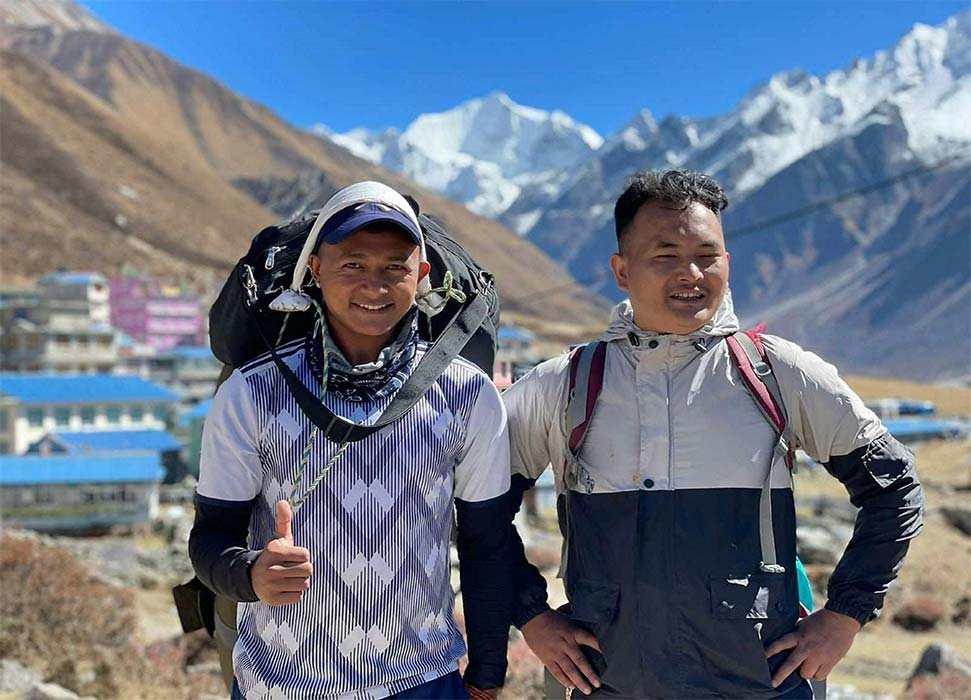
If this is your first trek in Nepal, hiring a guide is usually the smarter option. Langtang’s trail is generally straightforward, but that does not mean every day is simple. After landslides, snow, or poor visibility, sections can become less obvious. A guide also helps manage pacing, which matters more than many trekkers expect once you go above 3,000 meters.
A guide is especially useful if you are trekking in shoulder or winter seasons, if you are traveling alone and want company, or if you do not want to deal with transport, permits, tea house communication, and daily decision-making on the trail. In these cases, the added cost often saves energy and reduces avoidable mistakes.
There is also the cultural side. A good local guide adds context to the villages, Tamang heritage, mountain views, and day-to-day life in the valley. Without that, many trekkers pass through beautiful places without fully understanding them.
When solo trekking can work well
Solo trekking in Langtang can suit experienced hikers who are comfortable with basic mountain judgment, changing weather, simple navigation, and independent travel in Nepal. If you have trekked at altitude before, know how your body responds, and prefer moving at your own pace, solo can be a very enjoyable way to do the route.
The classic Langtang Valley trail has regular tea houses and a clear trekking flow in the main seasons. That makes it more realistic for independent trekkers than remote camping routes or restricted-area treks. If your plan is straightforward, your fitness is good, and you are prepared for the practical side of the trek, solo is a reasonable option.
Still, solo trekking demands honesty. If you are unsure about altitude sickness, poor weather decisions, or route changes, independence can become a burden very quickly.
Safety, altitude, and trail support
Safety is where the biggest gap appears in the Guide vs Solo Langtang Trek comparison. The main issue is not getting lost every day. The bigger concern is what happens when your trek stops going to plan.
Altitude sickness can affect even fit trekkers. A guide may notice symptoms early, adjust the itinerary, or push for descent before a situation becomes serious. If you are solo, all of that depends on your own judgment, and trekkers often underestimate symptoms because they do not want to turn back.
There are also smaller but common problems: twisted ankles, missed trail junctions, delayed jeeps, sudden snowfall, and difficulty finding the best lodge during busy weeks. None of these is dramatic on its own, but they add up. A guide helps absorb those frictions.
Cost and value
Solo trekking is cheaper on paper. You pay your own transport, permits, food, and accommodation, without guide or porter fees. For budget travelers, that matters.
But cheaper does not always mean better value. With a guide, you are paying for route knowledge, safety support, language help, and a smoother overall trek. If your trip time is limited, that support can be worth far more than the extra daily cost.
Some trekkers split the difference by hiring a guide only, without a porter. Others join a small group to reduce cost while keeping support. That can be a smart middle ground.
Permits, logistics, and confidence
Langtang is not the most complicated trek to organize, but it still requires planning. You need the right permits, transport to Syabrubesi or the current road-access point, cash for the trail, and a realistic itinerary with acclimatization in mind.
Independent trekkers can handle this themselves, especially if they enjoy planning. But many travelers find that the mental load before and during the trek is higher than expected. A guide or local operator simplifies that process and gives you someone to call if transport changes or plans shift.
So, which should you choose?
Choose a guide if you are new to trekking in Nepal, unsure about altitude, trekking in off-season conditions, or simply want a more informed and supported experience. Choose solo if you already have mountain sense, are comfortable traveling independently, and understand the risks without romanticizing them.
Langtang does not demand a guide from every trekker, but it rewards good judgment. The mountains are far more enjoyable when your trek style matches your actual experience, not the version of yourself you imagined while planning from home.

