
Many trekkers ask the same thing before choosing this route: is the Langtang trek difficult? The honest answer is yes, but usually not in the way people first imagine. Langtang is not the most technical trek in Nepal, and it does not demand climbing skills, ropes, or advanced mountaineering experience. What makes it challenging is the steady uphill walking, the altitude, the cold in some seasons, and the fact that you will be trekking for several days in mountain terrain.
For most reasonably fit trekkers, Langtang is manageable with proper preparation. It sits in that middle ground where beginners can complete it, but only if they respect the trail, pace themselves, and understand what the trek asks from the body. If you are trying to compare it with other Nepal treks, Langtang Valley Trek is generally considered moderate, with a few demanding sections that can feel hard depending on fitness, weather, and acclimatization.
How difficult is the Langtang trek really?
The Langtang trek is often easier than Everest Base Camp and usually less demanding than circuits like Manaslu or Annapurna Circuit in their longer forms. But that does not mean it is easy. You are still walking in the Himalayas, often for 5 to 7 hours a day, sometimes longer if the itinerary is rushed or side hikes are included.
Most of the difficulty comes from four factors: daily elevation gain, altitude above 3,000 meters, uneven trail conditions, and accumulated fatigue over multiple days. None of these are extreme on their own, but together they can make the trek feel much harder than a normal hike at home.
The route usually begins after a drive from Kathmandu to Syabrubesi, and from there the trail climbs through forests, villages, and river valleys toward Langtang Village and Kyanjin Gompa. The higher you go, the thinner the air becomes. Even strong hikers notice this. A person who can walk fast at low elevation may suddenly need frequent breaks above 3,500 meters.
What makes the Langtang trek hard?
The biggest issue for many trekkers is not the trail itself but the combination of uphill walking and altitude. You may feel comfortable on day one and then feel slow, heavy, or short of breath by day three. This is normal, but it catches people off guard if they assume Langtang is a short and simple trek.
The trail also has plenty of stone steps, rocky sections, and long ascents. Some parts are shaded by forest and feel pleasant. Others are more exposed and tiring, especially in the sun or in colder windy conditions higher up. If you take the side hike to Kyanjin Ri or Tserko Ri, the difficulty increases noticeably. Those viewpoints are among the best parts of the trek, but they are steep and done at high altitude.
Weather can also change the experience. In autumn and spring, conditions are usually favorable, but cold mornings, dust on roads during the drive, and occasional snow at higher elevations can add difficulty. In winter, snow and freezing temperatures can make the trek harder. During monsoon, slippery trails, leeches in lower areas, and reduced mountain views can make progress slower and less enjoyable.
Is the Langtang trek difficult for beginners?
Yes, it can be difficult for beginners, but it is still one of the better Himalayan treks for a first-time trekker with decent fitness. That is the key difference. A beginner who exercises regularly, walks often, and understands pacing can do well on Langtang. A beginner with no hiking experience, poor cardio fitness, and no altitude awareness may struggle.
This trek does not require technical skills, and the teahouse system makes logistics easier than fully remote camping treks. You will usually have access to meals, basic accommodation, and an established route. That lowers the difficulty in practical terms. Still, your body must handle repeated days of walking uphill and sleeping at increasing altitude.
If you are new to trekking, choose an itinerary with enough acclimatization time and avoid treating Langtang like a fast weekend-style hike. One extra day can make a big difference in how strong and safe you feel.
Altitude is the real test
If there is one part of the answer to “Langtang trek Difficult?” that matters most, it is altitude. Kyanjin Gompa sits around 3,870 meters, and popular side hikes go much higher. At that elevation, even simple movement feels more demanding.
Altitude affects everyone differently. Age, strength, and hiking background help, but they do not guarantee anything. A very fit trekker can still develop symptoms of altitude sickness, while a slower and less athletic trekker may do fine by ascending carefully.
Common early symptoms include headache, poor appetite, dizziness, nausea, unusual tiredness, and disturbed sleep. If symptoms worsen, the safest response is to stop ascending and, if needed, descend. This is why a sensible itinerary matters more than speed.
Many trekkers think difficulty means steep climbs or dangerous paths. In Langtang, the greater risk is often pushing too quickly at altitude. Trek slowly, drink enough water, eat properly, and do not ignore how you feel.
Trail conditions and daily walking hours
The Langtang route is generally clear and straightforward, which helps reduce mental stress on the trail. But clear does not always mean easy. You will walk on a mix of dirt path, stone staircases, suspension bridges, forest trail, and rocky mountain sections. After rain or snowfall, some parts can become slippery.
A typical day involves around 5 to 7 hours of trekking, although this depends on your itinerary, pace, and rest stops. The climb from Syabrubesi upward can feel especially demanding because the trek starts with serious elevation gain quite early in the journey. Later days can feel more open and scenic, but by then the altitude is more noticeable.
The return is easier in terms of breathing, but downhill walking has its own strain. Knees, ankles, and quadriceps often feel the pressure more on descent than on ascent. Trekking poles help a lot here.
How fit do you need to be?
You do not need to be an athlete, but you should arrive with a good base level of endurance. If you can comfortably walk for several hours on hilly terrain, recover well the next day, and maintain a steady pace without getting exhausted, you are on the right track.
The best preparation is simple and specific. Walk regularly. Add stairs, uphill hikes, and longer weekend walks with a light backpack. Cardio training such as running, cycling, or incline treadmill work helps build stamina, but walking remains the most useful training because it matches what you will actually do on the trail.
Leg strength matters too. Strong thighs, calves, and hips make steep sections much more manageable. Core stability also helps with balance on uneven terrain. You do not need an advanced training plan, but you do need consistency for a few weeks before the trek.
Who will find Langtang more challenging?
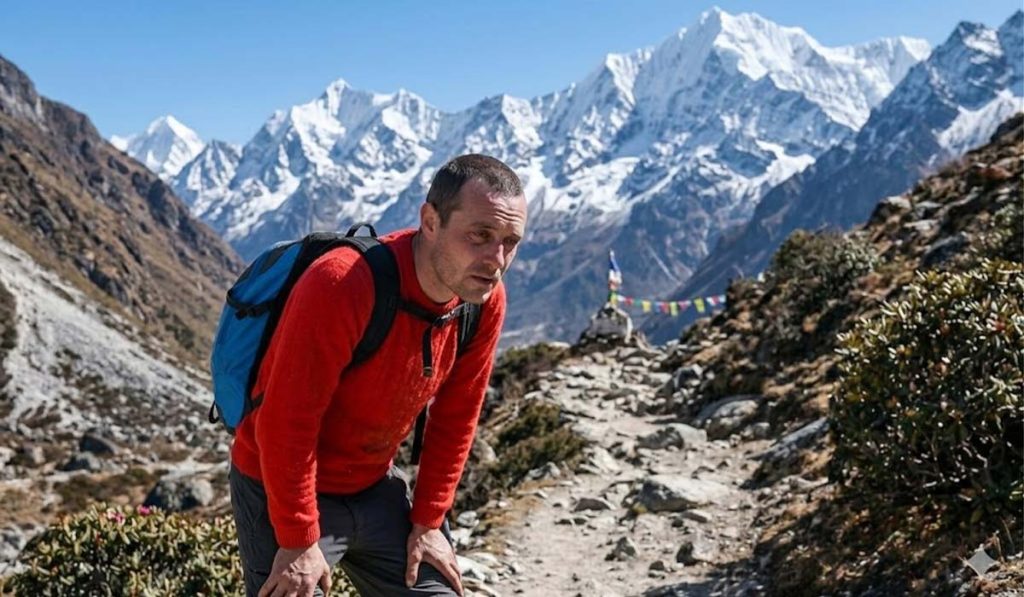
Some trekkers naturally find this route harder than others. If you are coming from sea level and have never been above 2,500 meters, the altitude may hit you more strongly. If you have limited hiking experience, carry too much weight, or choose a short itinerary with aggressive daily gain, the trek will feel tougher.
Older trekkers can absolutely complete Langtang, but recovery, pacing, and acclimatization become more important. The same is true for families or anyone trekking outside the main weather windows. Difficulty is not just about age or fitness. It is also about planning.
This is where local advice matters. A realistic itinerary, the right season, and a sensible packing list can reduce the trek’s difficulty more than many people expect.
How to make the Langtang trek easier
Most problems on this trail come from avoidable mistakes. Trek too fast, and altitude becomes a problem. Pack too much, and every ascent feels harder. Start with poor fitness, and what should be a rewarding trek becomes a draining one.
A better approach is straightforward. Choose spring or autumn for more stable conditions. Give yourself enough days rather than trying to finish as quickly as possible. Break in your boots before arrival. Carry only what you need. Drink water regularly, eat enough even when appetite drops, and sleep as well as possible.
Hiring a guide or porter can also change the experience significantly. A guide helps with pacing, route confidence, local coordination, and safety decisions. A porter reduces physical strain and often allows trekkers to enjoy the landscape instead of focusing only on fatigue. For many people, that turns Langtang from a hard grind into an achievable and enjoyable Himalayan trek.
So, is Langtang the right trek for you?
If you want a trek with real mountain scenery, strong cultural character, manageable logistics, and a moderate challenge, Langtang is an excellent choice. It is difficult enough to feel like a genuine Himalayan adventure, but it is not so extreme that only highly experienced trekkers can attempt it.
For most people, the Langtang trek is best described as moderately difficult. It asks for fitness, patience, and respect for altitude, but it rewards that effort quickly with beautiful valley views, glacier scenery, and a more intimate trekking experience than some busier routes. If you prepare well and walk smart, the difficulty becomes part of the satisfaction, not a reason to stay home.

