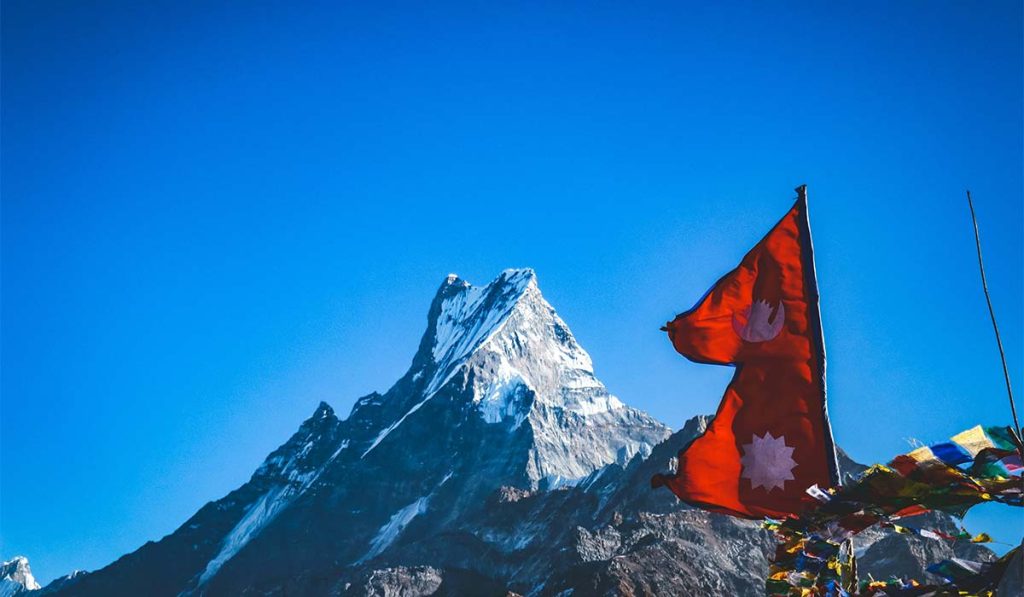
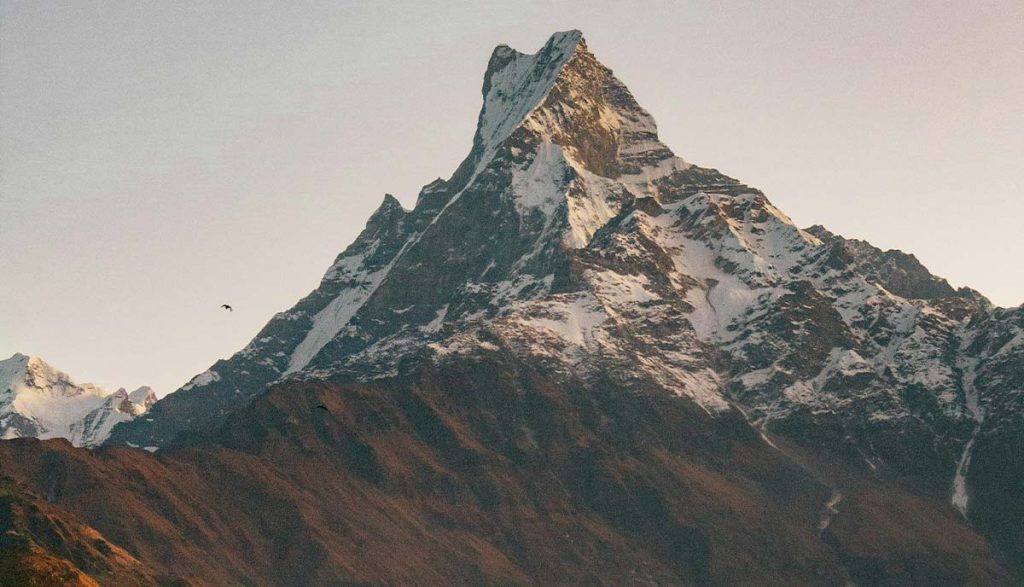
A lot of trekkers choose Mardi Himal because it is shorter than many famous routes in Nepal, then get surprised by how hard some sections feel. The Mardi Himal Trek difficulty level is best described as moderate, but that simple label does not tell the full story. This trek is manageable for many first-time Himalayan trekkers, yet it still includes steep ascents, long walking days, high altitude, and basic mountain conditions that demand preparation.
What makes Mardi Himal appealing is also what makes it challenging. You move from lower forest trails into exposed ridgelines fairly quickly, and the route gains altitude in a short number of days. So while this is not a technical climb and does not require mountaineering skills, it should still be treated as a serious trek.
How difficult is the Mardi Himal Trek?
For most trekkers, Mardi Himal sits in the moderate category. If you are reasonably fit, can walk for several hours a day, and pace yourself well at altitude, it is usually achievable. If you are expecting an easy hill walk, it will feel harder than expected.
The route normally takes 5 to 7 days depending on the itinerary, starting from the Pokhara side and climbing through Forest Camp, Low Camp, High Camp, and onward to Mardi Himal Base Camp or the upper viewpoint. The highest point is around 4,500 meters, which is high enough for altitude to matter even though the overall trek is relatively short.
In practical terms, the difficulty comes from the combination of steep trails, cumulative fatigue, cold mornings, and thinner air near the top. None of these factors alone make the trek extreme, but together they can turn a short itinerary into a demanding experience.
What affects the Mardi Himal Trek difficulty level?
Altitude gain is the biggest factor
The most important part of the Mardi Himal Trek difficulty level is altitude. Many trekkers focus on daily walking hours, but the bigger issue is how quickly you climb. Once you move above roughly 3,000 meters, the body starts feeling the reduced oxygen. Breathlessness increases, recovery slows down, and even simple uphill sections feel heavier.
Because Mardi Himal is often done in less than a week, some itineraries gain height quite fast. That is why trekkers who are strong at lower elevations can still struggle near High Camp or on the final push to base camp. Headache, poor sleep, loss of appetite, and unusual fatigue are common signs that the altitude is having an effect.
The trail is steeper than many expect
This trek does not involve technical terrain, ropes, or climbing equipment, but it does include many steep sections. The path from the forest zone up toward Low Camp and High Camp can be demanding, especially if the trail is muddy, snowy, or icy. The final section before sunrise viewpoints can also feel tough because of the cold, darkness, and thin air.
The trail is narrower in some ridge sections than on wider trekking routes like parts of Annapurna Base Camp. It is usually safe when conditions are normal, but trekkers who are uncomfortable with exposed mountain paths may find those sections more mentally tiring.
Daily walking hours vary by itinerary
Most days involve around 4 to 6 hours of walking, though the base camp day can be longer depending on where you sleep and how far you return. Those are not huge numbers on paper, but the uphill nature of the route makes the effort feel greater than the clock suggests.
A shorter itinerary saves time, but it often makes the trek harder. If you add an extra day for acclimatization or a more gradual ascent, the experience becomes much more comfortable.
Weather changes the difficulty quickly
In good weather, Mardi Himal is straightforward to follow and very enjoyable. In poor weather, it becomes significantly harder. Rain can make the forest trails slippery. Winter snow can cover steps and make the upper ridge slower and colder. Strong wind near High Camp and above can also drain energy fast.
Spring and autumn are usually the best seasons for balancing views, trail conditions, and overall comfort. During monsoon, leeches, mud, cloud cover, and wet trails increase the challenge. In winter, the route is still possible, but cold temperatures and snow can make it more serious than many trekkers expect.
Is Mardi Himal suitable for beginners?
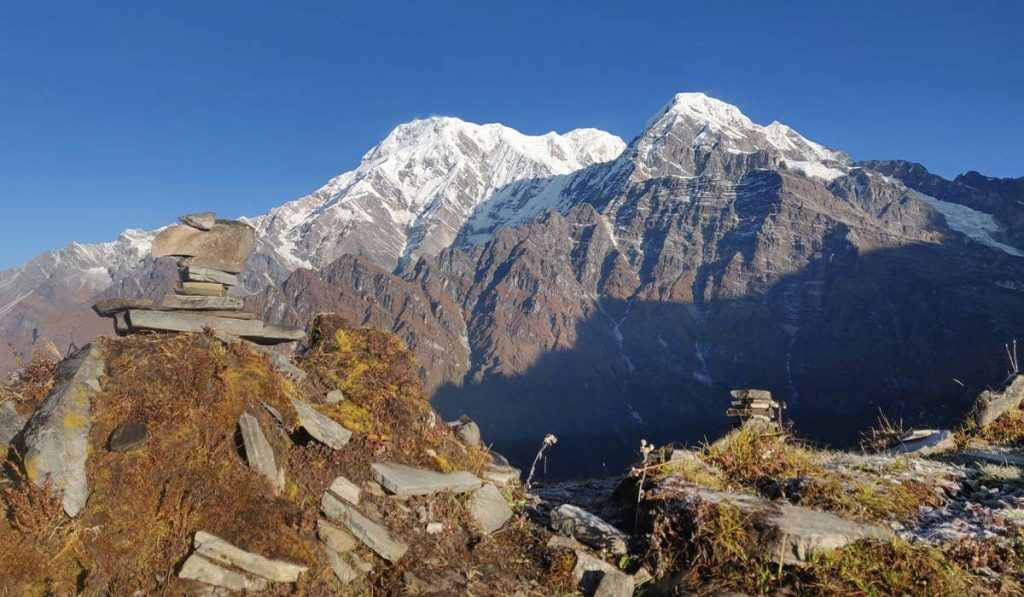
Yes, for many beginners, Mardi Himal is a good first Himalayan trek, but only if they prepare properly and choose the itinerary carefully. It is shorter and less crowded than some classic treks, which many people appreciate. The lodges are basic but generally sufficient, and the route does not require previous alpine experience.
Still, beginner-friendly does not mean effortless. A first-time trekker with little walking experience may find the constant uphill days demanding. Someone with decent cardiovascular fitness, a steady pace, and realistic expectations will usually do much better than a stronger person who starts too fast.
For beginners, a guide can make a real difference. Not just for navigation, but for pacing, local decisions, weather judgment, and early awareness of altitude issues. This is especially useful if you are unfamiliar with trekking in Nepal.
Which part feels hardest?
Most trekkers say the hardest section is the climb from High Camp to Mardi Himal Base Camp or the upper viewpoint. You usually start early, often before sunrise, when temperatures are low and the air feels thinner. Even gradual sections can feel strenuous at that altitude.
The descent can also be harder than expected. Going down is easier on the lungs but tougher on the knees, especially if the trail is dusty, wet, or uneven. Trekkers sometimes underestimate how tiring the return day can be after an early, demanding summit push.
Another commonly underestimated section is the repeated uphill through the forest in the lower part of the route. There are long stair-like and root-covered sections that can feel relentless if you are not used to mountain walking.
Fitness needed for Mardi Himal
You do not need to be an athlete, but you should arrive with a reasonable base level of fitness. If you can comfortably hike for 5 to 6 hours with sustained uphill sections, you are in a good position. Regular walking, stair climbing, short hikes, jogging, cycling, or gym cardio all help.
The most useful preparation is not speed. It is endurance and consistency. Strong legs matter, but so does your ability to recover and keep moving day after day. If possible, train with a light backpack and include uphill walks. Trekking poles are also very useful on this route, especially during descent.
Comparing Mardi Himal with other Nepal treks
Compared with Ghorepani Poon Hill, Mardi Himal is usually harder because it goes higher and feels more remote. It can feel similar or slightly easier in overall length than the Annapurna Base Camp, but the steeper daily ascents may feel tougher to some trekkers. Compared with Everest Base Camp, Mardi Himal is generally easier because it is shorter, lower in total duration, and less physically demanding.
This is why the trek attracts such a wide range of travelers. It offers a real Himalayan trekking experience without the longer commitment of bigger routes, but it still demands respect.
Tips to make the trek easier and safer
The best way to reduce the Mardi Himal Trek difficulty level is to choose a sensible itinerary. Avoid rushing from Pokhara to high elevation too quickly. An extra day can improve both comfort and safety.
Pack light, but not too light. A warm layer, rain protection, gloves, and proper footwear matter. The temperature difference between lower camps and the high ridge can be significant. Hydration is also important. Many trekkers do not drink enough in cold weather, which can worsen fatigue and altitude symptoms.
Pace yourself from the first day. In Nepal, many strong trekkers run into trouble not because the route is too hard, but because they try to prove their fitness early. Slow, steady walking works much better at altitude than bursts of speed.
It also helps to stay flexible. If weather turns poor or your body is not adjusting well, changing the plan is the smart choice. An experienced local team will usually spot these issues before they become serious. That kind of judgment is part of what makes Himalayan trekking safer and more enjoyable.
Final verdict
Mardi Himal is not the hardest trek in Nepal, but it is not an easy shortcut to big mountain views either. It is a moderate trek with real altitude, steady climbing, and enough variation to challenge beginners and experienced trekkers alike. If you prepare well, choose the right season, and give your body time to adjust, it is one of the most rewarding short treks in the Annapurna region.
For trekkers who want a quieter trail, dramatic ridge walking, and a genuine mountain experience without committing to a long expedition, Mardi Himal strikes a very good balance between challenge and accessibility.