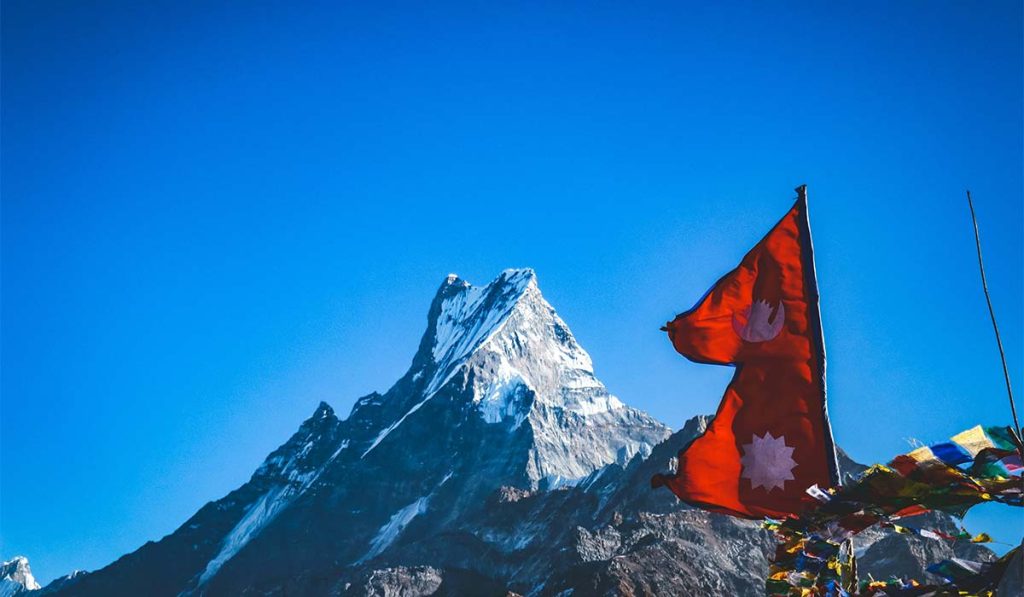
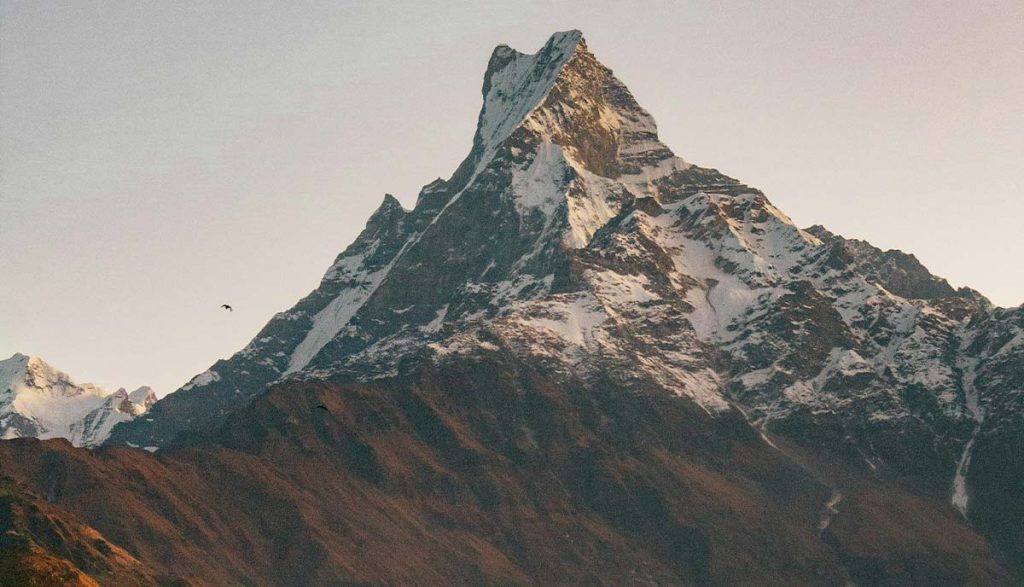
If you are planning this route for the first time, accommodation on Mardi Himal Trek is usually much simpler than many trekkers expect. You do not need luxury lodges, but you do need realistic expectations. Tea houses on this trail are basic, functional, and comfortable enough for most trekkers, especially if you know where standards improve, where they drop, and how altitude changes the experience.
Mardi Himal is a short and popular trek in the Annapurna region, and the lodging system follows the classic Nepal tea house model. Along the route, you stay in small mountain lodges run by local families. These places offer a bed, simple meals, and a dining room that becomes the social center of the evening. Rooms are usually private twin-share rooms with two single beds, a pillow, and blankets, but the higher you go, the more basic everything becomes.
What is tea house accommodation like on the Mardi Himal Trek
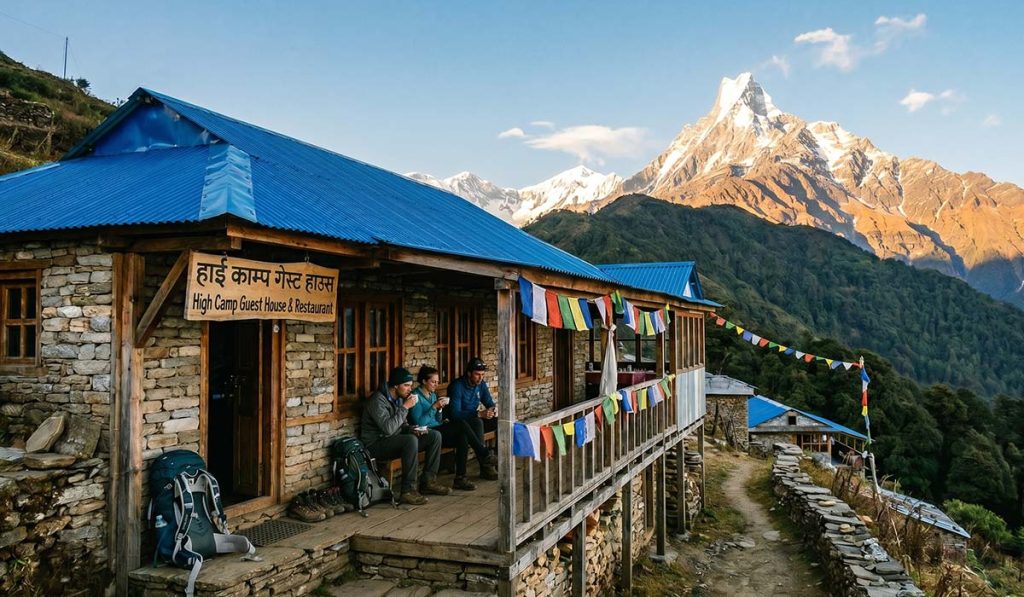
In the lower section, around places like Deurali, Forest Camp, and Low Camp, tea houses are generally more comfortable. You can often expect wooden rooms, foam mattresses, shared bathrooms, and a slightly wider food menu. Some lodges may have hot showers and charging available for an extra fee. The setting is quiet and forested, which many trekkers enjoy after the busier trails of the wider Annapurna area.
As you move higher to Badal Danda, High Camp, and the upper part of the route, accommodation becomes more limited. Rooms are colder, walls are thinner, and facilities are more basic. At High Camp in particular, expect a simple bed, shared toilet, and limited water. On busy trekking months, especially in spring and autumn, rooms can fill quickly. If you are trekking with a guide, this becomes much easier because your bed is usually arranged in advance.
Accommodation on Mardi Himal Trek by overnight stop
Most itineraries break the trek into 4 to 5 trekking days, and the common overnight stops shape your tea house experience.
Forest Camp has basic but decent lodges surrounded by forest. This is one of the quieter overnight points, and the atmosphere is relaxed. Rooms are simple, but many trekkers find this stop comfortable because the altitude is still moderate.
Low Camp usually offers slightly better availability and a few more lodge choices. The views begin opening up here, and the tea houses tend to be a good balance between comfort and mountain character.
Badal Danda is one of the most scenic places to stay. On clear days, the views are excellent, but accommodation is more exposed and colder. Services are still manageable, though not as convenient as lower down.
High Camp is the most important overnight stop for trekkers heading to Mardi Himal Base Camp or the viewpoint early the next morning. This is also where comfort drops the most. Tea houses here are very basic, often crowded in peak season, and temperatures at night can be very cold. If you are expecting proper hotel-style comfort, this is usually the section that resets expectations.
Some trekkers also stay in Sidhing while descending. Accommodation there is again more comfortable than at High Camp, with a more village-based feel and a warmer sleeping environment.
Room types, toilets, and basic facilities
Most tea houses on the Mardi route offer twin rooms with shared bathrooms. Attached bathrooms are uncommon on the higher section. Do not expect heated rooms. The dining hall is usually the warmest place because of the stove in the evening, but bedrooms are not heated.
Toilets are mostly shared and can be squat style or basic Western style depending on the lodge. Hot showers may be available at lower and mid-level stops, usually for an added cost, but at higher camps they can be unreliable or unavailable. Charging phones and power banks is often possible, though again it usually costs extra as you go higher.
Wi-Fi exists in some tea houses, but it should never be treated as dependable. Weather, altitude, and power supply all affect service.
How much tea houses cost
Tea house rooms on Mardi Himal are usually affordable, but prices are tied to meal purchases. In many lodges, the room rate stays low if you eat dinner and breakfast at the same tea house. Higher up, food and drinks cost more because everything is carried by porters or mules.
A basic room can be inexpensive, but your real daily spending comes from meals, snacks, charging, hot showers, and drinks. This is why trekkers sometimes underestimate total accommodation costs. The bed itself is not expensive. Living at altitude is what adds up.
What to pack for a more comfortable stay
Even though the trek is short, your sleeping comfort depends a lot on what you bring. A good sleeping bag is strongly recommended, especially in colder months and for anyone staying at High Camp. Tea house blankets help, but they are often not enough on winter or early spring nights.
You should also carry toilet paper, a small towel, wet wipes, and a power bank. Slippers or light camp shoes are useful in the lodge after a long day of walking. These small things make basic tea house life much easier.
Practical advice before you go
If you want the best tea house experience on Mardi Himal, avoid assuming every stop offers the same standard. Lower lodges are easier and more comfortable. Upper lodges are more exposed, colder, and more crowded. That does not make the trek difficult to manage, but it does mean good planning matters.
In peak trekking seasons, start walking early and reach your stop with enough time to get a room before late arrivals. If you prefer less stress, going with an experienced local team such as Himalaya Wanderer can help with lodge arrangements and route timing. The trail is beautiful and the tea houses are part of that experience – simple, welcoming, and best enjoyed with practical expectations.