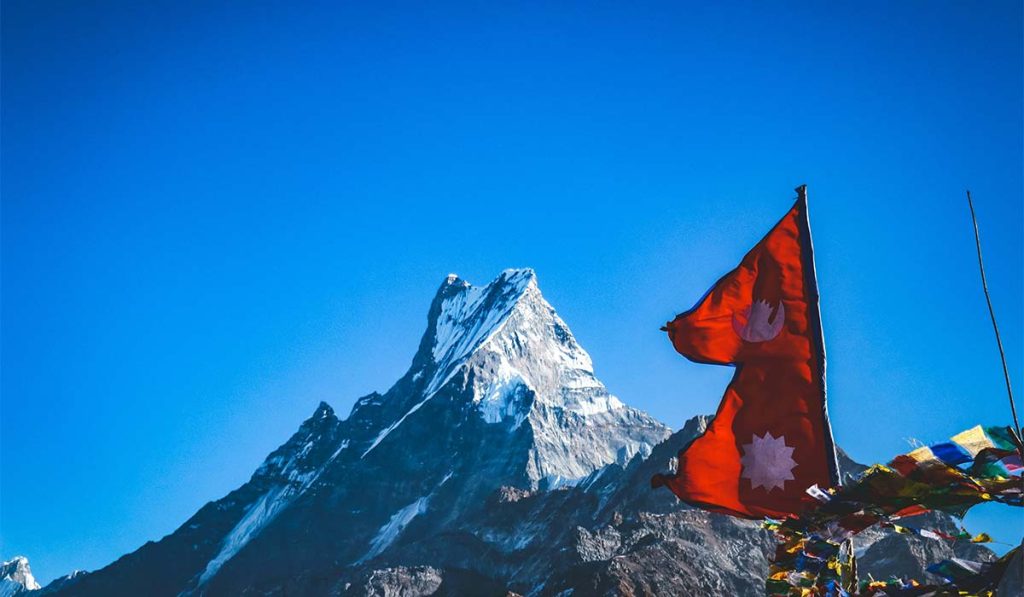
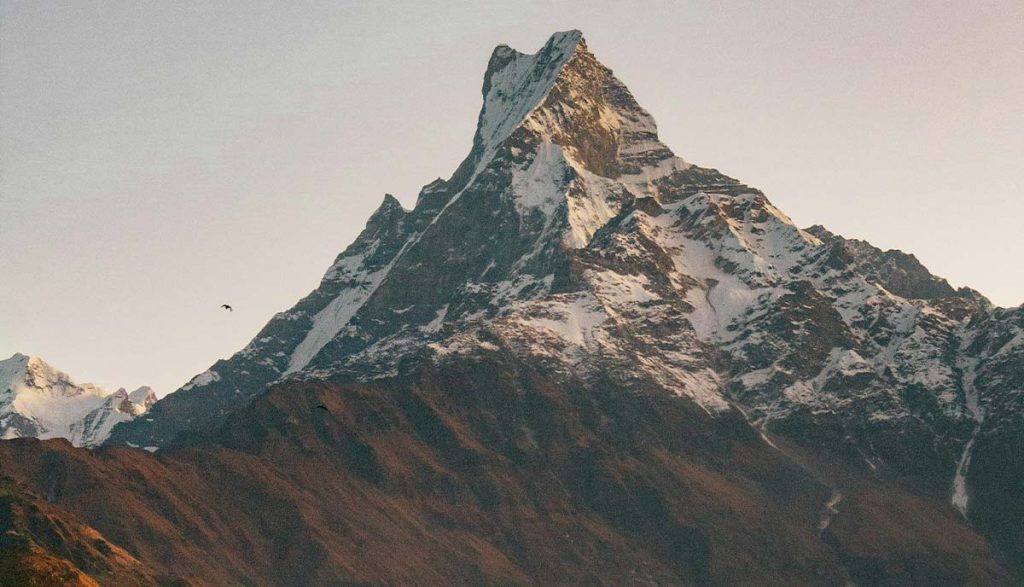
One of the most common surprises on the trail is how varied the Food menu on the Mardi Himal Trek can be. Many trekkers expect only basic dal bhat and instant noodles, but the teahouses along this route usually serve a wider range of meals than people imagine. At the same time, food choices become more limited as you gain altitude, prices rise with each stop, and fresh items are not always available every day. Knowing what is actually served helps you plan better, eat enough, and avoid unrealistic expectations.
Mardi Himal is a shorter trek in the Annapurna region, but it still follows the same mountain logic as other teahouse routes in Nepal. Everything carried upward costs more. Menus depend on season, weather, porter supply, and how busy the lodges are. So while you will see many familiar items from one village to another, the exact quality and availability can change.
What food is available on the Mardi Himal Trek?
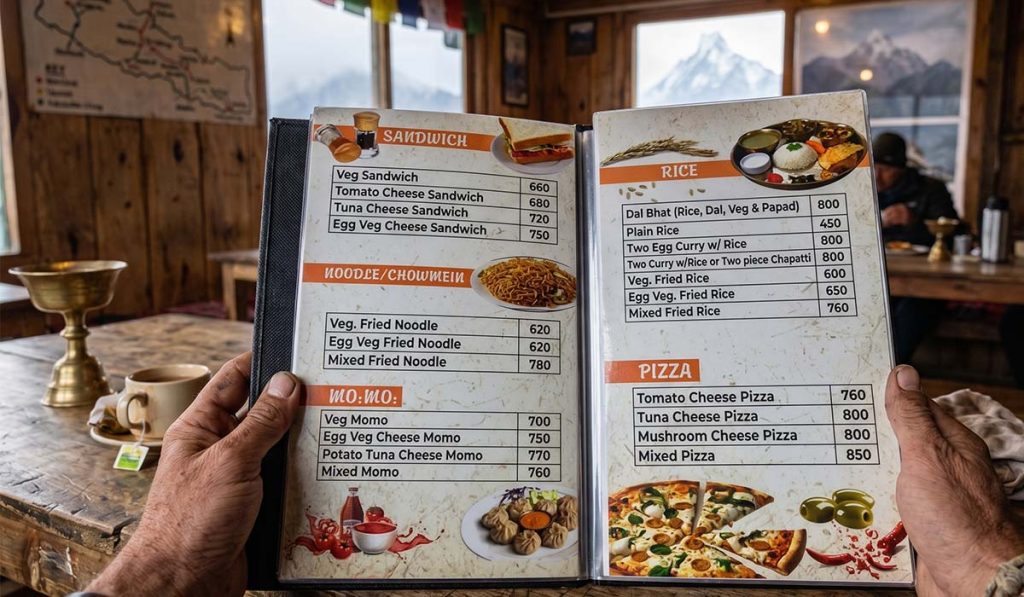
In most teahouses, the menu is simple, filling, and built around foods that are practical to cook at altitude. The staples are dal bhat, fried rice, noodles, pasta, potatoes, soup, eggs, Tibetan bread, pancakes, porridge, chapati, and tea. Some lodges also offer momos, macaroni, pizza, spring rolls, or simple desserts like rice pudding.
Lower on the trail, especially around Kande, Australian Camp side connections, Pothana, Deurali, and Forest Camp areas, menus tend to feel broader. You are more likely to find toast, muesli, fresh vegetables, coffee varieties, and occasionally meat dishes. Higher up toward Low Camp, High Camp, and Badal Danda, the menu usually narrows to dependable trekking foods that can be stored easily and cooked quickly.
This does not mean the food is poor. In fact, many trekkers are pleasantly surprised by how satisfying the meals are after a long uphill day. The key is to think in terms of energy, warmth, and digestibility rather than restaurant-style dining.
Typical breakfast on the Mardi Himal route
Breakfast is important on this trek because morning climbs can be cold and demanding, especially if you are heading toward High Camp or setting out early for Mardi Himal Base Camp. Most trekkers choose a hot, carbohydrate-rich meal that sits well in the stomach.
Common breakfast items include porridge, oats, muesli, Tibetan bread with jam or honey, toast, chapati, pancakes, boiled eggs, omelets, and sometimes hash browns or fried potatoes. Tea and coffee are available almost everywhere, and ginger honey lemon is a popular warm drink in the colder sections.
If you usually eat lightly at home, it is still worth having a proper breakfast here. A bowl of porridge, eggs, and tea may feel like more than usual, but the trail often demands steady energy. Skipping breakfast and relying only on snacks is rarely a good idea once the altitude starts to affect appetite.
Lunch and dinner: the core of the food menu on Mardi Himal Trek
Lunch and dinner menus are often very similar. Teahouses keep a fixed list of dishes they can prepare with the ingredients they have in stock, so you will notice the same meals appearing again and again. That repetition is normal across Nepal trekking routes.
Dal bhat is still the strongest choice for many trekkers. It usually comes with rice, lentil soup, seasonal vegetables, pickle, and sometimes potato curry. The big advantage is that it is balanced, warm, and often refillable in many teahouses. For long trekking days, few meals are as practical.
Besides dal bhat, fried rice is common and usually available in vegetable, egg, tuna, or sometimes chicken versions at lower elevations. Noodle dishes may include fried noodles, noodle soup, thukpa, or instant noodles with vegetables and egg. Pasta and macaroni are easy to find too, usually served with simple tomato sauce, cheese, vegetables, or mixed seasoning.
Potato dishes are another reliable option. You may see boiled potatoes, fried potatoes, potato cheese dishes, or garlic potatoes. Garlic soup is especially popular among trekkers, not because it is a medical cure for altitude, but because it is warm, comforting, and easy to eat when appetite drops.
Vegetarian food is the safer choice
Most trekkers on Mardi Himal do better with vegetarian meals, especially above the lower villages. This is partly about food safety and partly about digestion. Meat has to be transported uphill and storage conditions are limited, so many experienced guides recommend avoiding meat at higher elevations.
Eggs are generally a better protein choice on the trail. Lentils, potatoes, rice, noodles, and vegetables make up the backbone of most mountain meals anyway. If you are vegetarian, you will have no major difficulty finding enough food. If you are vegan, you can still eat fairly well, but you may need to be clear about avoiding eggs, milk, cheese, and butter in breads, pancakes, tea, or porridge.
Gluten-free trekkers will need more caution. Rice, potatoes, eggs, and dal are usually the safest direction, but cross-contamination is possible in small kitchens. If you have celiac disease or a strict dietary requirement, it helps to communicate clearly and carry backup snacks.
How food quality changes with altitude
A common mistake is expecting the same freshness and variety at High Camp as in Pokhara. The higher you go, the more basic the ingredients and cooking setup become. Fresh greens may run out. Fruit is limited. Bakery-style items may be available in name but not always in the way you imagine.
That said, simple food often tastes best in the mountains. A hot plate of rice, lentils, and vegetables after a wet or cold trekking day is exactly what many people need. The challenge is not usually taste. It is menu fatigue. After several days, trekkers sometimes grow tired of similar dishes and lose interest in eating enough.
This is why carrying small comfort snacks helps. Nuts, energy bars, chocolate, electrolyte tablets, or dried fruit can fill the gap between meals and keep your energy up when the menu starts to feel repetitive.
Tea, coffee, and drinks on the trail
Hot drinks are a major part of the trekking experience. Black tea, milk tea, lemon tea, ginger tea, and honey lemon ginger are available in most lodges. Coffee is common too, though it is often instant coffee rather than brewed coffee, especially higher up.
Hot chocolate appears on many menus and is popular in colder weather. You may also find soft drinks and packaged juices at some stops, but these become more expensive with altitude and are not the best choice for hydration.
Safe drinking water matters more than menu variety. Most trekkers drink boiled water, filtered water, or treated water. Buying bottled water is possible in some places, but it is less practical and creates extra plastic waste on the trail.
Average meal prices on Mardi Himal Trek
Food prices increase as you go higher. This is normal because supplies are carried by porters, mules, or other local transport methods into the mountain villages. A basic breakfast item at a lower teahouse may be reasonably priced, while the same item at High Camp costs more.
As a general rule, expect breakfast dishes to cost less than full dinner plates, and drinks to become noticeably expensive at higher stops. Dal bhat is often one of the best value meals because of portion size and refill options. Eggs, noodles, pasta, and potatoes are usually mid-range choices. Coffee, hot chocolate, and packaged snacks can add up quickly if you order them often.
Prices also change by season and by lodge. During busy trekking months, popular stops may have less flexibility. During quieter months, menu variety can shrink if fewer ingredients are being brought up.
What to eat before the base camp hike
The walk from High Camp toward Mardi Himal Base Camp usually starts early, often in cold conditions, and the climb can feel harder than expected because of altitude and exposed terrain. This is not the morning to skip food.
A practical breakfast is something warm and easy to digest, such as porridge, Tibetan bread, eggs, or potato-based dishes with tea. Heavy oily foods may not feel great during the climb. If you struggle to eat early, at least take tea, a few bites of food, and a snack for the trail.
For the return to High Camp or lower down, a proper lunch becomes important. Many trekkers underestimate how much energy this section uses, especially if the weather turns windy or visibility is poor.
Practical food tips for trekkers
Do not assume every item on the menu is available that day. Stocks run low, and some dishes depend on whether ingredients arrived recently. Order with flexibility.
Eat enough even if altitude reduces your appetite. This route is short, but the climbs are real, and under-eating often makes fatigue worse. Choose warm cooked meals over cold or raw foods whenever possible. They are safer, easier on the stomach, and better suited to the conditions.
If you have a sensitive stomach, keep your choices simple. Dal bhat, soup, rice, potatoes, eggs, and plain noodles are usually the safest options. Save the more adventurous menu picks for lower elevations where kitchen supply and storage are better.
Trekkers who want clear expectations rather than surprises usually do best on Mardi Himal. The food is not luxury dining, but it is more than enough for a comfortable teahouse trek when you understand the trade-offs. Come prepared for simple mountain meals, eat consistently, and the trail will feel much more manageable from the first climb to the final descent.