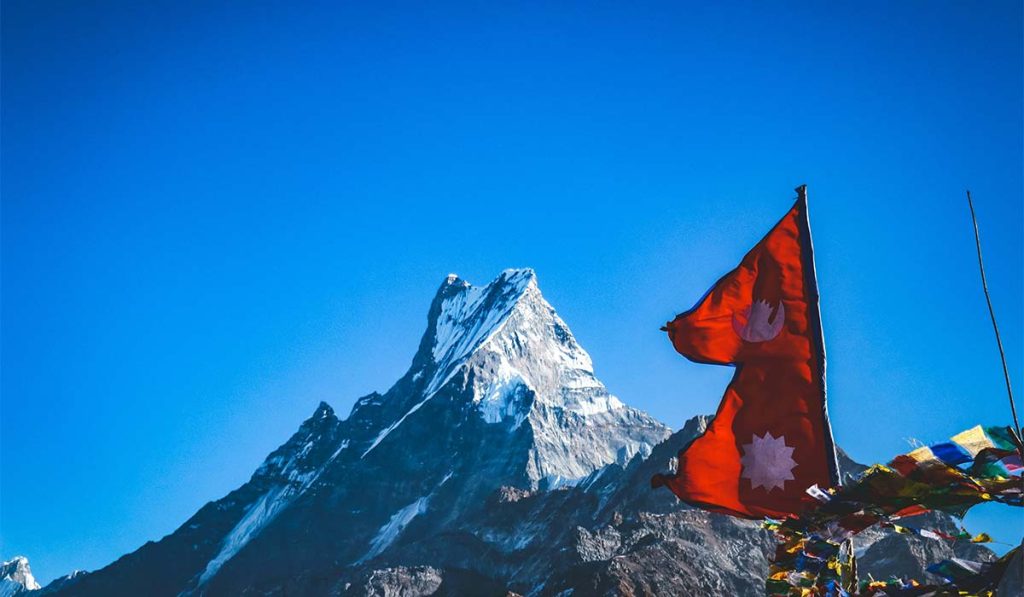
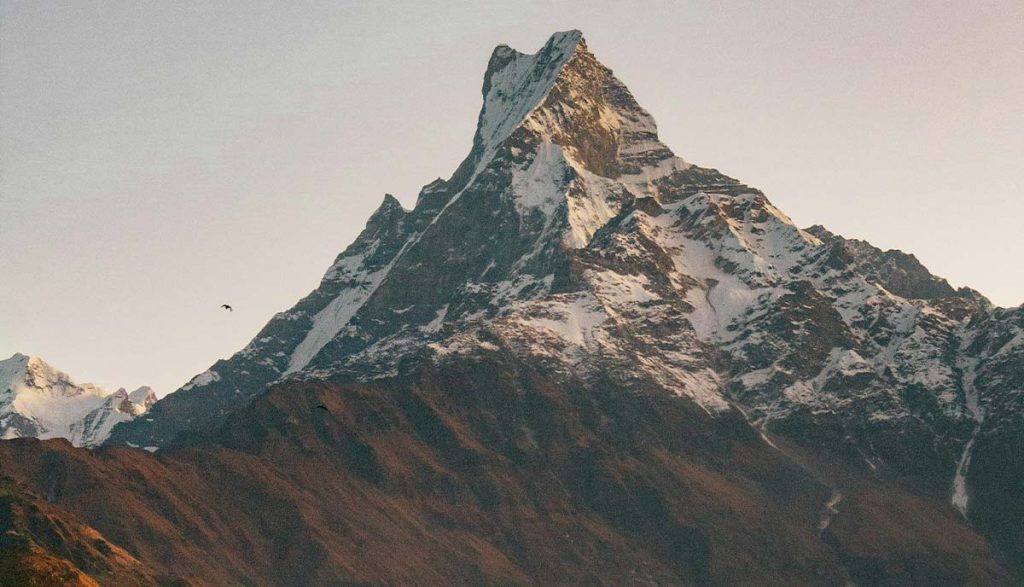
A lot of trekkers choose Mardi Himal because it is shorter, quieter, and more approachable than some of Nepal’s bigger routes. That can create a false sense of security. Emergency rescue and evacuation on the Mardi Himal Trek is not something most people expect to think about, but weather, altitude, injury, and exhaustion can turn a straightforward plan into a serious situation very quickly.
Mardi Himal is not the most remote trek in Nepal, but rescue is still a mountain operation. Trails are steep, forest sections are slippery, ridgelines are exposed, and phone coverage is inconsistent. Once you move above Forest Camp and especially toward High Camp and Mardi Himal Base Camp, getting help depends on the nature of the emergency, the weather, and how quickly the problem is recognized.
When evacuation becomes necessary on Mardi Himal
Most trekkers complete the route without major problems, but the common reasons for evacuation are very real. Altitude sickness is one of the biggest concerns, especially for people who ascend too quickly from Kande, Pothana, or Siding and try to push to High Camp without listening to their body. Headache, nausea, dizziness, unusual fatigue, poor balance, and breathlessness at rest should never be ignored.
Injuries are another frequent trigger. The trail can be muddy and slick in the monsoon, icy in winter, and uneven year-round. Twisted knees, ankle sprains, falls on stone steps, and shoulder injuries from slips happen more often than many trekkers expect. Even a moderate injury becomes serious when walking downhill for hours is no longer possible.
Severe stomach illness, chest problems, dehydration, and sudden weakness also lead to rescue calls. A trekker may not need a helicopter in every case. Sometimes the safest solution is assisted descent on foot, mule support where practical, or local porter help to bring the person down to a lower settlement. But when time matters, or the person cannot move safely, helicopter evacuation may become the right option.
How emergency rescue and evacuation on the Mardi Himal Trek works
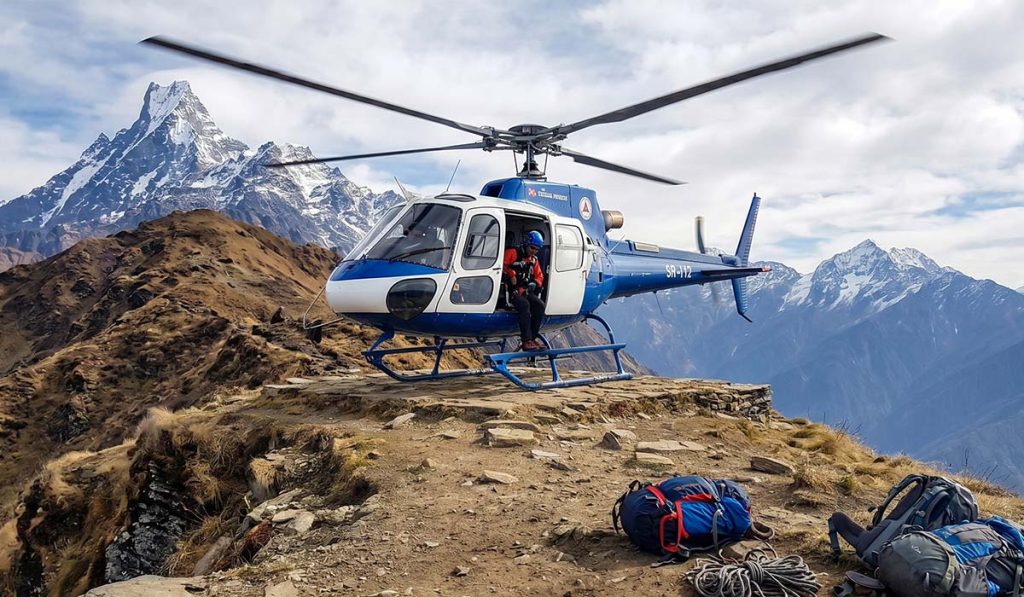
The process is usually simpler in theory than in the field. First, the condition of the trekker needs to be assessed. If the person is conscious and stable, the guide or local team checks symptoms, oxygen level if a pulse oximeter is available, location, weather, and descent options. But if the signs point to altitude illness, the first treatment is descent, not waiting.
If helicopter evacuation is needed, the team contacts the trekking agency, insurance support line, local rescue coordination contacts, or helicopter operators. Exact location matters. On Mardi Himal, rescue is generally coordinated from villages and camps along the route such as Low Camp, Forest Camp, Badal Danda, High Camp, and nearby pickup points where a helicopter can land safely or hover for extraction.
This is where many trekkers misunderstand the reality. Helicopters do not just appear the moment someone feels unwell. The weather must allow flying. Visibility has to be good enough. Wind on ridges can delay or cancel flights. In some cases, the injured or sick trekker must first be moved a short distance to a safer landing area.
Paperwork can also affect timing. If insurance is involved, approval may be required before dispatch unless the situation is obviously critical. A reliable local operator helps a lot here because they know how to communicate the severity of the case, give route coordinates, and move the process faster.
Helicopter rescue is common, but not guaranteed
On the Annapurna side of Nepal, helicopter evacuation is a standard rescue option, and Mardi Himal is close enough to established air routes that evacuation is usually possible in serious cases. Still, possible does not mean automatic.
Morning weather is often better than afternoon weather, especially outside the monsoon. During poor visibility, heavy cloud, rain, or snowfall, even urgent cases may face delays. This is one reason guides often advise trekkers not to hide symptoms until they become severe. If you wait too long, both your condition and the weather window may worsen.
There is also the issue of group size and load. Some helicopters may need to manage weight carefully at altitude. If a landing area is tight or high, extraction decisions can depend on terrain and conditions at that moment. On a route like Mardi Himal, these factors are more manageable than on very remote treks, but they still matter.
What happens before a helicopter is called
Good mountain decision-making usually starts with the least risky effective option. If the trekker has mild altitude symptoms, no confusion, no breathlessness at rest, and can walk, immediate descent with support may be safer and faster than waiting for a flight. Going down even a few hundred meters often improves symptoms.
For injuries, the question is function. Can the person bear weight? Can they descend without making the injury worse? If the answer is no, rescue becomes more urgent. For illness, the team looks at hydration, fever, vomiting, weakness, and whether the person can continue to take fluids or medication.
This is where experienced local judgment matters. A weak but stable trekker at Low Camp is very different from a confused trekker at High Camp in bad weather. The same symptom can have very different consequences depending on altitude, trail condition, and remaining walking time.
Insurance can decide how smooth the evacuation is
Many trekkers focus on insurance only after something goes wrong. That is late. If your policy does not clearly cover high-altitude trekking in Nepal and helicopter evacuation, you may face major delays, high out-of-pocket costs, or both.
Before starting Mardi Himal, check the maximum altitude your policy covers. Mardi Himal Base Camp is above 4,000 meters, so the policy should comfortably include that elevation. It should also cover emergency medical treatment, helicopter rescue, and trip interruption if needed. Some insurers ask for proof that the trek was done within the policy conditions, which may include using a licensed guide or avoiding reckless route changes.
If you need rescue, the insurer may ask for passport details, policy number, symptoms, altitude, and medical justification. Keep digital and printed copies of your policy with you. Your guide should also know where those details are. In a real emergency, small admin issues become big obstacles.
Typical rescue costs on Mardi Himal
Helicopter pricing in Nepal changes based on route, fuel, weather, operator, and pickup complexity, so there is no single fixed number that stays true every season. But the cost is high enough that uninsured evacuation can become a serious financial problem. Even on a relatively accessible trek like Mardi Himal, a helicopter rescue can cost hundreds to several thousand dollars depending on circumstances.
That does not mean every sick trekker will need to pay for a full private flight alone. Sometimes logistics allow cost sharing or route coordination, but you should never plan around that possibility. The safe assumption is simple: if you need a helicopter and your insurance fails, you may need to cover a large bill.
How to reduce the chance of needing evacuation
The best rescue is the one you never need. On Mardi Himal, prevention is mostly about pacing, preparation, and honesty. Walk at a steady speed, drink enough water, eat even when your appetite drops, and avoid trying to prove your fitness on the uphill. Strong hikers get altitude sickness, too.
Choose an itinerary with enough time for a gradual ascent. Many problems begin when trekkers try to compress the route too hard. A shorter trek does mean no acclimatization issues. Sleep quality, headache patterns, appetite, and energy level tell you more than your ambition does.
Footwear also matters more than people think. On steep stone and dirt sections, bad grip turns a simple descent into an injury risk. Trekking poles help on both ascent and descent, especially if trails are wet or your pack is heavier than usual.
Traveling with a licensed guide is not legally required for every trekker in the same way on every route and season, but from a safety point of view it often makes a major difference. A guide can recognize trouble early, communicate with local networks, manage logistics, and make a difficult day much less chaotic.
Practical signs you should not ignore
Trekkers often hope symptoms will settle after tea, rest, or determination. Sometimes they do. Sometimes that delay makes rescue harder. A severe headache that does not improve, repeated vomiting, confusion, trouble walking straight, persistent cough with breathlessness, chest tightness, or inability to continue moving safely are warning signs that need immediate action.
The mountain does not reward stubbornness. On Mardi Himal, turning back early is usually the smart decision, not the disappointing one. You can always return another season. Waiting too long can turn a manageable descent into a helicopter rescue in poor conditions.
Why Mardi Himal still remains a safe trek with the right approach
Talking honestly about rescue does not mean Mardi Himal is dangerous by default. It means the trek deserves the same respect as any Himalayan route. Its shorter itinerary, beautiful ridge walk, and accessible approach make it excellent for many trekkers, including first-time visitors to Nepal. But safe trekking comes from good planning, not from assuming a popular route will take care of you.
If you prepare properly, carry valid insurance, watch for symptoms early, and trek with realistic pacing, the chance of a serious evacuation stays low. And if something does go wrong, knowing how emergency rescue and evacuation on the Mardi Himal Trek actually works will help you make faster, calmer decisions when they matter most.