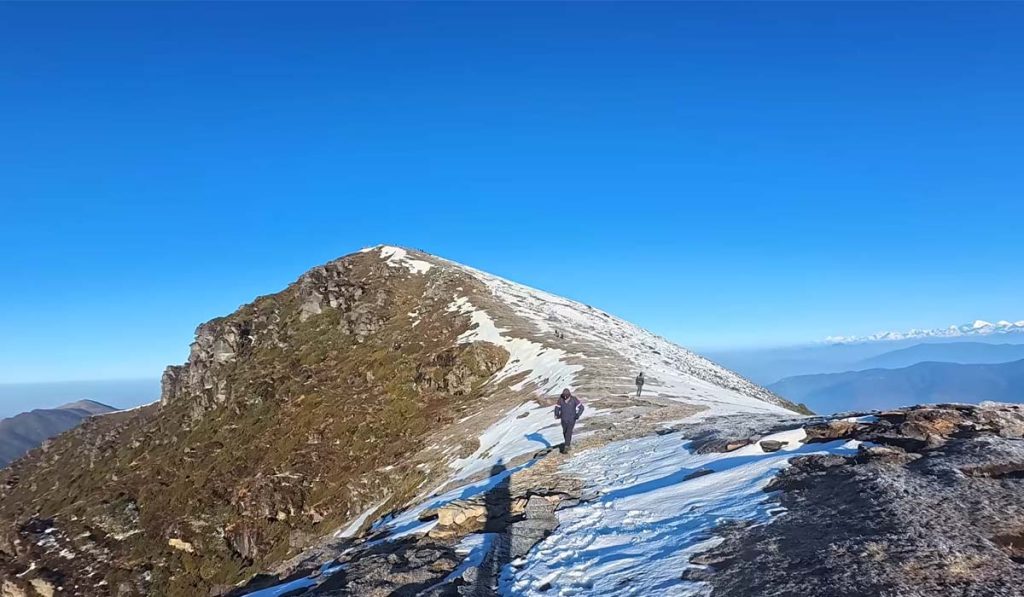
If you are comparing short Himalayan treks with big mountain views, Pikey Peak Trek Facts and Figures can tell you a lot very quickly. This is one of the most rewarding lower-Everest region treks for travelers who want sunrise panoramas, cultural depth, and manageable logistics without committing to the longer Everest Base Camp route.
Pikey Peak sits at 4,065 meters or about 13,336 feet. That number matters because it places the trek high enough for real Himalayan scenery, but generally lower than many classic high-altitude routes in Nepal. On a clear day, the viewpoint is famous for wide views that can include Everest, Makalu, Kanchenjunga, Lhotse, and even Dhaulagiri in the distance. For many trekkers, that is the biggest surprise of this route – the mountain panorama feels much bigger than the trek’s overall length suggests.
Key Pikey Peak Trek facts and figures
Most standard itineraries take 5 to 7 days, depending on road access, start point, and walking pace. Some trekkers complete it in 4 days with a tighter schedule, while others extend it to 8 days for a more relaxed approach and better acclimatization. In practical terms, 6 days is a comfortable middle ground for most reasonably fit walkers.
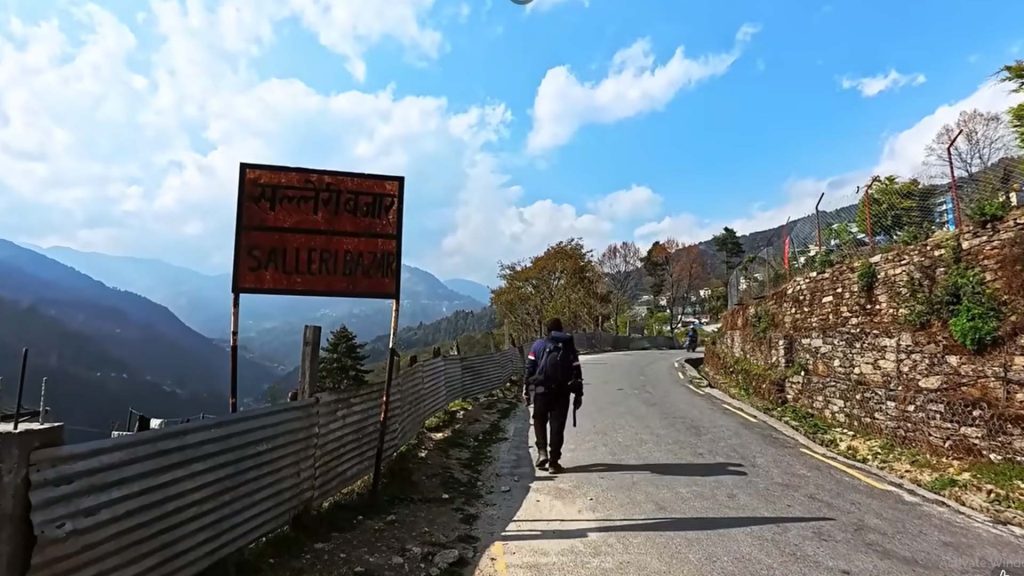
The total trekking distance usually falls between 45 and 65 kilometers, roughly 28 to 40 miles. That range varies because there are different entry and exit options, especially if you begin from Dhap, Jhapre, or a nearby trailhead reached by road from Kathmandu. Daily walking time is commonly 5 to 7 hours, although the summit morning to Pikey Peak viewpoint can feel tougher because of the cold, early start, and uphill gradient.
The usual overnight stops are below the highest point, with popular villages including Dhap, Jhapre, Pikey Base Camp, Junbesi, and Phaplu on some itineraries. Accommodation is generally in basic tea houses or local lodges. Compared with busier routes, facilities are simpler and less commercial, which many trekkers actually prefer. You get a quieter trail, but you should not expect the same range of menus or services found on heavily traveled Everest routes.
Altitude, difficulty, and what the numbers really mean
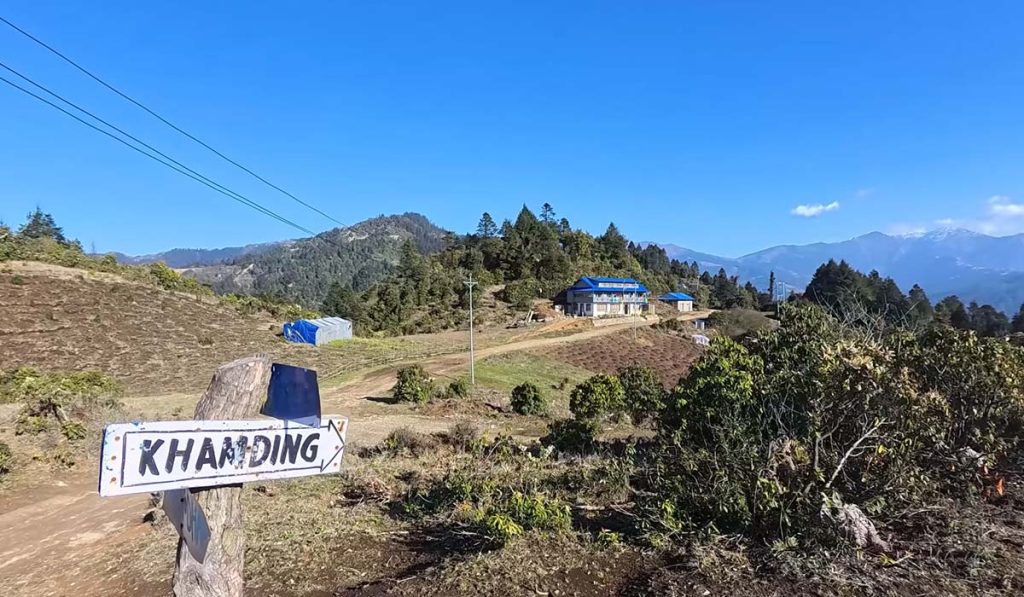
On paper, Pikey Peak is often described as a moderate trek. That is mostly accurate, but only if you read the fine print. The highest sleeping altitude is usually lower than many major Himalayan treks, which reduces altitude risk compared with routes that climb above 5,000 meters. Still, 4,000 meters is not low, and some trekkers do feel the effects of altitude, especially if they rush the itinerary.
The trail itself is not especially technical. You do not need climbing skills, ropes, or mountaineering experience. What you do need is steady fitness for consecutive days of walking, comfort on stone steps and uneven mountain paths, and the ability to handle cold mornings. The summit push is short but often the hardest section because it starts before dawn and the temperature can drop sharply.
A useful way to think about difficulty is this: Pikey Peak is easier than Everest Base Camp, more demanding than a low hill hike, and ideal for trekkers who want a real Himalayan trek without going extremely high.
Permits, access, and seasonal figures
Permit requirements can change, so it is always wise to check current rules before travel. In many cases, trekkers need the local area permit relevant to the route, and depending on the exact itinerary and current regulations, other regional entry requirements may apply. This is one area where local confirmation matters more than outdated blog information.
Access is usually by road from Kathmandu. The drive to the starting point can take around 8 to 10 hours, depending on road conditions and destination. If your itinerary ends in Phaplu, road travel back is common, and in some cases, flight options may be considered when operating conditions allow. Because transport in this area is less fixed than on some major trekking corridors, flexible planning helps.
The best trekking seasons are spring, from March to May, and autumn, from late September to November. Autumn usually gives the clearest mountain views. Spring adds rhododendron forests and milder temperatures. Winter is possible for experienced trekkers who are prepared for cold conditions and occasional snow. Monsoon season is the least favorable because of clouds, mud, and limited visibility.
Why trekkers choose Pikey Peak
The strongest figure is not the altitude or distance. It is the value you get from the route. In less than a week, you can experience Sherpa villages, monastery culture, forest trails, ridge walking, and one of the best sunrise viewpoints in Nepal. That balance is rare.
This trek also works well for travelers with limited time. If you cannot spare two weeks for a longer Himalayan itinerary, Pikey Peak offers a strong alternative. It is also a smart choice for trekkers who want to test themselves at a moderate altitude before attempting bigger routes later.
For planning purposes, the route is best suited to trekkers with decent baseline fitness, a flexible schedule, and realistic expectations about simple mountain lodging. If that sounds like you, Pikey Peak is one of those treks where the numbers look modest, but the experience feels much bigger once you are standing on the ridge at sunrise.