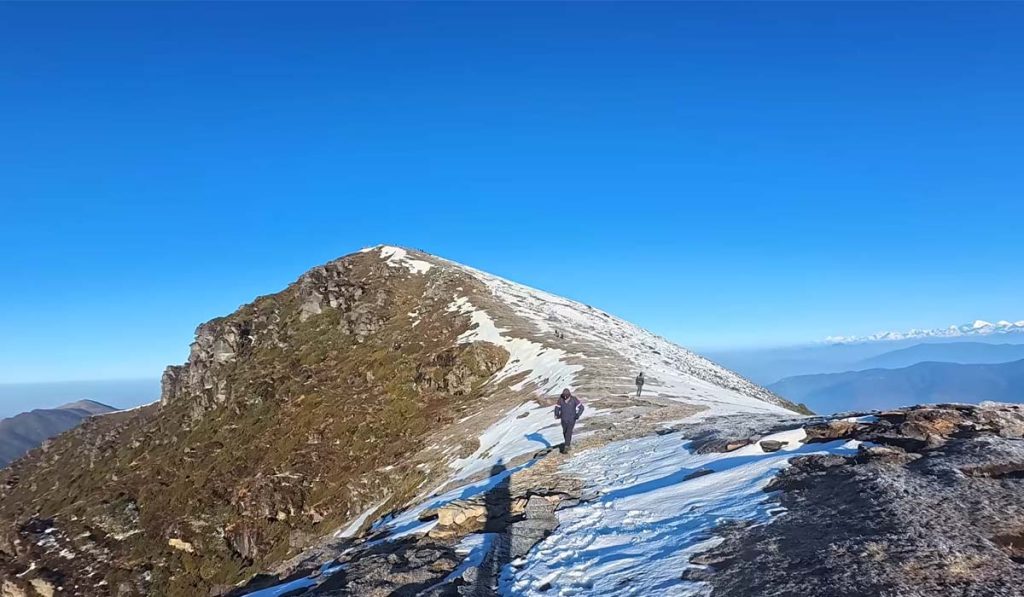
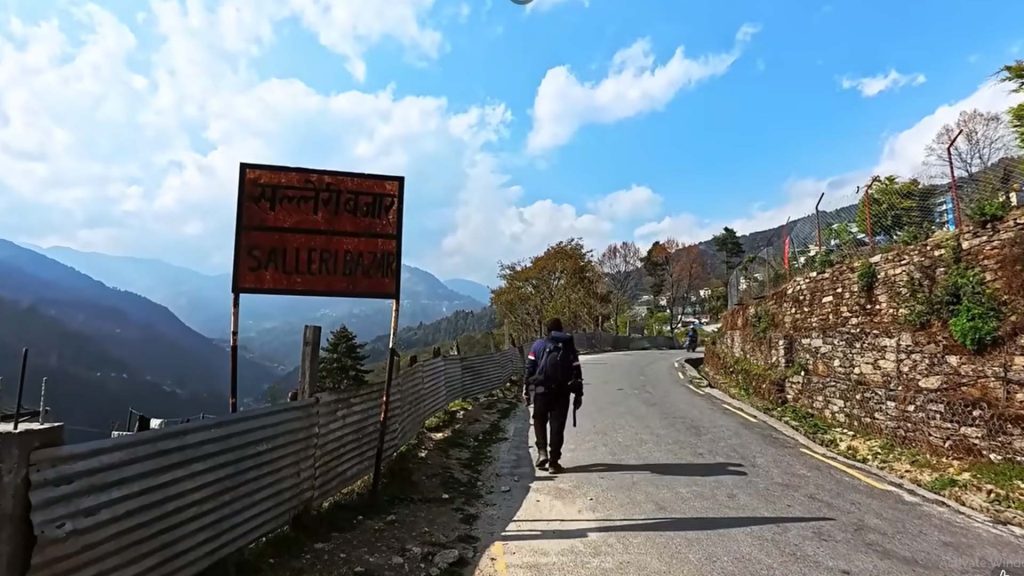
Packing too much can make every uphill section feel harder. Packing too little can leave you cold, wet, or uncomfortable at altitude. That is why a Complete Pikey Peak Trek Packing List matters more than many trekkers expect. Pikey Peak is often described as a lower-altitude Everest viewpoint trek, but conditions still change quickly, mornings are cold, and the trail includes long walking days through exposed ridges, villages, and forest.
This trek does not require expedition gear, but it does reward smart packing. The right clothing system, a well-fitted daypack, and a few small essentials can make a big difference to your comfort and safety. If you are planning Pikey Peak for the first time, think in terms of layering, weather protection, and keeping your load light enough to walk well for several days.
What to pack for the Pikey Peak trek
Pikey Peak is usually completed in a teahouse style, so you do not need to carry camping equipment unless your trip is arranged differently. Most trekkers can manage well with one duffel bag for the main gear and a daypack for items needed while walking. The key is not to pack for every possible situation. Pack for the conditions you are likely to face.
The weather on this route depends heavily on the season. In spring and autumn, daytime walking can feel pleasant, especially at lower elevations, but early mornings and evenings are cold. In winter, temperatures drop much further, and frost is common. During the monsoon, rain protection becomes more important than extra insulation. That means your packing list should stay mostly the same, with a few seasonal adjustments rather than a complete change.
Clothing layers that actually work on the trail
For Pikey Peak, layering is more useful than one heavy jacket worn all day. Start with two or three moisture-wicking base layer tops. One can be worn while trekking, one is kept clean for evenings, and one is a backup. A couple of trekking T-shirts is usually enough. For insulation, bring a fleece or light mid-layer and a down or synthetic insulated jacket for cold mornings, high viewpoints, and evenings at the teahouse.
Your outer layer should be a waterproof and windproof shell jacket. Even in good weather, the wind near Pikey Peak can be sharp, especially before sunrise. A shell with a hood is better than a light windbreaker alone.
For the lower half, two pairs of trekking pants usually work well. Many trekkers also bring a thermal bottom for colder nights or winter departures. Waterproof rain pants are worth carrying, especially if you are trekking outside the dry peak seasons. They are not always used, but when rain or cold wind comes in, you will be glad to have them.
Do not overlook small clothing items. Warm gloves, a beanie or wool hat, a buff or neck gaiter, and several pairs of trekking socks are all useful. Cold hands and cold ears can make an early climb to the viewpoint much less enjoyable. Underwear should be quick-drying and simple to wash.
Complete Pikey Peak Trek Packing List for footwear and bags
Footwear is one area where comfort matters more than brand. Your trekking boots or shoes should already be broken in before arrival. Pikey Peak does not involve technical climbing, but the trail includes stone paths, dirt tracks, uneven sections, and sometimes muddy or snowy ground depending on the season. Midweight trekking boots with ankle support suit many trekkers well, but experienced hikers who prefer trail shoes may also be comfortable in dry conditions.
Bring camp shoes or lightweight sandals for evenings in the teahouse. Taking off your trekking footwear after a full day on the trail is a small comfort that feels much bigger in the mountains.
For bags, most trekkers do best with a duffel bag and a daypack of around 25 to 35 liters. Your daypack should carry water, layers, snacks, sunscreen, valuables, and anything you may need before reaching the next lodge. A rain cover for both bags is a smart addition, especially during the winter dry period.
Sleeping gear and teahouse comfort
Teahouses on the Pikey Peak route are generally basic but sufficient. Rooms usually include beds and blankets, but the warmth and cleanliness of bedding can vary. A good-quality sleeping bag is still one of the most useful items you can bring. For spring and autumn, a warm three-season sleeping bag is normally enough. In winter, you will want a warmer bag suitable for below-freezing nights.
A sleeping bag liner is optional, but many trekkers appreciate it for added warmth and hygiene. Earplugs are also worth packing because teahouse walls are thin and early starts are common.
A small headlamp with extra batteries helps more than people think. Teahouse dining rooms may be lit, but room lighting and power access can be limited. A headlamp is useful for nighttime bathroom trips, pre-dawn starts, and organizing your bag before sunrise.
Daily essentials for the Pikey Peak trail
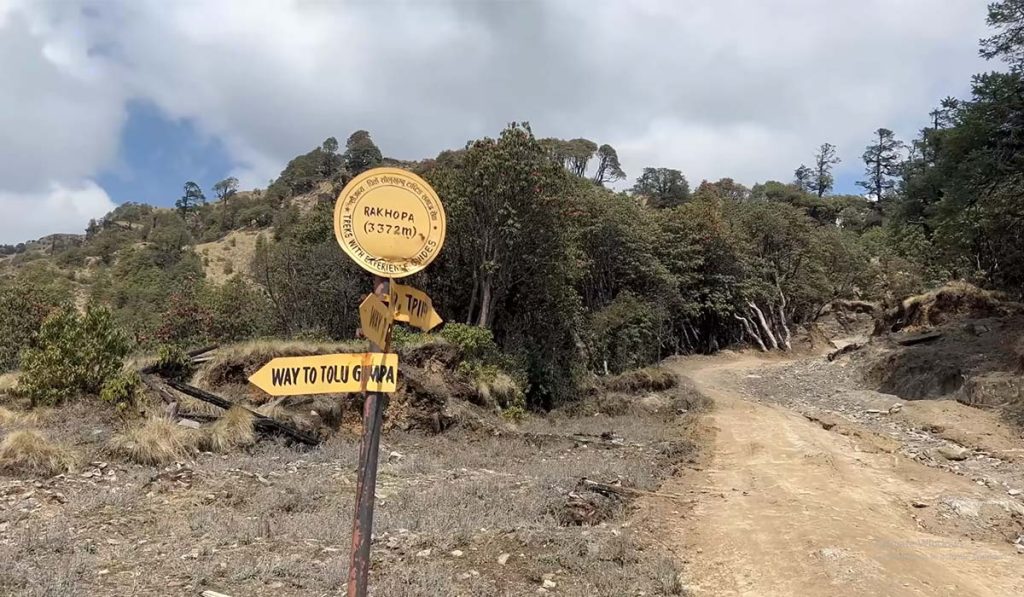
Your water system should be simple and reliable. Carry one or two reusable bottles or a hydration bladder, depending on your preference. Also pack a way to treat water, such as purification tablets, drops, or a filter bottle. Buying bottled water all the way through the trek is expensive and creates unnecessary waste.
Sun protection is essential, even on cooler days. Bring sunglasses with good UV protection, sunscreen, lip balm with SPF, and a hat with a brim or cap. The air feels cool in the hills, but the sun can still be strong, especially on open ridges.
Trekking poles are not mandatory, but many people find them very helpful on both ascents and descents. They reduce strain on the knees and improve balance on uneven paths. For first-time trekkers in Nepal, poles are one of the most practical items to carry.
Keep personal items compact. A toothbrush, toothpaste, wet wipes, a quick-dry towel, hand sanitizer, toilet paper, and a few small toiletries are enough. Avoid bringing large bottles. Decant what you need into small containers.
First aid, medicine, and personal safety
A personal first aid kit should be light but useful. Include blister treatment, pain relief, bandages, antiseptic cream, personal medication, and medicine for common stomach issues. If you are prone to motion sickness during road travel, pack for that as well.
Altitude on Pikey Peak is moderate compared with many major treks in Nepal, but you are still going high enough to take symptoms seriously. Some trekkers discuss altitude medication with their doctor before travel. Whether you carry it or not, the more important rule is to walk steadily, stay hydrated, and not ignore warning signs.
A few extras improve safety without adding much weight. Carry a power bank, charging cable, passport copy, travel insurance details, and some cash in a waterproof pouch. Electricity and mobile coverage may be available in some villages, but neither should be treated as guaranteed throughout the route.
Seasonal packing changes worth making
In spring and autumn, your standard layering system will usually be enough. Add a warm jacket for higher viewpoints and colder nights, but keep the overall load controlled. These are the most popular trekking seasons because the skies are often clearer and trail conditions are generally better.
Winter requires more serious cold-weather preparation. Heavier gloves, a warmer hat, thicker socks, and a better sleeping bag become more important. Snow is possible, and early morning temperatures can be harsh. The trek is still beautiful in winter, but your gear margin needs to be better.
During the monsoon, focus on waterproofing. Dry bags, pack covers, a reliable rain jacket, and quick-drying clothing matter more than extra insulated layers. Trails can be muddy and visibility can be inconsistent, so it is not the easiest season for this route.
What you can leave behind
Many trekkers overpack for Nepal. On Pikey Peak, you do not need multiple heavy jackets, spare jeans, large toiletries, extra gadgets, or several changes of casual clothes. You also do not need technical climbing equipment, crampons, or sleeping mats for a normal teahouse trek.
Books, camera gear, and comfort items are personal choices, but every extra kilogram will be felt on the trail. If something has only a small chance of being used and does not affect safety or warmth, leave it behind.
A practical final check before you go
The best packing list is not the longest one. It is the one that keeps you warm at sunrise, dry in bad weather, comfortable at the teahouse, and light enough to enjoy the walk. Before departure, lay everything out and remove anything that duplicates another item or serves no clear purpose.
Pikey Peak is one of the most rewarding shorter treks in Nepal because it combines quiet trails, village culture, and remarkable Himalayan views without the crowds of more famous routes. Pack with that in mind – practical, balanced, and ready for changing mountain conditions.