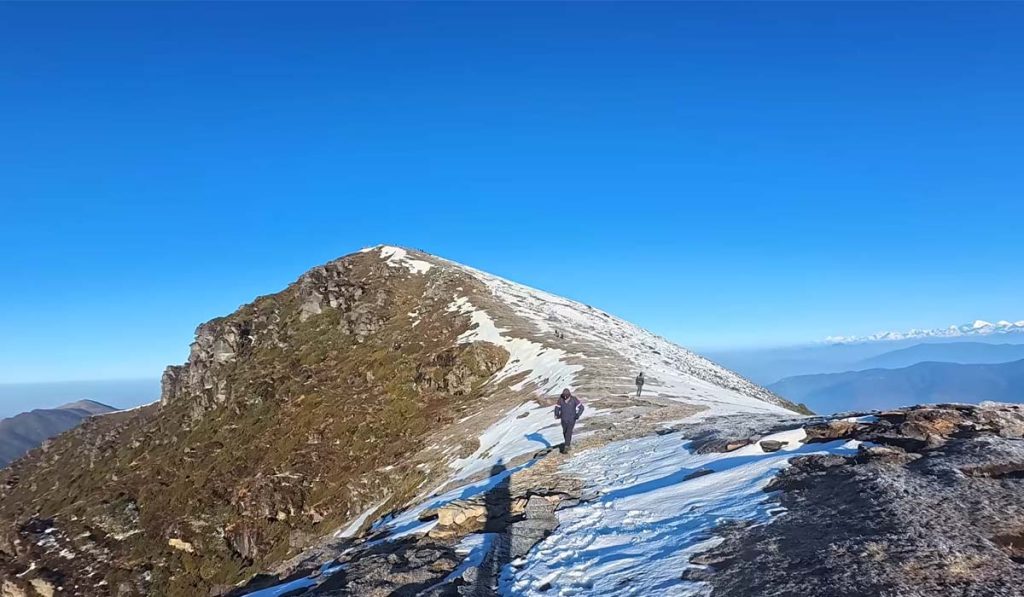
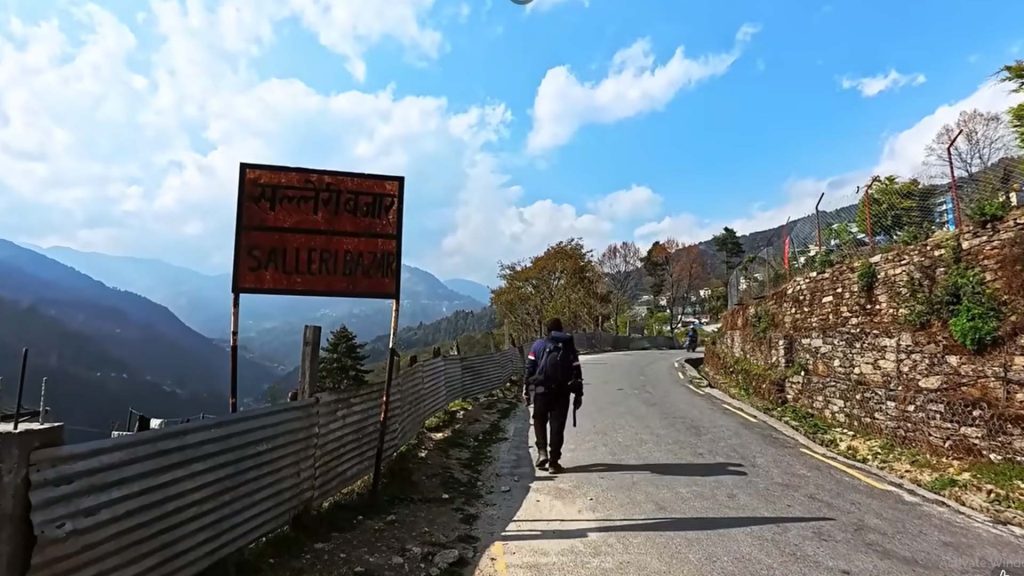
One of the biggest surprises on this trek is how comfortable it can feel compared with many people’s expectations of remote Himalayan travel. Accommodation and food on the Pikey Peak Trek are generally simple but dependable, and for most trekkers, that balance is one of the route’s biggest strengths. You are not walking in complete wilderness, but you are also not on a highly commercial trail. That means you can expect basic lodge life, warm local hospitality, and enough meal options to stay fueled without carrying excessive supplies.
For trekkers planning Pikey Peak for the first time, the real question is not whether there are places to sleep and eat. There are. The more useful question is what standard to expect, how much variety you will get, and where the limitations begin. That is where realistic planning matters.
What is accommodation like on the Pikey Peak Trek
The trek is supported by small tea houses, homestays, and simple mountain lodges in villages along the route. In lower villages and starting points such as Dhap, Jhapre, or Phaplu-side access areas, accommodation can feel fairly comfortable by trekking standards. Rooms are still basic, but you are more likely to find better bedding, more organized dining areas, and sometimes even attached bathrooms in a few places.
As you move higher toward places like Pikey Base Camp and more remote overnight stops, the standard becomes simpler. Most rooms have twin beds with foam mattresses, pillows, and blankets. The walls are usually thin, the insulation is limited, and the room itself is mainly for sleeping. Trekkers should not expect heated bedrooms. The warmest place in the lodge is usually the common dining room, where a stove is lit in the evening.
This is an important distinction. Many first-time trekkers assume the room will feel cozy because blankets are provided. In reality, blankets help, but nights can still be cold, especially in late autumn, winter, and early spring. A proper sleeping bag remains a smart choice even on a relatively short trek like Pikey Peak.
Tea houses, homestays, and lodge quality
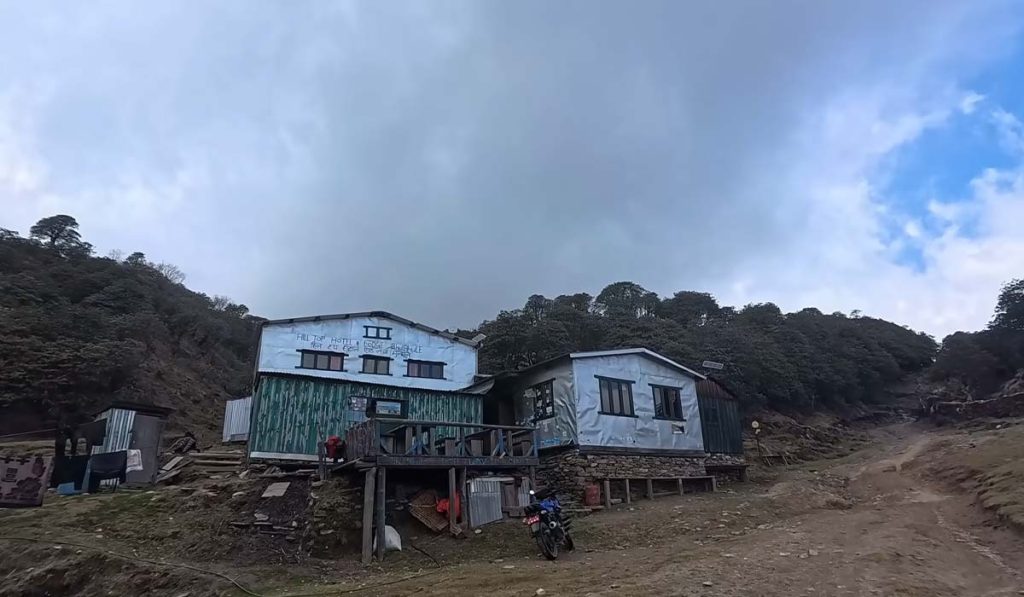
Accommodation on this route is not as standardized as on Everest Base Camp or Annapurna’s busiest sections. Some villages have family-run tea houses that function much like classic trekking lodges, while others feel closer to rural homestays. That is part of the charm of the trek, but it also means quality can vary from one stop to the next.
In practical terms, most trekkers will get a private twin-sharing room if space is available. During the main trekking seasons, especially in October and November, rooms can fill more quickly than some travelers expect because Pikey Peak is becoming more popular. If you are trekking independently, flexibility helps. If you are trekking with organized support, overnight logistics are usually smoother because the stops are planned with local availability in mind.
Do not expect luxury. Expect clean but modest rooms, shared toilets in many places, limited shower access at higher elevations, and occasional bucket washing instead of a full hot shower. Electricity is available in many villages, but charging may cost extra and the power supply is not always consistent.
Accommodation and food on the Pikey Peak Trek by altitude
The lower part of the trek generally gives you the easiest lodge experience. Villages are larger, supplies move more easily, and the menu can be broader. Once you gain elevation, food choices narrow and comfort becomes more basic. This is normal for Nepal trekking routes, and Pikey Peak follows the same pattern.
At lower stops, you may find better vegetable variety, more snack choices, and easier access to items like eggs, fried rice, noodles, chapati, and tea in several forms. At higher stops, the kitchen still provides filling food, but options depend more heavily on what has been carried in recently. If the weather affects transport or there has been a busy trekking period, menu availability can shrink.
This does not mean food is poor. It means expectations should be practical. You are eating to support trekking efforts, not to chase culinary variety.
What food is served on the trail
The core trekking menu on Pikey Peak is similar to what you see on many lodge-based routes in Nepal. Dal bhat is usually the most reliable meal. It includes rice, lentil soup, vegetables, and often a seasonal curry or pickle. For trekkers, this is often the best choice because it is fresh, filling, and widely available. In many lodges, dal bhat also comes with refills, which makes it particularly good value.
Other common meals include fried rice, vegetable noodles, thukpa, Tibetan bread, chapati, pancakes, porridge, eggs, boiled potatoes, pasta, and soup. At some lodges, especially lower down, you may also find momos, macaroni, or simple fried snacks. Breakfast is usually straightforward: porridge, eggs, toast, Tibetan bread, jam, honey, tea, and coffee.
The quality of food is usually better when you choose simple dishes that the kitchen prepares every day. Dal bhat, noodle soup, potatoes, and egg dishes tend to be safer bets than menu items trying to imitate Western meals in a remote setting. A plate of pasta may sound familiar, but a hot bowl of soup or fresh dal bhat is often the more dependable option.
How much should you expect to pay?
Prices on the Pikey Peak Trek are usually lower than on Everest’s main trail, but they still rise with altitude and remoteness. Every ingredient, gas cylinder, and drink has to be transported, so menu costs reflect that reality. A meal that seems inexpensive in Kathmandu will cost more in the hills, and a meal at a higher overnight stop will often cost more than the same item lower down.
Trekkers should budget for three meals a day, hot drinks, snacks, and small extras such as charging, hot showers, or bottled water if they choose to buy it. If you are trying to keep costs sensible, eat local staples, carry a refillable bottle with water purification support, and avoid depending too much on packaged snacks and soft drinks.
One mistake some trekkers make is budgeting only for room prices. On many Nepal treks, rooms can be relatively cheap, while food becomes the main daily expense. That pattern often applies here as well.
Drinking water, hygiene, and food safety
Safe hydration matters more than menu variety. Most trekkers use boiled water, filtered water, or purified tap water rather than relying on bottled water throughout the trek. Bottled water may be available in some places, but it is less sustainable and more expensive the higher you go.
For food safety, the usual mountain rules apply. Eat freshly cooked meals, favor hot food over cold food, and be cautious with raw items at higher lodges. Hygiene standards are generally acceptable for trekking conditions, but this is still a rural mountain route. Kitchens work hard with limited infrastructure. Choose food that is cooked thoroughly and served hot.
Tea, ginger tea, garlic soup, black tea, and coffee are widely available. Garlic soup is popular among trekkers, though it should be treated as a warming trail food rather than a medical solution for altitude.
Vegetarian, vegan, and special diet expectations
Vegetarian trekkers usually do quite well on the Pikey Peak route because many standard meals are naturally vegetarian or can be prepared that way. Dal bhat, vegetable fried rice, noodle soup, potato dishes, pancakes, porridge, and bread-based breakfasts are all common.
Vegan trekkers can manage the trek, but it helps to communicate clearly and keep expectations flexible. Milk tea, butter, eggs, and cheese appear often in lodge cooking, so you need to specify what you want to avoid. At smaller lodges, the concept of vegan food may not always be familiar in name, but the staff usually understand simple requests when explained directly.
Gluten-free trekking is harder. Some naturally gluten-free options exist, such as rice, potatoes, lentils, and certain egg dishes, but cross-contact in small kitchens is possible. If you have a serious allergy or strict dietary restriction, carry backup snacks and discuss your needs well in advance.
What to carry for extra comfort
Even though the route has lodges, a few personal items make a noticeable difference. A sleeping bag adds warmth and hygiene confidence. Water purification tablets or a filter bottle save money and reduce plastic waste. Snacks such as nuts, energy bars, or electrolyte mixes help on long walking days, especially if your appetite drops at altitude.
Wet wipes, toilet paper, and a headlamp are also useful because lodge facilities are basic. If you like coffee, bring your preferred instant option. Tea is easy to find, but coffee quality can be inconsistent on smaller routes.
Seasonal changes that affect food and lodging
Spring and autumn are the most reliable seasons for trekking comfort. Lodge operations are more active, access is easier, and menu choice is generally better. In winter, the route can be beautiful and far quieter, but cold rooms, frozen pipes, and reduced lodge activity become more likely. Some places may operate with limited staff or reduced food variety.
During monsoon, the trail is greener and less busy, but damp conditions can affect comfort, drying clothes becomes harder, and road access for supplies may be less predictable. Trekkers going in the off-season should plan with more flexibility and confirm lodge availability where possible.
Is the Pikey Peak Trek comfortable enough for first-time trekkers?
For many first-time trekkers in Nepal, Pikey Peak is a good middle ground. It offers a genuine Himalayan lodge trek without the logistical pressure of a more crowded high-altitude circuit. The accommodation is basic, but usually manageable for anyone with realistic expectations. The food is simple, but sufficient and often satisfying after a full day on the trail.
The trek is most enjoyable when you stop comparing it with a hotel-based trip and instead judge it by mountain standards. On those terms, Pikey Peak does well. You get local hospitality, hot meals, a bed each night, and one of the finest viewpoints in lower Everest country. If you prepare for simple rooms, straightforward food, and a little variation from village to village, you are unlikely to be disappointed.
That is the key to this route – not expecting luxury, but appreciating how much comfort these small mountain lodges provide in such a quiet and beautiful part of Nepal.