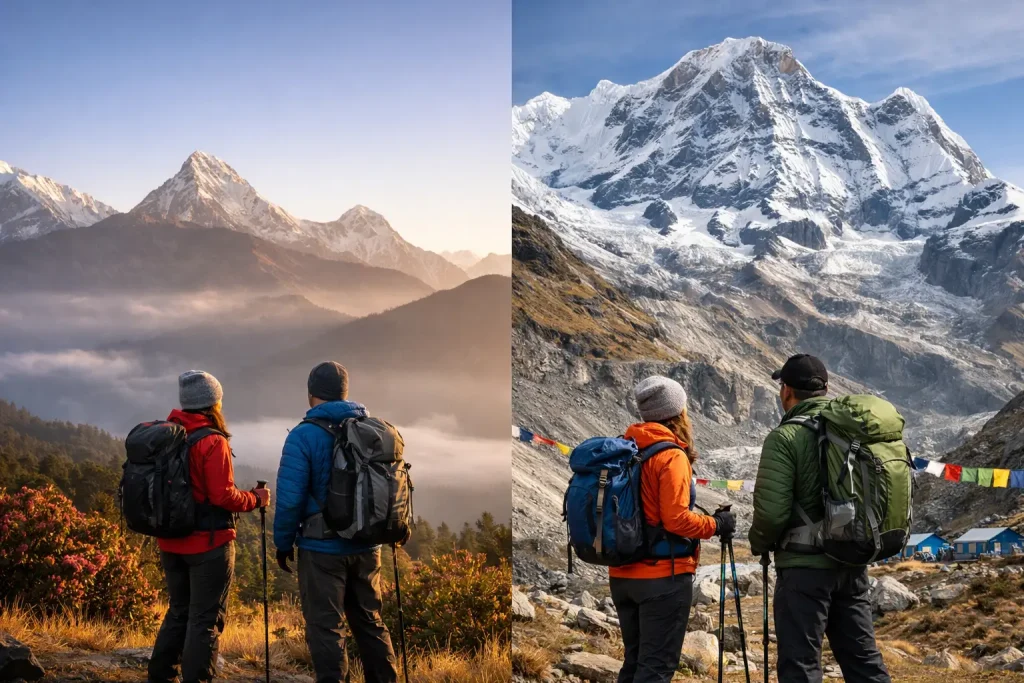
Most trekkers are surprised by the same thing on Poon Hill – it is not technically hard, but it can still feel physically demanding if you arrive unprepared. How Difficult Is the Poon Hill Trek? For most people with average fitness, it is one of the easier Himalayan treks in Nepal, but that does not mean effortless. The combination of repeated stone staircases, steady uphill walking, and early morning climbs can make it tougher than the short itinerary suggests.
That is why Poon Hill is often recommended for first-time trekkers. It gives you mountain views, village stays, rhododendron forests, and a real taste of trekking in the Annapurna region without the higher altitude risks and long expedition feel of bigger routes. Still, the right expectation matters. If you think of it as a casual hill walk, the trail may feel harder than expected.
How difficult is the Poon Hill Trek for most trekkers?
The Poon Hill Trek is generally considered easy to moderate. For healthy beginners, it is achievable with basic preparation. For experienced hikers, it usually feels straightforward. For people who rarely walk uphill, have knee problems, or are not used to back-to-back hiking days, it can feel more demanding than the label “easy” implies.
The main reason is not altitude alone. The real challenge comes from the trail profile. Many sections involve long ascents and descents on stone steps. In Nepal, stairs on trekking routes are often more tiring than gradual dirt trails because they force your legs to work harder and reduce your natural rhythm. A short day on paper can still feel long when much of it is uphill.
Most classic Poon Hill itineraries take 4 to 5 days, depending on the starting point and pace. Daily walking is usually around 4 to 6 hours, though some days are shorter and the sunrise hike to Poon Hill itself is usually added before breakfast. That early climb, often in cold and dark conditions, is the part many trekkers remember as the toughest stretch.
What makes the Poon Hill Trek challenging?
The trek stays at a relatively moderate altitude compared with routes like Everest Base Camp or Annapurna Circuit, which is a major reason it is seen as beginner-friendly. Poon Hill viewpoint sits at about 3,210 meters or 10,531 feet. Ghorepani, where many trekkers stay before the sunrise hike, is slightly lower. At this elevation, some people may feel mild effects of altitude, such as shortness of breath, disturbed sleep, or a light headache, but serious altitude problems are much less common than on higher treks.
The bigger factor is the uphill walking. If you start from Tikhedhunga or Ulleri, you will face one of the trek’s most talked-about sections: a long staircase climb to Ulleri. It is not dangerous, but it can be punishing on the lungs and legs, especially in warm weather or if you are carrying your own heavy pack. Even fit trekkers notice it.
Weather also changes the difficulty. During the main trekking seasons – spring and autumn – the trail is usually in good condition. In winter, cold mornings and occasional ice can make the path more uncomfortable. In monsoon season, rain, mud, leeches, and slippery stones add another layer of difficulty. So the same trek can feel quite different depending on the month.
Altitude on the Poon Hill Trek
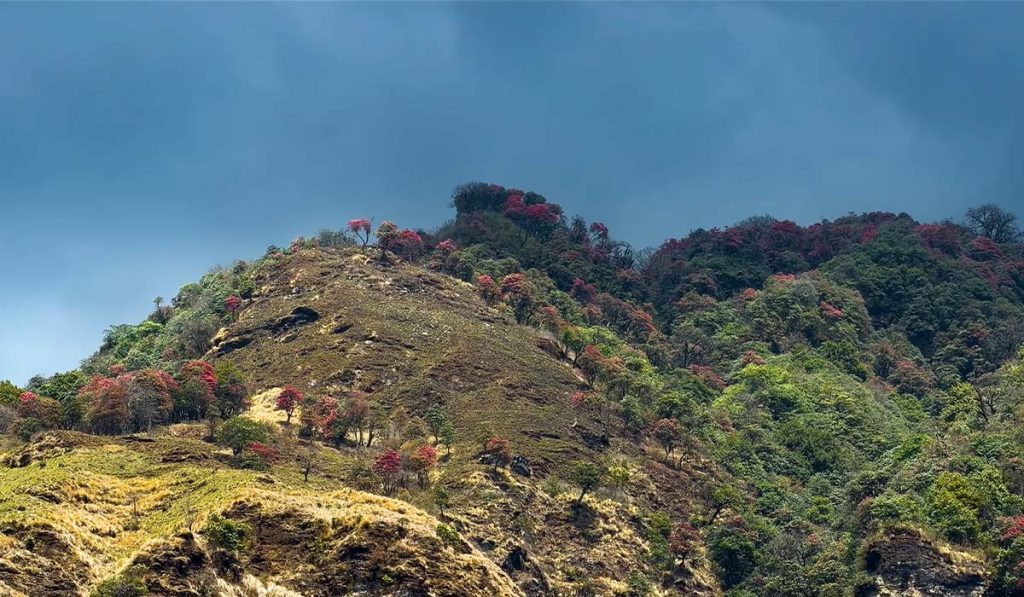
Altitude is part of the difficulty, but it is not usually the deciding factor. Because the trek does not go extremely high, most trekkers complete it without major altitude issues. That said, going above 3,000 meters is still enough for some people to feel the thinner air, especially if they come directly from sea level and move quickly.
The good news is that the itinerary is short and the sleeping elevations remain moderate. This reduces the risk significantly. Still, if you walk too fast, drink too little water, or ignore early symptoms, even a lower-altitude trek can become unpleasant. A steady pace matters more than speed here.
If your main concern is altitude sickness, Poon Hill is one of the safer choices among Nepal’s famous treks. If your main concern is stamina on uphill trails, that is where you should focus your preparation.
Is the Poon Hill Trek suitable for beginners?
Yes, in most cases it is. Poon Hill is one of the best treks in Nepal for beginners because it offers a manageable route, teahouse accommodation, clear trails, and strong rewards for a relatively short effort. You do not need mountaineering skills, ropes, or previous high-altitude trekking experience.
But beginner-friendly does not mean preparation-free. A first-time trekker who walks regularly, can manage a few hours of uphill hiking, and understands basic trekking pace will usually do well. A first-time trekker who does little physical activity and expects comfort similar to a city vacation may struggle.
For families, older trekkers, and travelers with limited time, Poon Hill is often a strong option because the logistics are simpler than longer Himalayan routes. It also has enough villages and lodges along the way that you can adjust the pace if needed. That flexibility reduces the pressure many first-time trekkers feel.
Trail conditions and walking experience
The route is well-established and easy to follow. You pass through villages such as Ulleri, Ghorepani, and Ghandruk, with stone-paved paths, staircases, forest sections, and terraced farmland. The trail is not remote in the same way as Manaslu or Dolpo. That makes it more reassuring for people new to trekking in Nepal.
Still, the terrain should not be underestimated. Stone steps are beautiful and culturally distinctive, but they can be hard on the knees during descent. Trekking poles help a lot, especially on the way down. Good footwear also matters because smooth soles can slip on wet stone.
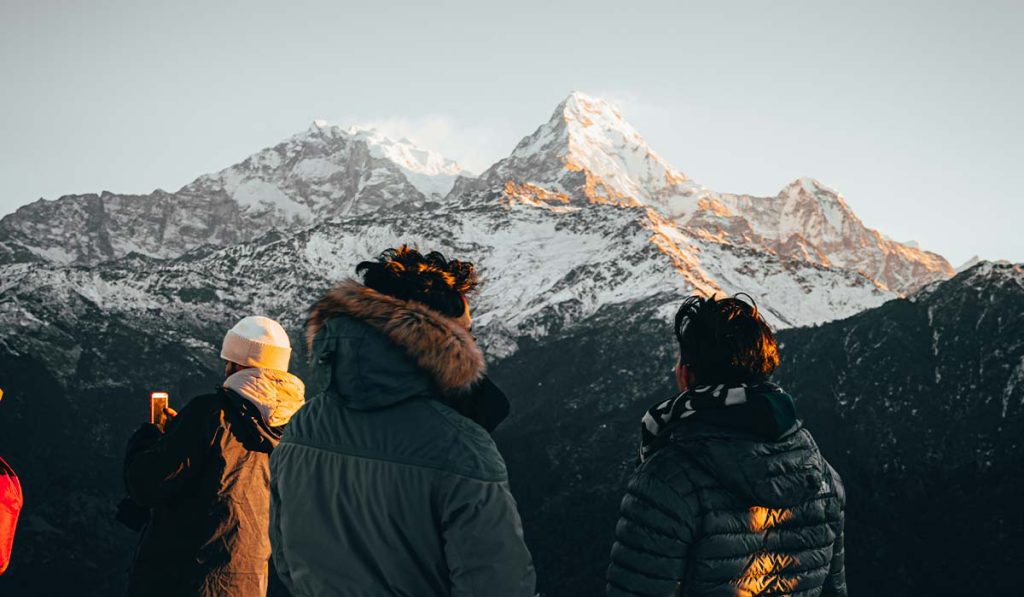
One more thing many trekkers do not expect is the early start for sunrise. The hike from Ghorepani to Poon Hill usually begins before dawn. It is short, but steep enough to raise your heart rate quickly, and the cold can make the first 20 minutes feel harder than the distance suggests. Once the sun hits the Annapurna and Dhaulagiri ranges, most people forget the discomfort quickly.
How fit do you need to be?
You do not need elite fitness for the Poon Hill Trek. You do need reasonable walking fitness. If you can comfortably hike for 4 to 6 hours in a day with hills, you are already in a good position. If you live in a flat area, stair climbing, treadmill incline walking, cycling, and regular long walks are all useful preparation.
Leg endurance matters more than speed. The trek is not about racing. It is about being able to keep a steady pace over consecutive days. Many trekkers who are strong in the gym still find stairs tiring because trekking uses sustained effort rather than short bursts.
If you have knee pain, poor balance, or breathing issues, the trek may feel harder for you than the standard rating suggests. In that case, choosing a slower itinerary, hiring a porter, and trekking in stable weather can make a big difference.
Who may find Poon Hill harder than expected?
Some groups tend to underestimate this trek. The first are travelers who only look at the maximum altitude and assume a lower altitude means an easy walk. The second are people who are active in daily life but do not have much experience with climbing long staircases. The third are trekkers trying to fit the route into a very rushed schedule.
A faster itinerary often makes the trek feel harder, not easier. When you push from village to village without enough rest, the uphill sections become less enjoyable and the descent more painful. A slightly more relaxed pace gives you time to enjoy the forests, mountain views, and Gurung and Magar villages that make this route special.
How to make the trek feel easier
Preparation changes the experience more than people think. Walking regularly for a few weeks before the trek helps a lot. So does carrying only what you need, staying hydrated, and keeping your pace slow on uphill sections. Many strong trekkers make the mistake of starting too fast on the first day and pay for it later.
Packing light is one of the easiest wins. Even a few extra kilograms can make stair climbs noticeably harder. If your budget allows, a porter can make the trek much more comfortable and let you enjoy the trail rather than manage fatigue from a heavy bag.
Timing matters too. In clear spring and autumn conditions, the route is far more pleasant than in heavy rain or winter cold. If your goal is an easier and more enjoyable first trek, choose a stable season.
Final answer: is Poon Hill difficult?
Poon Hill is not one of Nepal’s hardest treks, but it is not a simple walk in the park either. For most trekkers, it sits in the easy-to-moderate range: manageable, rewarding, and realistic for beginners with decent fitness. The main challenge is the repeated uphill and downhill walking on stone steps, not technical terrain or extreme altitude.
If you come prepared, respect the pace, and understand that a short Himalayan trek can still test your legs, Poon Hill is a very achievable adventure. It is often the trek that shows people they are capable of more in Nepal than they first imagined.