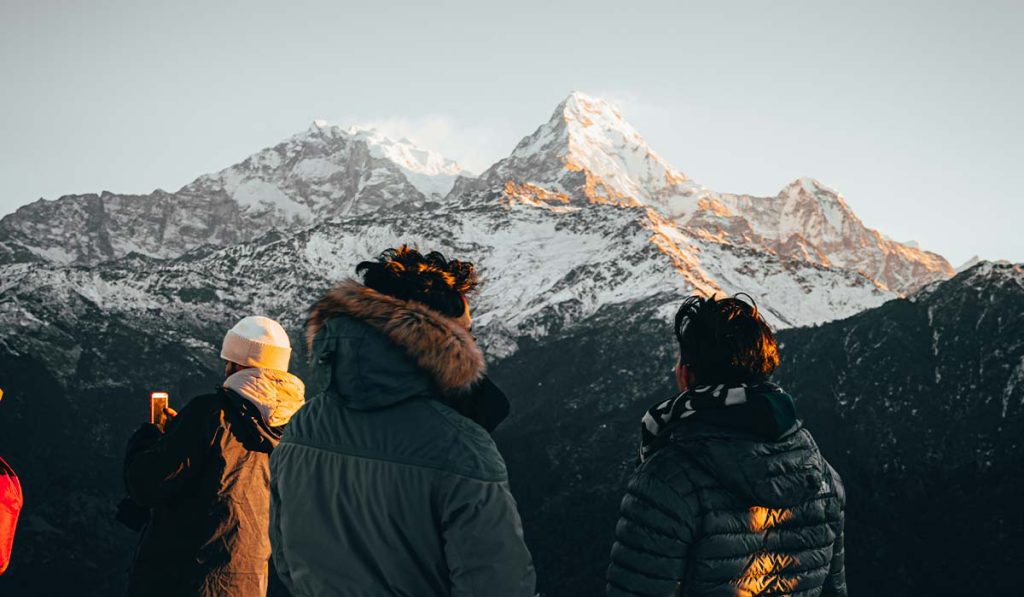
The Poon Hill trek is often described as one of Nepal’s easier short treks, but that label can mislead people. Mental Preparation for Trekking for Poon Hill matters just as much as boots, layers, and fitness because many trekkers struggle not with technical terrain, but with early starts, steep stair sections, changing weather, basic lodge conditions, and the simple shock of being out of routine.
If you arrive expecting a casual walk with perfect mountain views on demand, the trek can feel harder than it should. If you arrive ready for discomfort, flexible with conditions, and patient with your own pace, the same route feels far more enjoyable. That shift in mindset makes a real difference on Poon Hill.
Why mental preparation matters on the Poon Hill trek
Poon Hill is beginner-friendly compared with longer and higher treks in Nepal, but it still asks something from you each day. There are many uphill and downhill stone steps, especially around Ulleri and on approach sections between villages. Even fit travelers are often surprised by how tiring continuous steps can feel.
Then there is the rhythm of trekking itself. You wake early, walk for hours, sleep in simple teahouses, and rely on weather that may or may not cooperate. For some people, the physical part is manageable, but the mental side becomes the real challenge. Fatigue makes small problems feel bigger. A cloudy sunrise can feel disproportionately disappointing if that view was the only thing you focused on before the trip.
Good mental preparation does not mean pretending the trek will be easy. It means understanding the likely pressures and meeting them calmly.
Set the right expectations before you start
A large part of trekking stress comes from expectation gaps. Travelers imagine quiet trails, clear skies, instant confidence at altitude, and constant energy. On the ground, the experience is more mixed. Some days are beautiful and smooth. Other days are damp, crowded, cold in the morning, or tiring in ways you did not anticipate.
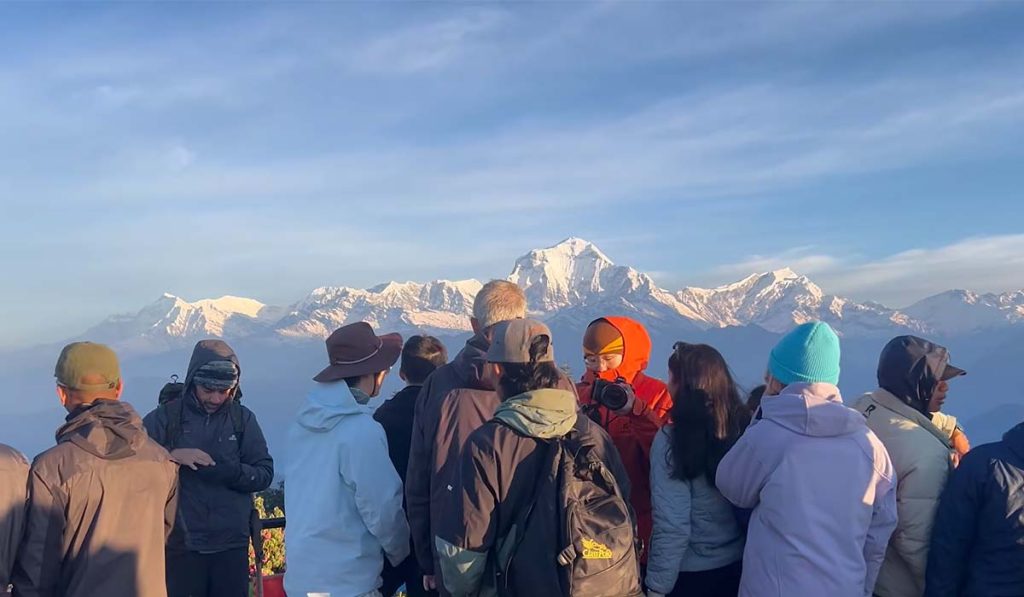
The better mindset is to expect variation. You may get spectacular sunrise views over Annapurna South, Dhaulagiri, Machhapuchhre, and Hiunchuli. You may also get cloud cover on the morning you climb to the viewpoint. Both are part of the trekking experience.
This is especially important for first-time trekkers in Nepal. Poon Hill is famous because it gives a lot of Himalayan scenery in a relatively short itinerary, but it is still a real mountain trek, not a packaged scenic stroll. Teahouses are generally comfortable but simple. Showers may be limited or cost extra. Bedrooms are basic. Food is filling rather than luxurious. If you expect simplicity, you usually adapt well.
Accept that discomfort is part of the experience
One of the strongest forms of mental preparation is learning to stop negotiating with every discomfort. Trekking days are better when you do not treat cold mornings, sore legs, or a basic room as signs that something has gone wrong.
On the Poon Hill route, common discomforts are predictable. Your calves may feel tight after long descents. Your breathing may become heavier on steep climbs. You may sleep lightly on the first night. You may not enjoy the alarm for the pre-dawn hike to the viewpoint. None of this means you are failing.
When trekkers resist these realities, they waste energy asking why the trek feels hard. When they accept them, they save mental strength for the trail itself. The goal is not to feel comfortable every hour. The goal is to stay steady, safe, and open to the experience.
Mental Preparation for Trekking to Poon Hill starts with pace
A common mistake on shorter treks is rushing because the route does not seem very long on paper. Poon Hill is not an expedition trek, but that does not mean speed helps. In fact, haste usually creates frustration.
A measured pace helps physically and mentally. When you walk too fast early in the day, every climb starts to feel like a test. When you walk at a sustainable rhythm, the route feels more manageable and your confidence stays intact. This matters most on steep stone stair sections where many trekkers compare themselves to others and become discouraged.
Ignore other people’s speed. Some porters and local walkers move very fast because this terrain is normal for them. Some trekkers will also push hard on the first day and pay for it later. Your best pace is the one that lets you breathe steadily, take short breaks, and still enjoy where you are.
A calm pace also keeps your thinking clear. That is often the difference between a tiring day and a miserable one.
Learn how to handle the early-morning summit push
For many trekkers, the climb to Poon Hill viewpoint before sunrise is the most emotional part of the trip. It is dark, cold, and often crowded in peak season. You are walking uphill before your body is fully awake, usually with a headlamp, and everyone around you seems focused on reaching the top quickly.
This is where mental preparation helps most. Expect the morning to feel harder than it looks in photos. Expect the cold to bite at first. Expect your legs to feel heavy for the first stretch. If you know that beforehand, you are less likely to feel unsettled by it.
Instead of thinking only about the final viewpoint, break the climb into smaller pieces. Focus on breathing, footing, and steady forward movement. If you need brief pauses, take them without embarrassment. Many people who enjoy the sunrise most are not the fastest. They are simply the ones who stayed composed on the way up.
Be realistic about altitude without becoming anxious
Poon Hill is not a high-altitude expedition route, but it still reaches over 3,000 meters. Most trekkers do well here, yet some feel mild effects from elevation, especially if they arrive tired, dehydrated, or rushed from travel.
The right mindset is balanced caution. You do not need to become overly worried about altitude on this trek, but you should not dismiss it either. If you feel a mild headache, reduced appetite, or unusual fatigue, pay attention. Rest, hydrate, eat well, and communicate clearly with your guide or companions.
Anxious trekkers sometimes interpret every normal sensation as altitude sickness. Others ignore clear warning signs because they assume Poon Hill is too easy for problems. Neither approach is helpful. Stay observant, stay honest, and avoid self-diagnosing every symptom in panic.
Manage comparison and protect your confidence
Trekking exposes people to comparison very quickly. Someone older than you may walk faster uphill. Someone with less hiking experience may look more relaxed. Another trekker may say the route feels easy while you are struggling through steps and sweat.
That comparison can quietly damage your morale. Poon Hill is a short trek, but it still places different demands on different bodies. Previous hiking background, sleep, hydration, weather tolerance, travel fatigue, and mindset all affect performance.
Treat the trek as your own process. If you need more pauses, take them. If you feel nervous on descents, slow down. If the mountain views lift your mood, stop and enjoy them instead of marching with your head down just to match others.
Confidence on a trek does not come from proving something to strangers. It comes from adjusting well and finishing each day in good shape.
Prepare for simple living and changing conditions
Mental flexibility is one of the most useful trekking skills in Nepal. Conditions change. Weather shifts. Rooms differ from lodge to lodge. Hot water may be available one day and limited the next. Charging devices may be easier in one stop than another. Trails can be busy in spring and autumn.
If you are mentally rigid, every small change feels like a problem. If you are adaptable, these details remain what they are – minor parts of a much larger experience.
Before the trek, remind yourself that teahouse trekking is not about controlling every comfort. It is about functioning well within a simpler routine. Eat, walk, rest, repeat. Once you settle into that pattern, the trek becomes mentally easier.
How to train your mindset before the trip
Mental readiness is not built only on the trail. In the weeks before your trek, you can practice small habits that make a noticeable difference. Train with walks that include hills or stairs, but do not only focus on strength. Also notice how you respond when you feel tired, sweaty, or inconvenienced. That reaction is part of trek preparation.
It also helps to practice patience. Long travel days, delayed transport, and imperfect sleep are common parts of Nepal trekking logistics. A traveler who can stay calm through minor disruptions usually enjoys the trek far more than someone who expects every detail to run exactly to plan.
Finally, prepare your reasons for going. If your only goal is getting a perfect sunrise photo, your motivation becomes fragile. If your goal includes walking through villages, seeing the Annapurna landscape, testing yourself a little, and enjoying the rhythm of the trail, you will be more resilient when conditions are not perfect.
The best mindset to carry on the trail
The strongest mindset for Poon Hill is simple: stay steady, stay flexible, and let the trek unfold one section at a time. You do not need to be fearless, and you do not need to feel strong every hour. You only need to keep moving with patience, honesty, and enough humility to respect the mountain environment.
That is usually what separates trekkers who merely complete Poon Hill from those who genuinely enjoy it. The mountain views are memorable, but so is the confidence that comes from handling the climb, the cold morning, the basic comforts, and the changing conditions with a clear head. If you prepare for that side of the journey, Poon Hill often feels not just manageable, but deeply rewarding.