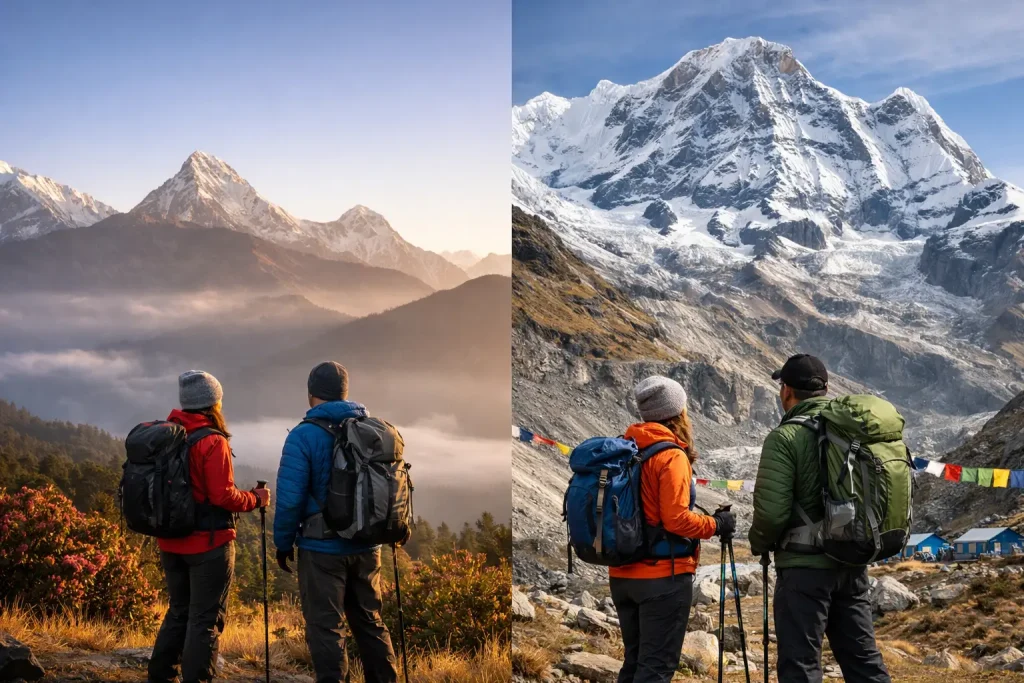
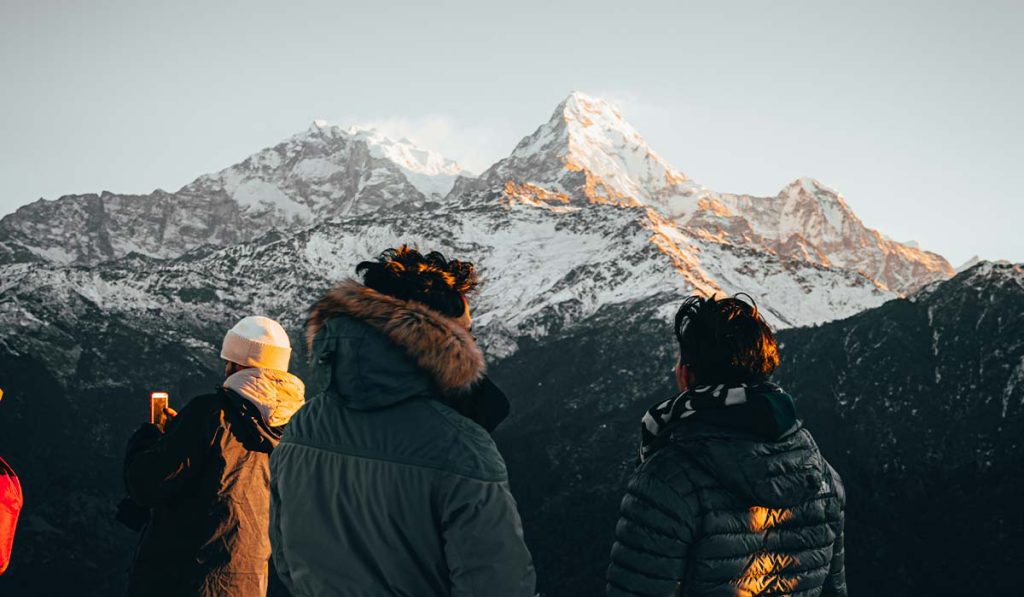
Finding a good bed on the Ghorepani route is usually easy, but choosing the right village for the night can make your trek far more comfortable. This Accommodation Guide by Village on Ghorepani Poonhill trek explains what kind of teahouses you can expect in each main stop, how facilities change with altitude, and where it makes sense to sleep based on your walking pace, season, and itinerary.
The Ghorepani Poon Hill trek is one of Nepal’s most accessible short treks, and that is exactly why accommodation planning still matters. Many trekkers assume this route is so established that any room will do. In reality, village choice affects sunrise timing, crowd levels, room quality, access to hot showers, and how hard each trekking day feels. If you know what to expect from Ulleri, Banthanti, Nangethanti, Ghorepani, Tadapani, Ghandruk, and other overnight stops, you can plan a smoother and more enjoyable trek.
What accommodation is like on the Ghorepani Poonhill trek
Accommodation on this trek is almost entirely in teahouses or lodges. These are simple mountain guesthouses run by local families. Most rooms are basic, usually with two single beds, a foam mattress, pillow, and blanket. The rooms are not heated, and bathrooms may be attached in some lower villages but are more often shared as you go higher.
The standard improves and declines depending on the village, not only the altitude. Lower villages often have slightly larger lodges and easier access to supplies, while famous overnight hubs like Ghorepani have many options but also heavier demand in peak trekking months. During spring and autumn, the better rooms get taken first, especially those with attached bathrooms or better views.
Food is served in a common dining hall, which is usually the warmest place in the lodge because of the stove in the evening. Electricity, Wi-Fi, charging, and hot showers are commonly available, but they may cost extra and become less reliable in bad weather or high occupancy periods.
Accommodation Guide by Village on Ghorepani Poonhill trek
Nayapul, Birethanti, and Tikhedhunga
Some trekkers start walking from Nayapul and continue straight upward, while others spend a night lower down depending on arrival time from Pokhara. Accommodation here is the most comfortable on the route. You will find a wider range of lodges, private bathrooms in some properties, easier access to shops, and more flexible meal choices.
Birethanti is often used as a brief stop rather than a full overnight halt, but it can be practical if you begin late. Tikhedhunga used to be one of the classic overnight villages before many trekkers started pushing farther. It still works well for anyone who wants a shorter first day. Rooms here are usually basic but comfortable, and the lower altitude means a warmer night and better sleep.
If you are a first-time trekker or traveling with children, stopping lower can make the steep stair climb to Ulleri more manageable the next morning.
Ulleri
Ulleri is one of the most common overnight stops on the first day. After the long uphill section of stone steps, many trekkers are happy to stop here rather than continue farther. The village has a good number of teahouses, and because it is well established, you can usually find a room without too much trouble outside the busiest dates.
Rooms are still simple, but the village generally offers decent lodge quality for the route. Some teahouses have attached bathrooms, though shared toilets are still more common. Hot showers are often available for an extra charge. Since Ulleri is spread along the slope, the exact lodge location affects how much climbing you still do after arrival.
Ulleri is a smart overnight choice if you want to break up the ascent and avoid turning the first day into an exhausting push.
Banthanti and Nangethanti
These villages are smaller and often used as rest or lunch stops, but they can also serve as overnight options. Banthanti sits in a forested section and is quieter than Ulleri or Ghorepani. If you prefer a less crowded evening and do not mind fewer lodge choices, it can be a pleasant stop.
Nangethanti is closer to Ghorepani and sometimes works well if Ghorepani is full or if you want to shorten the next morning’s climb to Poon Hill only slightly less than from Ghorepani itself. Accommodation here is more limited, and room standards are straightforward rather than comfortable in any luxury sense. Still, for trekkers who value a quieter village, it can be a useful alternative.
The trade-off is simple: fewer crowds, but fewer facilities and less choice.
Ghorepani
Ghorepani is the key overnight village on the trek and the most important accommodation decision for most travelers. It is the usual base for the early morning hike to Poon Hill, so staying here gives you the shortest and most practical access to sunrise.
Because Ghorepani is such a popular stop, the village has many lodges, ranging from very basic teahouses to better-managed guesthouses with cleaner rooms and more organized service. Even so, popularity creates pressure. In peak season, rooms can fill quickly, and if you arrive late in the afternoon, your choices may be limited.
Expect cold nights, shared bathrooms in many lodges, and extra charges for hot showers, charging, and Wi-Fi. The dining halls are lively, and on busy evenings they can feel crowded. If you want a quieter night, ask for a room away from the dining area. If you want the best sunrise logistics, staying in upper Ghorepani saves time and effort in the dark before the Poon Hill climb.
For most trekkers, Ghorepani is still the best overnight stop despite the crowds. It places you exactly where you need to be for the main viewpoint.
Tadapani
After Poon Hill and the day’s walk beyond Ghorepani, Tadapani becomes the next major overnight village for many itineraries. The setting is beautiful, with forest surroundings and, in clear weather, excellent mountain views. Accommodation here is generally good by trek standards, though still simple.
Tadapani lodges often feel more scenic than those in Ghorepani, but facilities can be a little more limited depending on the property. Water may be colder, rooms may feel damper in wet conditions, and charging can be slower or more expensive. On the other hand, the atmosphere is often calmer, especially after the busy flow through Ghorepani.
This is a strong overnight stop if your route continues toward Ghandruk or if you want a balanced day after the Poon Hill sunrise walk.
Ghandruk
Ghandruk offers some of the best accommodation on the trek in terms of comfort, variety, and village setting. As a large Gurung settlement with road access in some seasons and strong tourism infrastructure, it has lodges that feel more developed than many higher villages.
You are more likely to find attached bathrooms, better room finishing, larger dining areas, and broader food options here. Views can also be excellent, especially from lodges positioned on the edge of the village. For trekkers who want their final night to be easier and more comfortable, Ghandruk is often the best place.
Because Ghandruk is a destination in its own right, it can also suit travelers who want to slow down, explore the village, and enjoy a less rushed finish.
Jhinu Danda
Some itineraries descend to Jhinu Danda instead of ending through Ghandruk. Accommodation here is usually moderate in quality, but the real attraction is the hot spring area below the village. If that sounds appealing after several trekking days, an overnight in Jhinu can be worthwhile.
Lodges are generally simpler than those in Ghandruk, but many trekkers do not mind because the hot springs are the main reward. The extra descent and later climb back from the river are worth considering, especially if your knees are already tired.
How prices and comfort change by village
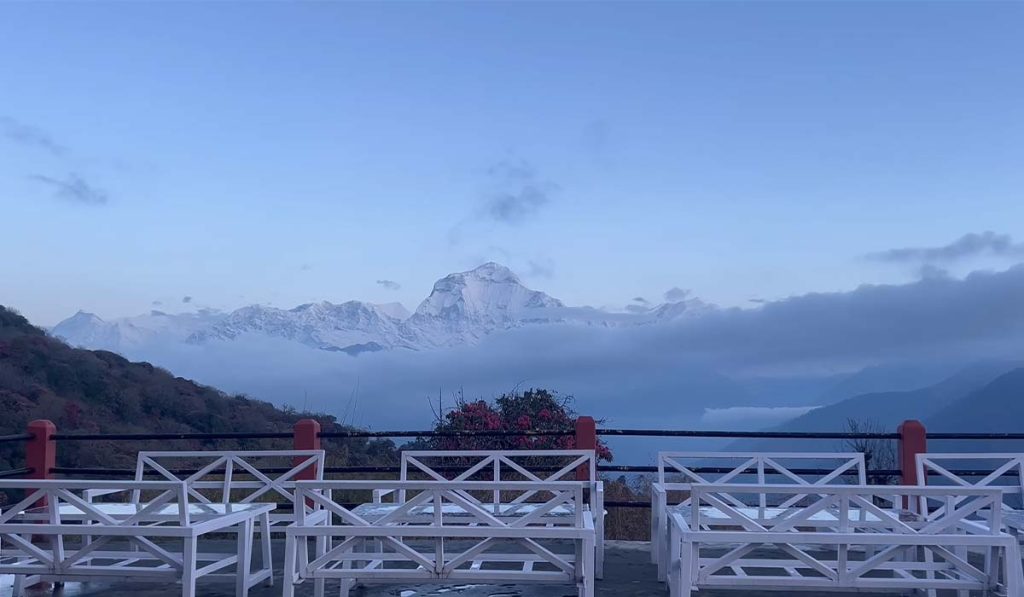
On the Ghorepani route, room prices are usually modest, but the lowest room rate does not tell the full story. Teahouses earn more from food than from beds, so accommodation may seem cheap while meals, hot drinks, charging, and showers add to the daily cost. Higher villages and busier stops like Ghorepani often feel more expensive overall.
Comfort also changes in ways that surprise first-time trekkers. A lower village may offer a better bathroom, but a higher village may give you the right pacing for the trek. A quieter lodge may mean better sleep, while a busy lodge may have a warmer dining hall and more reliable food service. The best choice depends on whether you care most about rest, scenery, convenience, or the next day’s walking time.
Best villages to stay in for different trekkers
If you want the classic route with easy logistics, Ulleri, Ghorepani, and Ghandruk work very well. Likewise, if you prefer shorter walking days, Tikhedhunga or Ulleri on the first night can help. If you want to avoid some of the crowd, Banthanti or Nangethanti may suit you better, though with fewer lodge options.
For photographers and trekkers focused on the Poon Hill sunrise, Ghorepani is the most practical overnight base. For those who care more about a comfortable final night, Ghandruk is usually stronger than Tadapani or Jhinu. If recovery matters most, Jhinu Danda stands out because of the hot springs.
Practical booking and room tips
In peak spring and autumn, booking ahead through a guide or trekking company is the easiest way to avoid poor room choices in Ghorepani and other busy villages. Independent trekkers can still usually find space, but arriving early in the afternoon helps. Late arrivals often end up with colder rooms, less convenient lodge locations, or shared facilities that are already under pressure.
Carry a light sleeping bag even if blankets are provided. Ask whether hot showers are gas or bucket style, and do not assume Wi-Fi will be strong enough for calls or heavy use. If you are sensitive to noise, request a room away from the dining hall and staircase.
On this trek, accommodation is not difficult to find, but the right village can make the route feel much easier. Plan your overnight stops with the same care you give to distance and altitude, and the Ghorepani Poon Hill trek becomes not only beautiful, but far more comfortable from one village to the next.