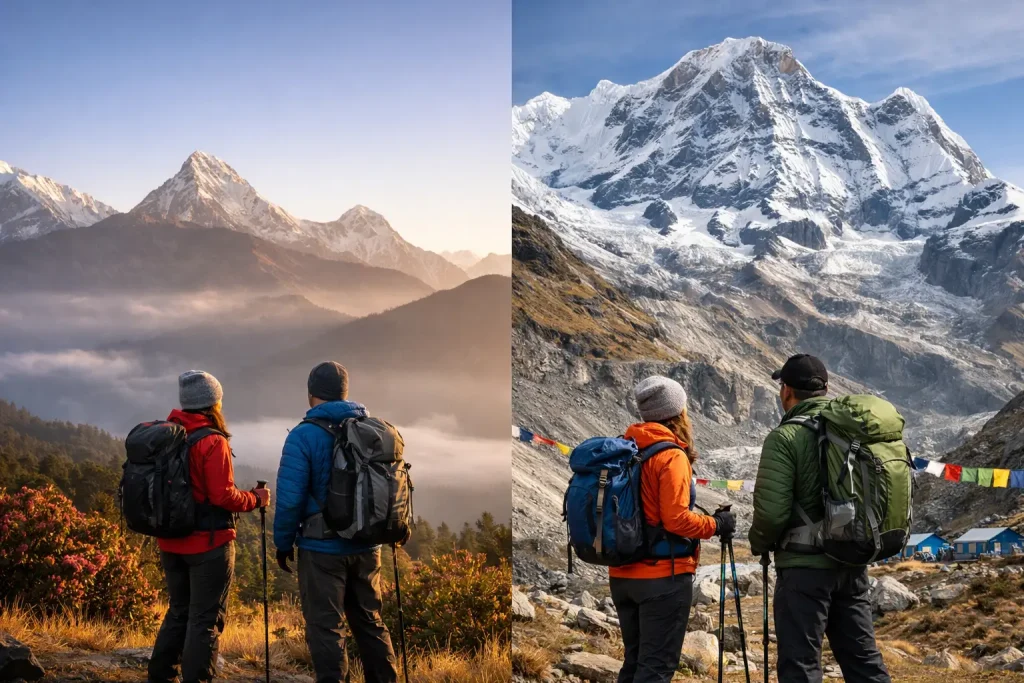
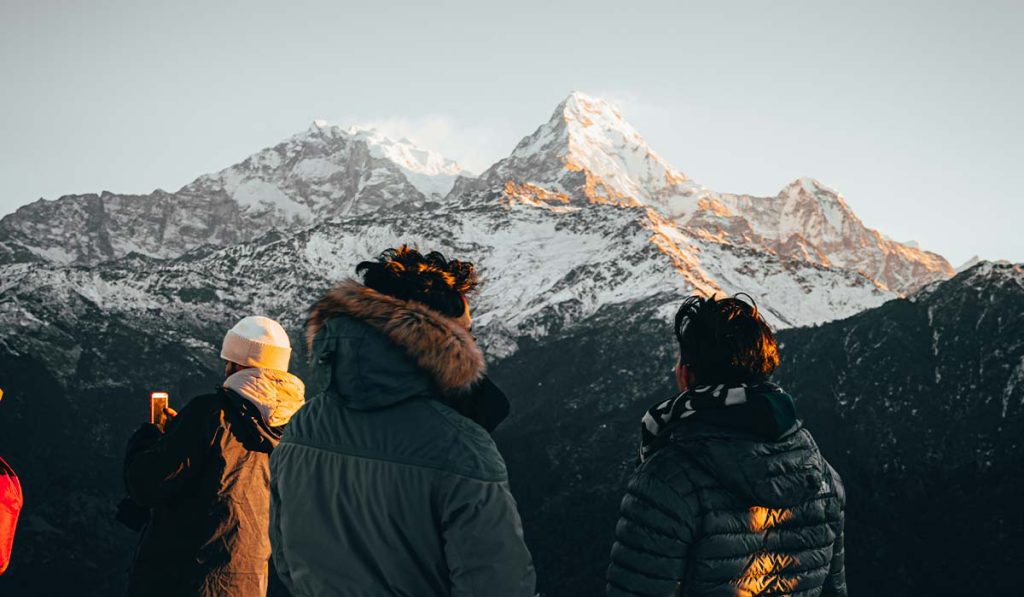
Packing too much for the Poon Hill Trek can make every uphill section feel harder than it should. Packing too little can leave you cold, wet, or uncomfortable by the time you reach Ghorepani and head up for sunrise. This Complete Packing List Poonhill guide is built for what trekkers actually need on the trail, not for an imaginary expedition. Poon Hill is one of Nepal’s shorter and more accessible treks, but weather, elevation, and changing trail conditions still demand thoughtful preparation.
The good news is that you do not need technical mountaineering gear for this route. Most trekkers can do well with a balanced packing plan that covers warmth, rain protection, daily walking comfort, and a few personal essentials. The key is understanding what the trek asks from you. Days are usually manageable, teahouse accommodation is available, and loads can stay light if you pack with purpose.
What the Poon Hill trek really requires
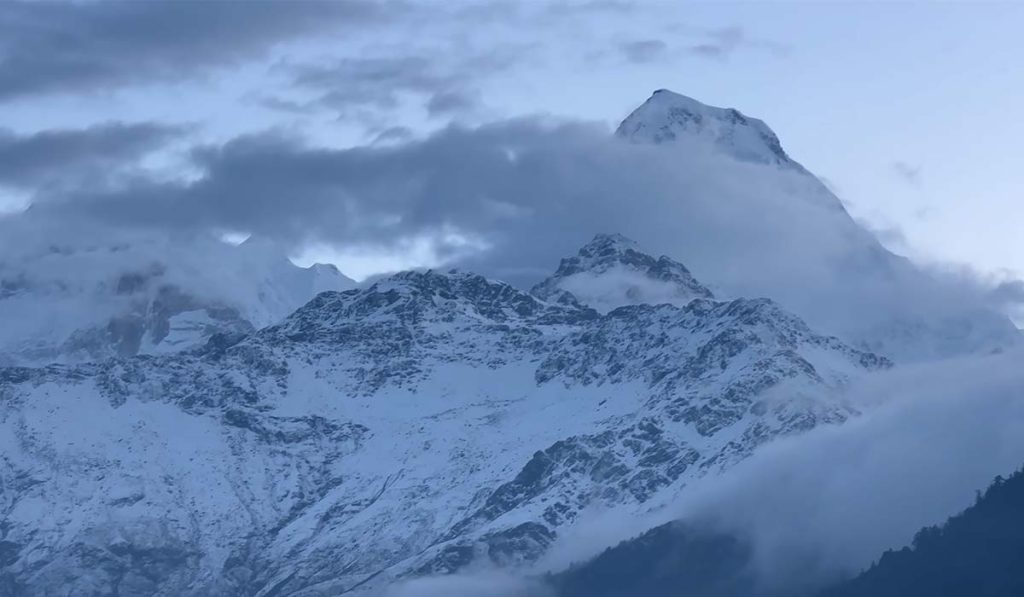
Poon Hill is often chosen by first-time trekkers in Nepal because the route is straightforward, scenic, and relatively short. That sometimes gives people the impression that almost any casual travel wardrobe will do. In reality, early mornings can be very cold, especially during the main trekking seasons. If you are heading to the viewpoint before sunrise, you will feel the temperature difference quickly.
Trail conditions also change by season. In spring, you may enjoy stable weather and rhododendron forests in bloom, but mornings still start cold. In autumn, skies are often clear, yet evenings can be chilly at higher villages. Winter can bring snow and icy steps. During monsoon, the main concern shifts to wet trails, muddy sections, damp clothing, and leeches in lower forested areas.
That is why a good packing list for Poon Hill should focus less on volume and more on versatility. Layering matters more than carrying heavy clothing. Dry feet matter more than bringing extra outfits. And a few smart small items can make a bigger difference than many bulky ones.
Complete Packing List Poonhill clothing basics
Your clothing system should work in layers. Start with a moisture-wicking base layer for walking. Add an insulating mid-layer like a fleece or light down jacket. Finish with an outer shell that protects against wind or rain. This combination gives you flexibility when temperatures shift throughout the day.
For trekking pants, one or two pairs are enough. Lightweight hiking pants are usually better than jeans, which dry slowly and feel heavy when wet. A thermal layer is useful in colder months, especially from late autumn through winter. For your upper body, bring two trekking shirts so you can rotate them, plus one warmer layer for mornings and evenings.
Your jacket choice depends on season, but one insulated jacket and one waterproof shell is the safest combination for most trekkers. Even if the forecast looks stable, mountain weather can change quickly. Gloves, a warm hat, and a neck buff are especially helpful for the pre-dawn walk to the Poon Hill viewpoint.
Socks deserve more attention than many trekkers give them. Bring at least three pairs of trekking socks and avoid using thin city socks on the trail. If your feet stay warm and dry, the whole trek feels easier.
A simple clothing checklist includes:
- 2 moisture-wicking trekking shirts
- 1 thermal base layer set in colder seasons
- 1 fleece or warm mid-layer
- 1 insulated jacket
- 1 waterproof or windproof shell jacket
- 1 to 2 pairs of trekking pants
- 3 pairs of trekking socks
- 1 warm hat
- 1 pair of gloves
- 1 neck buff or scarf
- Comfortable sleepwear or lodge clothes
Footwear can make or break the trek
You do not need heavy alpine boots for Poon Hill, but you do need reliable footwear with grip. The trail includes stone steps, dirt paths, forest sections, and occasional muddy or snowy stretches depending on the month. A pair of broken-in hiking boots or sturdy trail shoes usually works well.
If you already know your ankles need more support, choose mid-cut hiking boots. If you are trekking in dry conditions and prefer lighter footwear, trail shoes can be enough. What matters most is grip, comfort, and having footwear that you have already used before the trip. Poon Hill is not the place to discover your new boots cause blisters.
Sandals or camp shoes are also useful for evenings in the teahouse. They give your feet a break after walking all day and are convenient when using shared bathrooms.
Daypack essentials for daily walking
Even if you use a porter, keep your personal daily needs in a small daypack. A 20 to 30 liter backpack is enough for most trekkers on this route. It should carry water, an extra layer, snacks, personal documents, and anything you may need before reaching the next lodge.
Water is one of the most important items to manage properly. Carry enough capacity for at least 1.5 to 2 liters. A reusable bottle or hydration bladder both work. Add water purification tablets or a filter bottle if you plan to treat drinking water on the route.
Sun protection is often underestimated on short treks. Clear mountain mornings can expose you to strong UV even when temperatures feel cool. Sunglasses, sunscreen, and a hat should stay accessible in your daypack.
You should also carry a basic rain cover for your bag or line the inside with a dry bag. This small step protects extra clothing, electronics, and documents when the weather turns.
Health, hygiene, and personal items
Poon Hill does not usually involve extreme altitude by Himalayan standards, but personal comfort still depends on basic health preparation. A small first-aid kit is enough for most trekkers. Include blister care, pain relief, any personal medication, and a few supplies for stomach issues, since food and water changes can affect some travelers.
Toiletries should stay minimal. Teahouse trekking is easier when you carry only what you will actually use. A toothbrush, small toothpaste, soap, quick-dry towel, toilet paper, hand sanitizer, and wet wipes usually cover the basics. In colder months, lip balm and moisturizer become more important because the air can be dry.
If you are sensitive to dust, bring a mask or buff. Sections of the trail, roads near access points, or dry weather can make that useful.
Documents, money, and electronics
For the Poon Hill trek, keep your permits, passport copy, travel insurance details, and a few passport photos organized in a waterproof pouch. Depending on your travel arrangements, guide or agency support may handle some logistics, but you should still keep personal copies with you.
Cash is important. Once you are on the trail, card payment is not something to rely on. Carry enough Nepalese rupees for drinks, snacks, charging, hot showers, and any small extra expenses along the way.
Electronics should be kept simple. Your phone, charger, power bank, and camera are enough for most people. Cold weather drains batteries faster, especially during early morning viewpoint walks, so keep devices warm inside your jacket when needed. A headlamp is one of the most useful items on this trek, especially for sunrise at Poon Hill or if lodge power is limited.
Seasonal adjustments that matter
The same packing list does not work equally well in every month. In spring and autumn, the standard setup is usually enough – layers, waterproof outerwear, and solid footwear. These are the most comfortable seasons for many trekkers.
In winter, increase your insulation. A warmer down jacket, thicker gloves, thermal leggings, and better socks are worth carrying. Snow is not guaranteed, but cold mornings and icy sections are possible.
In monsoon, reduce cotton and increase quick-dry clothing. Prioritize a strong rain jacket, pack cover, extra socks, and footwear that handles wet conditions well. Leech socks can help in some lower, damp forest areas, though not everyone uses them.
What you can leave behind
Many trekkers overpack for Poon Hill because the trek feels like a major Himalayan adventure before they arrive, and that excitement turns into extra gear. In practice, you can leave out heavy books, multiple spare outfits, large toiletry kits, bulky travel gadgets, and technical gear meant for high-altitude expeditions.
You also do not need to carry too much food. Basic snacks are nice for energy between stops, but this is a teahouse trek with regular meal availability. Keep your bag light enough that climbing stone stair sections does not become harder because of your own packing choices.
A practical final check before you leave
A good rule for Poon Hill is this: pack for cold mornings, mild daytime walking, and possible rain. If every item in your bag answers one of those needs, you are probably on the right track. If an item has no clear purpose, remove it.
Trekkers who prepare well usually enjoy Poon Hill more because they spend less time dealing with discomfort and more time taking in the forests, villages, and the sunrise over Annapurna and Dhaulagiri. Smart packing will not make the uphill sections disappear, but it will make the whole trek feel more comfortable, more manageable, and much more rewarding.