The Mardi Himal trek is often presented as a short, quieter alternative to the Annapurna Base Camp and Poon Hill routes. That is broadly true, but this Mardi Himal trek review guide starts with the part many itineraries underplay: the route climbs quickly, the final approach is exposed, and the weather can change the experience dramatically. It is a rewarding trek for prepared hikers, not merely an easy add-on from Pokhara.
For travelers with limited time who still want close views of Machapuchare, Annapurna South, and Hiunchuli, Mardi Himal delivers a strong return for five to seven trekking days. Its smaller lodges, forest trails, and ridge walking give it a more remote feel than its distance from Pokhara suggests.
What the Mardi Himal Trek Is Really Like
Most standard itineraries begin with a drive from Pokhara to Kande, Dhampus, or Phedi, then climb through villages and rhododendron forest toward Forest Camp, Low Camp, High Camp, and the Mardi Himal viewpoint or base camp. The high point is generally around 14,700 feet (4,500 meters), although exact turnaround points vary with snow, weather, and group ability.
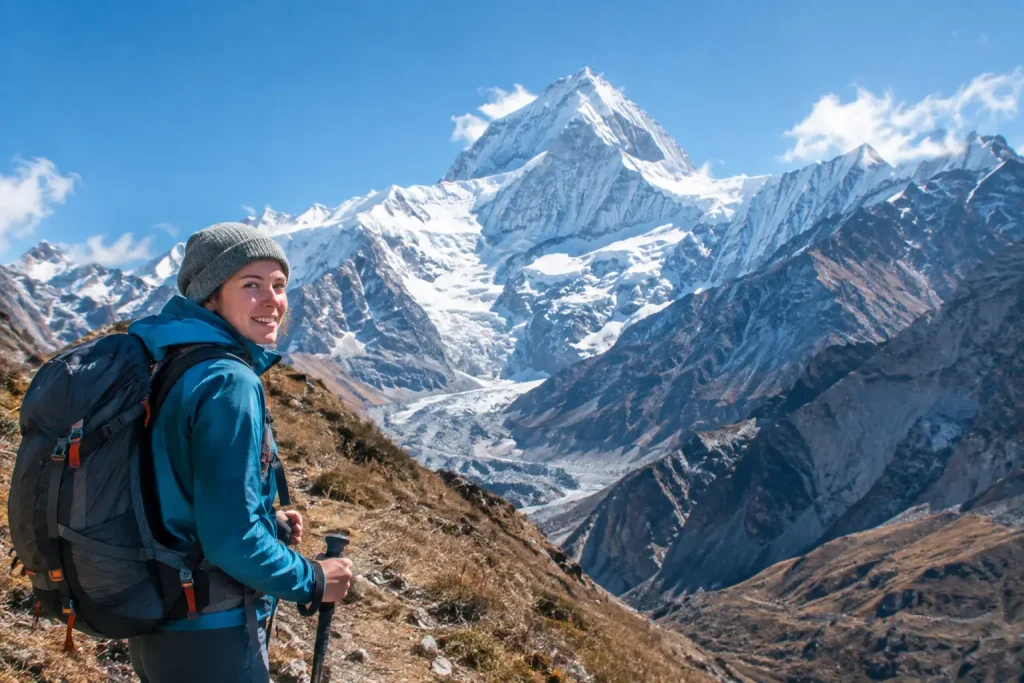
The character of the route changes quickly. Lower sections are humid, steep, and shaded. Above Low Camp, the forest thins and the trail follows a narrow ridge with increasingly open views. From High Camp, an early start leads over uneven ground toward the viewpoint, where the route can feel steep and exposed in wind, ice, or low visibility.
This is not a technical climb. You do not need ropes, crampons, or mountaineering experience in normal trekking-season conditions. Still, the final day is more serious than a casual day hike. A guide may decide to stop below the usual viewpoint if conditions are poor, and that is sound mountain judgment rather than a failed itinerary.
Mardi Himal Trek Difficulty Review
Mardi Himal is best described as moderate to challenging. The total distance is not extreme, but the route packs substantial uphill effort into a short schedule. Many days involve sustained ascents and descents on stone steps, muddy forest trail, or uneven ridge paths.
A reasonably fit first-time Himalayan trekker can complete it, provided they prepare well and choose an itinerary with sensible pacing. It is less suitable for someone whose only recent exercise has been flat walking or occasional sightseeing hikes. Trekking poles make a meaningful difference, particularly on descents to Siding or Lumre, where wet stone and loose soil can be tiring on the knees.
The altitude factor
Mardi Himal’s rapid ascent is its main challenge. You may sleep near 11,700 feet (3,580 meters) at High Camp only a few days after leaving Pokhara, then climb much higher before descending. Acute mountain sickness can occur at these elevations, even on a comparatively short trek.
Headache, nausea, poor appetite, unusual fatigue, dizziness, or disrupted sleep should be taken seriously. Do not try to push through worsening symptoms just to reach the viewpoint. The appropriate response is to stop ascending, communicate clearly with your guide or companions, and descend if symptoms do not improve. Fitness helps with effort, but it does not prevent altitude illness.
Who should choose a longer itinerary?
A five-day itinerary can work for fit hikers who arrive already rested and are comfortable with long uphill days. Six or seven days is a better choice for many travelers, especially first-time trekkers in Nepal, travelers coming from sea level, or anyone who wants more flexibility for weather.
An extra day does not guarantee perfect acclimatization, but it reduces pressure to race uphill. It also allows time to wait out a rainy afternoon or morning cloud cover rather than making decisions against a fixed departure schedule.
Views, Crowds, and Trail Experience
The major appeal of Mardi Himal is proximity. From the upper ridge, Machapuchare appears exceptionally close, while Annapurna South and Hiunchuli dominate the skyline. On a clear morning, the viewpoint delivers the kind of steep, high-mountain perspective many travelers expect from a longer expedition.
The trade-off is that views are not guaranteed. Afternoon clouds are common, particularly in spring and during the monsoon. A pre-dawn departure from High Camp offers the best chance of clear skies, but cold temperatures and wind are normal before sunrise.
Compared with Poon Hill, Mardi Himal typically has fewer trekkers and less developed trail infrastructure. Compared with Annapurna Base Camp, it is shorter and more ridge-focused, but lodges are simpler and route conditions can be rougher. If you want broad mountain scenery with easier logistics and more comfort, Poon Hill may be a better fit. If you want a more direct high-ridge experience without committing to a long trek, Mardi Himal is compelling.
Best Time to Trek Mardi Himal
October through November and March through April are the most reliable periods for trail conditions and mountain visibility. Autumn usually brings clearer skies after the monsoon, while spring offers blooming rhododendrons and mild daytime temperatures.
Spring can also bring haze at lower elevations, while autumn lodges may be busy around major holidays. Neither season is free from bad weather. Mountain forecasts are useful, but local observations from lodge owners and guides matter more when deciding whether to continue toward the viewpoint.
Winter trekking is possible for experienced, well-equipped hikers. Snow can make the upper trail difficult to follow and may require a change in route or turnaround point. During the summer monsoon, expect leeches, slippery trail surfaces, cloud cover, and possible road delays near trailheads. It can be quieter and greener, but it is not the best choice for travelers whose main goal is panoramic mountain photography.
Permits and Trek Logistics
Most Mardi Himal itineraries require Annapurna Conservation Area entry permission. Trekking documentation requirements and enforcement practices can change, so confirm the current rules shortly before departure rather than relying on an old blog post or a past traveler’s experience.
Pokhara is the practical staging point for permits, gear, transport, and a final night of rest before the trek. Road access to starting and ending points can be affected by construction, rainfall, and seasonal conditions. Build a buffer day into your Nepal itinerary if you have an international flight or fixed onward plans.
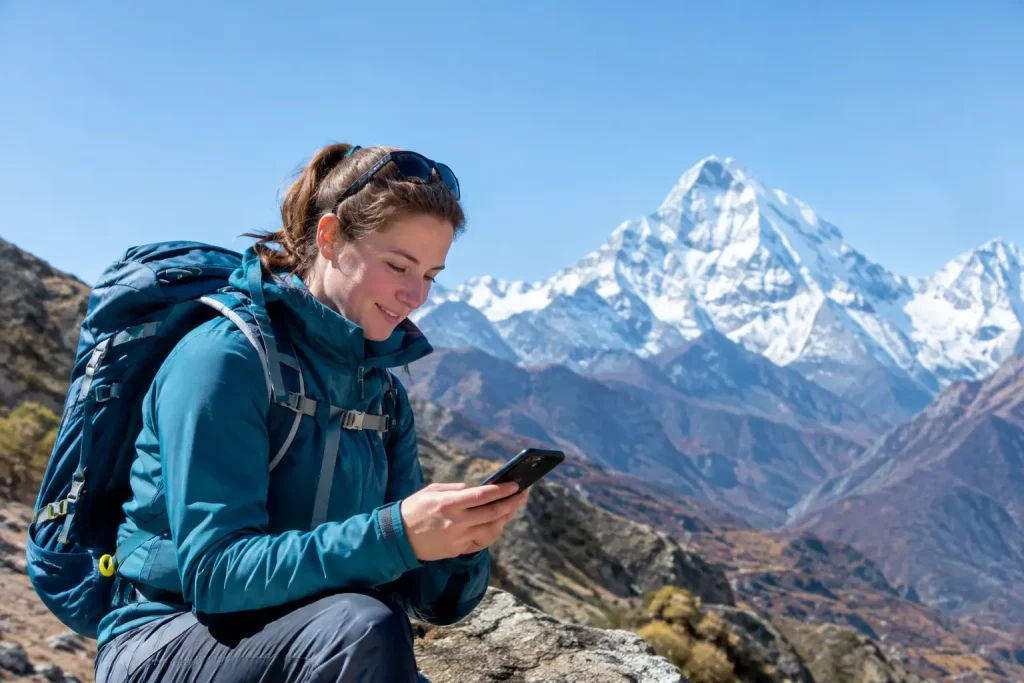
Accommodation is in tea houses, not camping. Expect basic private rooms when available, shared dining areas, common bathrooms, and limited charging at higher elevations. Hot showers and device charging often cost extra. Wi-Fi may be slow or unavailable, so carry enough cash and download essential documents and maps in advance.
What to Pack for the Route
Pack for temperature swings rather than just cold. A warm morning at High Camp can turn into a sweaty uphill climb by midday, followed by rain or wind on the ridge. Layers are more useful than one oversized jacket.
Your core kit should include broken-in hiking boots, trekking poles, a waterproof outer layer, insulated jacket, warm hat and gloves, sun protection, refillable water bottles, water treatment, headlamp, personal first-aid items, and a sleeping bag suited to cold lodge nights. Bring blister care and any prescription medication in your daypack, not in luggage left in Pokhara.
Travel insurance should cover trekking at the route’s maximum elevation and include emergency helicopter evacuation. Read the policy wording carefully. A policy that covers “hiking” may still exclude high-altitude trekking or evacuation expenses above a stated elevation.
Is a Guide Worth It?
A guide is particularly valuable on Mardi Himal because the upper route can be confusing in cloud, snow, or heavy rain. Beyond navigation, a good guide monitors pace, helps identify early altitude concerns, communicates with lodges, and adjusts plans when weather makes the normal itinerary unsafe.
Independent hikers with Himalayan experience may prefer the flexibility of going alone where regulations allow. For first-time Nepal trekkers, solo travelers, or anyone visiting during shoulder-season weather, guided support generally provides better risk management. Operators such as Radiant Treks can also arrange permits, transport, and a route paced to your available days.
Final Assessment: Is Mardi Himal Worth It?
Mardi Himal is worth choosing if you want a compact trek with real altitude, close Annapurna views, and a quieter trail than Nepal’s busiest classics. It is not the right option if your priority is luxury lodge comfort, a gentle gradient, or a guaranteed summit-style view regardless of weather.
Approach it as a short but legitimate Himalayan trek: train for uphill walking, keep your itinerary flexible, insure yourself properly, and let conditions guide the final day. That preparation leaves you free to enjoy the moment Machapuchare appears above the ridge, which is exactly why this route earns its reputation.