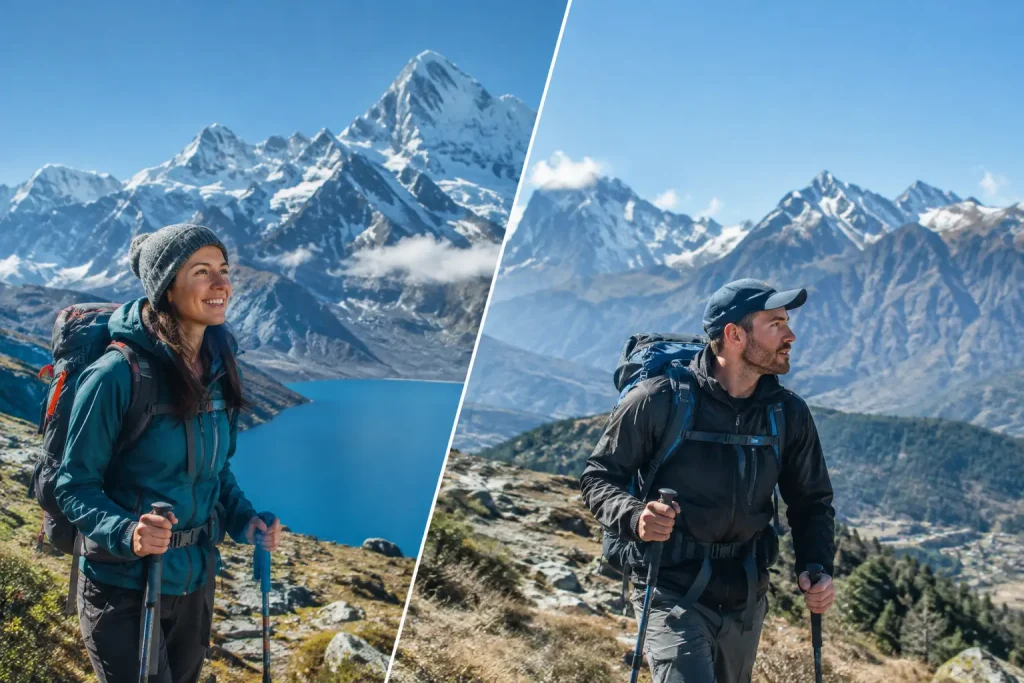
A headache at 15,000 feet is not automatically altitude sickness, but treating it casually can turn a manageable day into an emergency. This Himalayan trekking first aid guide is designed for Nepal trekkers who need a practical plan: what to carry, what symptoms require a change in plans, and when descent matters more than reaching the next viewpoint.
A first aid kit is only one part of mountain safety. Your itinerary, acclimatization schedule, guide communication, hydration, clothing, insurance, and willingness to turn around are more important than the number of supplies in your pack. On routes such as Gokyo Lakes, Langtang, Mardi Himal, Pikey Peak, and Poon Hill, access to professional medical care can be hours or days away.
Himalayan Trekking First Aid Guide: Start With Prevention
The best medical decision is often made before your trek begins. Choose an itinerary with sensible altitude gains and rest or acclimatization days, especially on higher routes. If you are flying directly from Kathmandu to Lukla or beginning another high-altitude trailhead, do not assume your general fitness protects you from altitude illness. It does not.
Train for sustained uphill walking with a loaded daypack, but also prepare for long descents. Knee pain, blisters, and slips commonly affect trekkers who have strong cardiovascular fitness but limited downhill conditioning. Break in boots well before departure, test the socks you will wear on trek, and learn how your backpack sits after several hours of movement.
Before traveling, discuss your trip with a clinician if you have heart, lung, neurological, kidney, or metabolic conditions, or if you take regular medications. Ask about medication storage, travel vaccinations, and personal prescriptions. Carry medicines in original labeled containers and keep a written list of drug allergies, conditions, emergency contacts, and current medications in your daypack.
Build a First Aid Kit You Can Actually Use
A good kit for a teahouse trek is compact, weather-protected, and tailored to the trekker. It should not become a collection of unfamiliar medications purchased at the last minute. If you do not know what a medication is for, when to use it, or when not to use it, get advice before leaving home.
For most trekkers, the following items cover common issues without adding excessive weight:
- Adhesive bandages, blister pads, medical tape, gauze, antiseptic wipes, and a small elastic wrap
- Personal prescription medications, an appropriate pain reliever, oral rehydration salts, and any clinician-recommended altitude medication
- Antihistamine medication for a known mild allergic reaction, plus personal asthma or allergy rescue medication where prescribed
- Tweezers, small scissors or nail clippers, disposable gloves, a digital thermometer, and a simple written medical information card
- Sunscreen, lip balm with SPF, insect repellent for lower elevations, and hand sanitizer
- A water treatment method you understand and use consistently
Pack core items in your daypack, not only in a duffel carried by a porter. A porter may be ahead, behind, or inaccessible when you need supplies. Keep medications dry in a sealed pouch and protect liquids from freezing at higher elevations.
If you are trekking with a guide or group, ask what medical equipment and training are included. Some guides carry pulse oximeters, oxygen, or emergency medication, but equipment alone does not guarantee a safe outcome. A pulse oximeter can provide context, yet low readings are common at altitude and do not outweigh symptoms and clinical judgment.
Recognize Altitude Illness Early
Altitude illness is the central first aid concern on many Nepal treks. Acute mountain sickness, or AMS, can begin with headache plus symptoms such as nausea, unusual fatigue, dizziness, poor appetite, or disrupted sleep. These symptoms often overlap with dehydration, exertion, viral illness, and lack of food, which is why honest monitoring matters.
A mild headache that improves with rest, fluids, food, and an appropriate pain reliever may not require an emergency response. However, a trekker with persistent or worsening symptoms should not continue ascending. Stop, rest, assess the situation, and tell your guide or trekking partner. Do not hide symptoms to avoid slowing the group.
Two severe forms of altitude illness demand immediate action. High-altitude cerebral edema, or HACE, can involve severe headache, confusion, poor coordination, unusual behavior, or difficulty walking heel-to-toe in a straight line. High-altitude pulmonary edema, or HAPE, can involve breathlessness at rest, a persistent cough, chest tightness, blue or gray lips, marked weakness, or wet breathing sounds.
For suspected HACE or HAPE, descend immediately with assistance and seek medical help. Do not wait overnight to see whether the person feels better, and do not allow them to walk alone. Supplemental oxygen, a portable altitude chamber, and specific medications may be used by trained personnel, but they are temporary measures. Descent is the priority.
What to Do When a Trekker Feels Unwell
Use a simple response sequence: stop, assess, communicate, and decide. Stop further ascent while you assess symptoms. Check whether the person is warm, hydrated, alert, and able to walk steadily. Communicate early with the guide, lodge owner, trekking leader, or emergency contact. Then decide whether rest, treatment at the current elevation, descent, or evacuation is appropriate.
Avoid the common mistake of treating every problem with more water. Overdrinking is not a cure for altitude illness and can create its own problems. Drink regularly based on thirst, activity, urine output, and conditions. Eat frequent, familiar foods when possible, especially during long climbing days, but do not force large meals if nausea is significant.
If diarrhea or vomiting develops, focus on safe fluids, oral rehydration solution, rest, and hygiene. Persistent vomiting, bloody stool, fever, severe abdominal pain, confusion, inability to keep fluids down, or signs of serious dehydration require medical assessment. In remote trekking areas, a problem that would be minor at home can worsen quickly when the nearest clinic is far below.
Treat Blisters, Strains, and Cold Injuries Early
Blisters are small until they change your gait. As soon as you feel a hot spot, stop and tape or pad it. Dry your feet during breaks, change wet socks, and address boot fit before the skin breaks. If a blister opens, clean it, protect it with a sterile dressing, and reduce friction. Continuing for days with poorly managed foot damage can lead to infection or make walking impossible.
For sprains and suspected fractures, protect the injured area, avoid loading it unnecessarily, and arrange evacuation or a safer descent plan. A trekker who cannot bear weight safely should not be pushed to continue on uneven trails simply because the next village appears close on the map.
Cold can also impair judgment. Shivering, numb hands, poor coordination, and exhaustion are signals to add insulation, eat, drink a warm beverage if available, and get out of wind or wet conditions. Change damp base layers promptly. Frostbite risk rises when extremities are exposed to wind and cold, particularly during pre-dawn starts on high passes or viewpoints.
Emergency Planning Before You Leave the Trailhead
Every trekker should know how to contact their guide, lodge staff, agency, and insurer. Buy travel insurance that explicitly covers trekking at your planned maximum elevation and includes emergency helicopter evacuation where appropriate. Policies vary widely: a plan that covers a lower-altitude trek may exclude the elevation of Gokyo Ri or other high Himalayan objectives.
Keep your insurance details, passport copy, and emergency numbers accessible offline. Share your route and expected dates with someone at home. If weather closes in or a trekker becomes ill, helicopter evacuation may be delayed or impossible, so conservative decisions early in the day are safer than waiting for a rescue option.
Independent trekkers need an especially conservative plan. A qualified local guide brings route knowledge, language support, daily symptom monitoring, and help coordinating a descent or medical response. On a higher or less familiar route, that operational support can be as valuable as the contents of your first aid kit.
When Turning Back Is the Right Call
Summit pressure is real, even on a non-technical trek. Trekkers may push onward because they have limited vacation time, a prepaid itinerary, or friends who feel fine. Those reasons do not change physiology.
If symptoms worsen at the same elevation, if balance or breathing changes, if an injury makes safe travel doubtful, or if weather removes your margin for error, turn around or descend. Nepal’s trails reward patience. The viewpoint will still be there; your ability to make a safe decision may not be if you wait too long.
Carry a kit, know your symptoms, and speak up early. The most experienced Himalayan trekkers are not those who never face problems. They are the ones who recognize changing conditions and choose the safer next step before a small issue becomes a rescue.