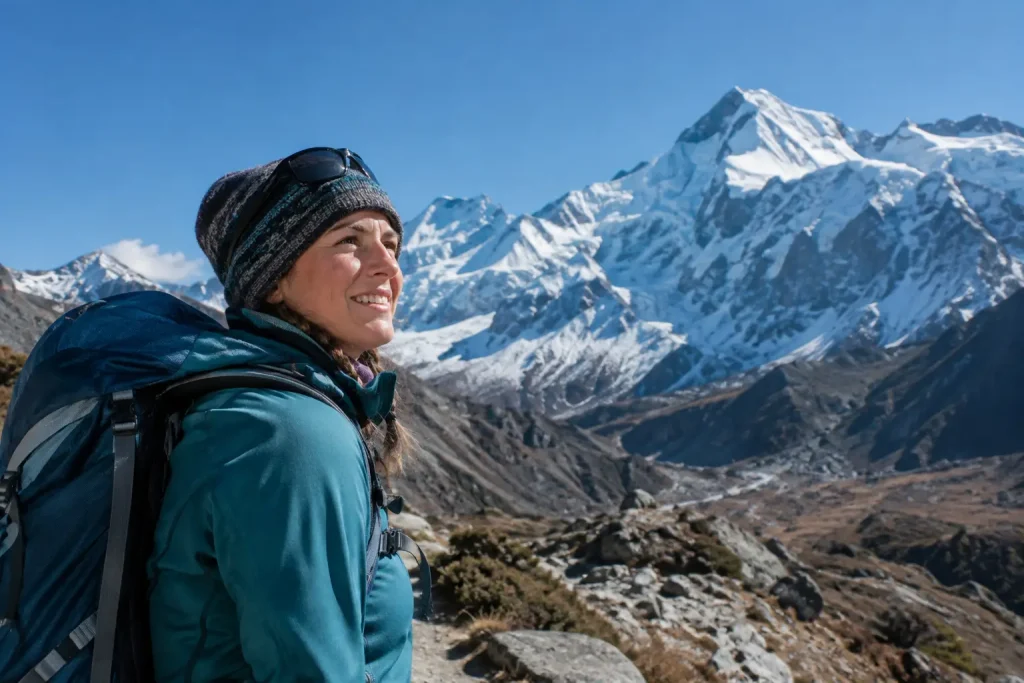
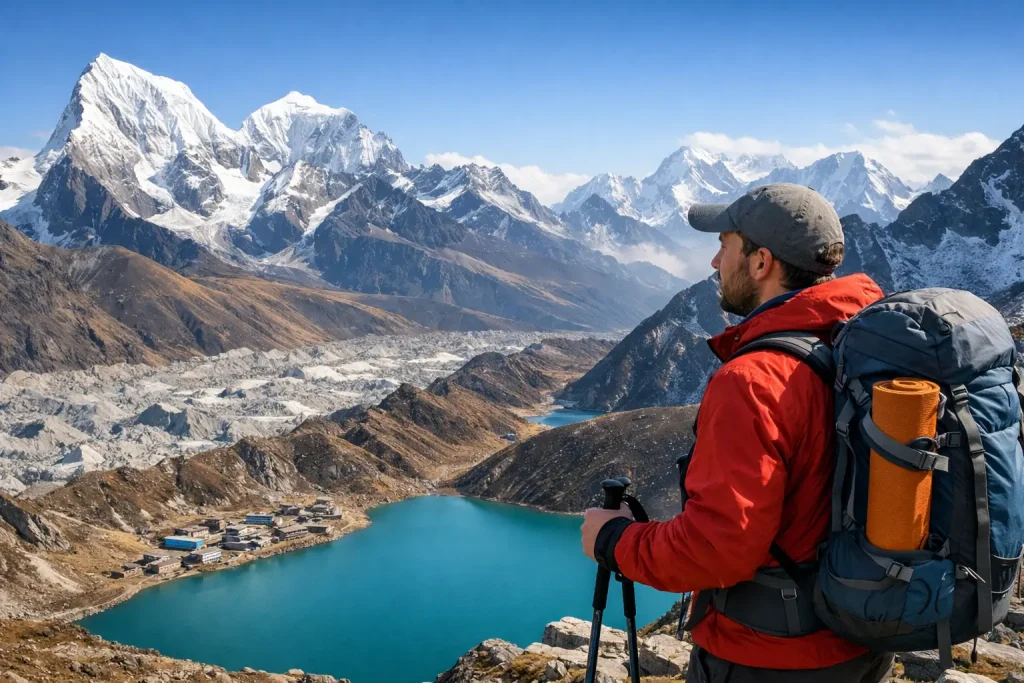
A trek to Everest Base Camp or around the Annapurna Circuit can place you days from the nearest hospital, eating in busy teahouses and drinking water handled outside your normal routine. That is why Nepal trekking vaccinations deserve attention well before you think about permits, flights, or packing. The right plan is personal, but most trekkers need a routine-vaccine review plus protection against food- and water-borne illness.
This is general trip-planning guidance, not individual medical advice. Schedule a travel-health appointment ideally four to eight weeks before departure. A clinician who understands your age, medical history, previous vaccinations, itinerary, and planned activities can make recommendations that fit your trip.
Nepal Trekking Vaccinations: The Practical Priority List
For most US travelers, the starting point is making sure routine vaccines are current. These are easy to overlook because they are not specific to Nepal, yet an international trip is a poor time to discover that a standard booster is overdue.
Routine vaccines come first
Ask your clinician to review measles, mumps, and rubella; tetanus, diphtheria, and pertussis; polio; chickenpox; influenza; and COVID-19 vaccination status. Measles deserves particular attention because outbreaks still occur internationally and the disease spreads readily in airports, cities, lodges, and group settings.
A tetanus booster is especially relevant for trekkers. Falls, cuts, and blisters are common on uneven trails, and a small wound can become much harder to manage when you are above 13,000 feet with limited supplies. Adults generally need a tetanus-containing booster at regular intervals, but your clinician should confirm what applies to you.
Hepatitis A is commonly recommended
Hepatitis A is generally recommended for unvaccinated travelers to Nepal. It spreads through contaminated food and water, which makes it relevant whether you are spending time in Kathmandu, trekking from Lukla, or following a lower-elevation route in the Annapurna region.
Good food choices reduce risk, but they do not eliminate it. Trekkers cannot control every kitchen, water source, or food handler encountered over a two-week itinerary. If you are leaving soon, ask about accelerated options or immune globulin where appropriate.
Typhoid is worth discussing for most trekkers
Typhoid vaccination is another common recommendation for travelers to Nepal, particularly those visiting smaller towns, eating frequently outside major hotels, trekking for extended periods, or traveling during monsoon and warmer months. The risk varies by itinerary, but teahouse trekking naturally involves repeated meals and water exposure over many days.
There are injectable and oral typhoid vaccine options. They differ in timing, duration of protection, age suitability, and interactions with certain medications. Neither replaces careful eating and drinking habits. Even vaccinated trekkers should treat or filter water, avoid ice of uncertain origin, and choose food that is thoroughly cooked and served hot.
Hepatitis B depends on your trip and personal circumstances
Hepatitis B is often recommended for unvaccinated travelers, especially on longer trips or for anyone who may need medical treatment abroad. It is transmitted through blood and certain body fluids, not ordinary food or water. The practical trekking concern is unplanned care after an injury, dental emergency, or illness requiring treatment.
Risk is not limited to high-risk behavior. A serious ankle injury or altitude-related evacuation can put a traveler into a medical system they did not expect to use. Vaccination is one layer of protection; comprehensive travel insurance with emergency evacuation coverage is another.
Vaccines That Depend on Route and Travel Style
Not every traveler needs every travel vaccine. Your trekking route, time of year, total time in Nepal, and plans before or after the trek matter more than the altitude printed on your itinerary.
Rabies: consider it for remote trekking and animal exposure
Pre-exposure rabies vaccination is worth a serious conversation for trekkers spending long periods in remote areas, cyclists, runners, photographers, volunteers, and anyone likely to interact with dogs or wildlife. Free-roaming dogs are common in Kathmandu and villages, while monkey encounters can occur around temples and tourist areas.
A pre-exposure vaccine does not mean you can ignore a bite or scratch. You still need urgent wound cleaning and prompt medical assessment after an exposure. Its major advantage is simplifying post-exposure treatment and reducing dependence on obtaining rabies immune globulin, which may be difficult to access quickly in remote Nepal.
For a standard Everest Base Camp, Langtang Valley, or Annapurna Base Camp trek, rabies vaccination is not automatically essential. It becomes more compelling when your itinerary includes extended rural travel, camping, motorcycle travel, or limited access to reliable medical care.
Japanese encephalitis is usually for longer rural exposure
Japanese encephalitis is mosquito-borne and is generally considered for travelers spending substantial time in rural agricultural areas, especially during or soon after monsoon season. A short, high-altitude teahouse trek is usually a different risk profile from a month in lowland villages or the Terai.
The key distinction is elevation and duration. Mosquito exposure is limited at the cold, high elevations of Everest, Manaslu, and Annapurna trekking routes. It can be more relevant during time in Kathmandu Valley, Chitwan, Pokhara, or lower trailheads, particularly if you are traveling in warmer, wetter months.
Cholera is rarely a standard trekking vaccine
Cholera vaccination may be considered for specific high-risk travel circumstances, but it is not a routine requirement for the typical Nepal trek. Clean water practices remain more useful for most visitors. Bring a reliable water-treatment method and use it consistently from the first day of the trip, not only after stomach symptoms begin.
What Vaccinations Do Not Protect You From
Vaccines are one part of expedition preparation, not a substitute for sound decisions in the mountains. They do not prevent altitude sickness, acute mountain sickness, high altitude pulmonary edema, high altitude cerebral edema, dehydration, sunburn, frostbite, trail injuries, or most cases of traveler’s diarrhea.
For high-altitude routes, acclimatization is the central safety issue. A healthy, fully vaccinated trekker can still become seriously ill by ascending too quickly. Build rest days into itineraries for Everest Base Camp, Gokyo Lakes, the Manaslu Circuit, and the Everest Three Passes Trek. Know the symptoms of altitude illness, and be prepared to descend if symptoms worsen.
Food and water discipline also remains essential. Use treated water for drinking and brushing teeth. Eat meals that are cooked thoroughly and served hot. Wash or sanitize hands before eating, especially after using shared bathrooms and before handling snacks. Carry oral rehydration salts and a basic first-aid kit, but discuss prescription medications with a clinician rather than self-prescribing antibiotics.
When to Schedule a Travel-Health Appointment
Four to eight weeks before departure gives enough time for multi-dose vaccines, immunity to develop, and any follow-up discussion about medications. If your departure is closer, still make the appointment. A clinician may be able to prioritize vaccines that offer useful protection quickly.
Bring a detailed itinerary. Mention your arrival and departure dates, trek name, maximum elevation, time in Kathmandu or Pokhara, any lowland travel, camping plans, planned animal contact, and countries visited before Nepal. A traveler doing the Mardi Himal Trek after three nights in Kathmandu needs a different discussion from someone spending six weeks across Nepal, India, and Bhutan.
Also review prescriptions, allergies, pregnancy considerations, immune conditions, and prior reactions to vaccines. If you are traveling with children, older adults, or someone with a chronic condition, do not assume the standard advice for a healthy adult applies unchanged.
A Short Pre-Departure Health Checklist
Before you fly, confirm that routine vaccines are current, ask specifically about hepatitis A, typhoid, hepatitis B, rabies, and Japanese encephalitis, and keep a record of what you receive. Pack medications in original labeled containers in your carry-on, along with a copy of relevant prescriptions and travel insurance details.
Do not wait until you reach Kathmandu to solve preventable health questions. Once the trek begins, your attention should be on pacing, hydration, weather, and how your body is responding to altitude. Arriving with a vaccination plan already settled gives you more room to focus on the mountain decisions that matter each day.