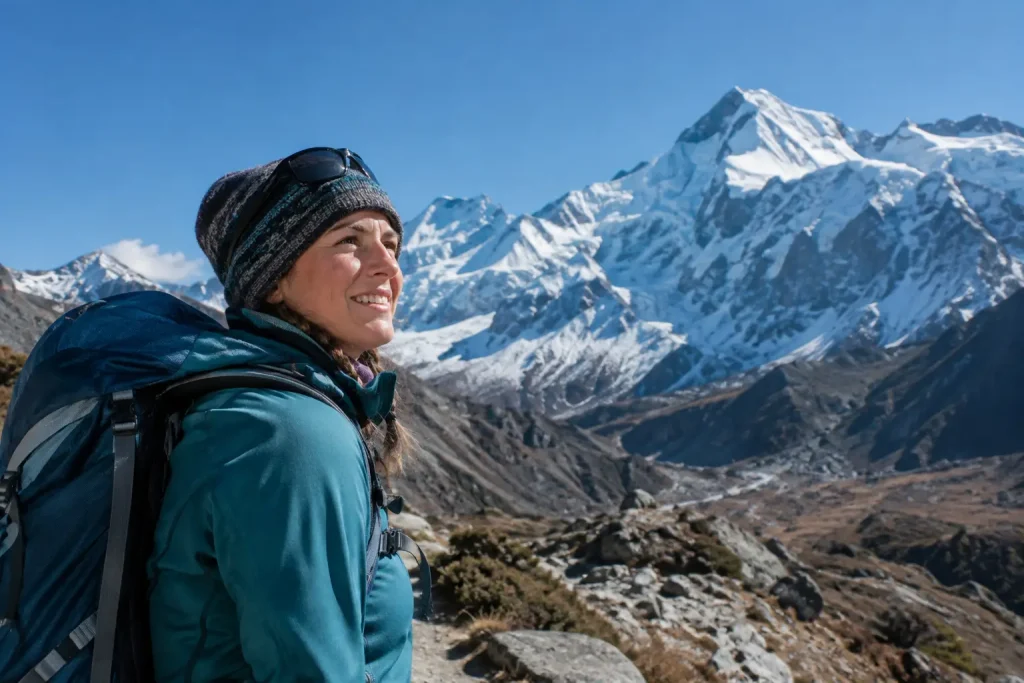
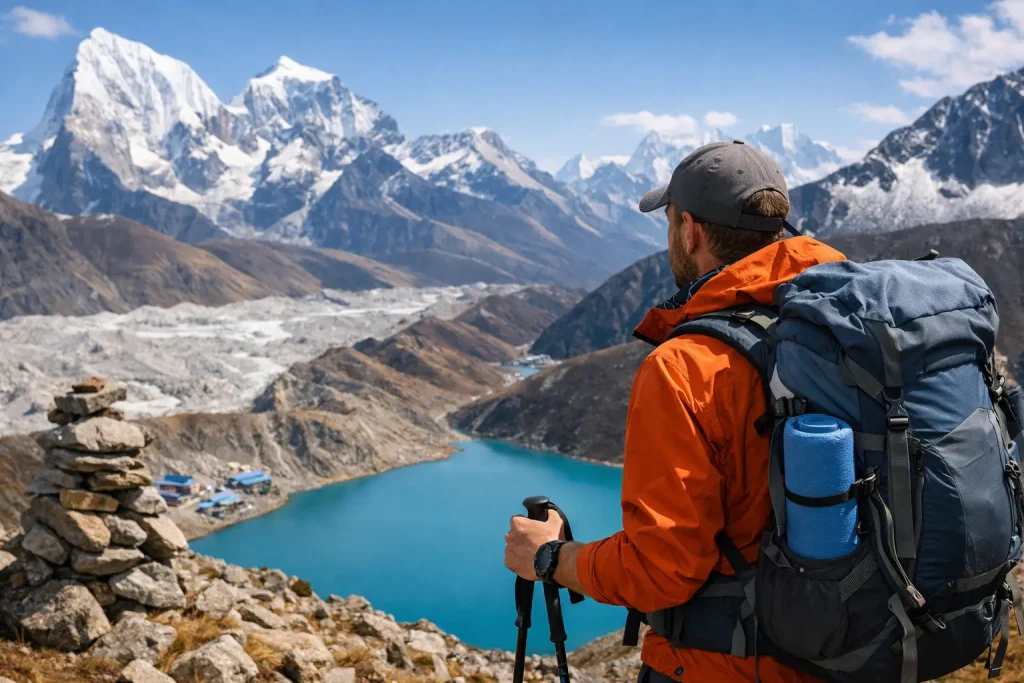
The climb from Namche Bazaar toward Tengboche, or from Manang toward Thorong La, exposes the difference between being fit and being acclimatized. Strong legs and a solid hiking base make each day more manageable, but they do not prevent altitude illness. For trekkers preparing for Nepal, altitude training is best understood as one part of a larger plan: build endurance, practice sustained climbing, and arrive with enough time to acclimatize properly on the route.
What Altitude Training Can and Cannot Do
At elevation, the air still contains about the same percentage of oxygen, but lower air pressure means each breath delivers less oxygen to the body. As a result, most trekkers notice reduced pace, heavier breathing, poorer sleep, and slower recovery as they climb higher.
Altitude training may improve how prepared you feel for those demands. Depending on the method, it can strengthen your aerobic system, familiarize you with hard efforts when breathing feels limited, and improve confidence before a high Himalayan trek. It is particularly useful for travelers who live near sea level and have little access to long mountain hikes.
It cannot reliably acclimatize you for a trek weeks or months later. The body begins adapting to altitude through changes such as increased breathing rate and fluid balance, but these adaptations fade after returning to low elevation. More importantly, no home-based program can guarantee protection from acute mountain sickness, high-altitude cerebral edema, or high-altitude pulmonary edema.
For an Everest Base Camp Trek, Annapurna Circuit Trek, Manaslu Circuit Trek, or any route sleeping above 10,000 feet, the itinerary remains the primary safety tool. Gradual ascent, planned acclimatization days, sensible daily pacing, hydration, nutrition, and an immediate descent when serious symptoms appear matter more than any pre-trip altitude session.
The Most Useful Training for Himalayan Trekkers
For most people, the practical version of altitude training is not a tent or a mask. It is training that reflects the work of trekking: walking for hours, climbing steadily, descending with control, and repeating that effort on consecutive days.
Build an aerobic base first
Aim for three to five aerobic sessions each week during the main training period. Brisk hiking, incline treadmill walking, stair climbing, cycling, rowing, and running can all help. The best choice is the one you can do consistently without injury.
Most sessions should feel controlled rather than maximal. You should be able to speak in short sentences. This steady work develops the endurance needed for long trekking days, when moving efficiently at a conservative pace is more valuable than short bursts of speed.
As your trip approaches, gradually extend one weekly hike or walk. A realistic target for many trekkers is four to six hours on their feet, ideally over hilly terrain. If local trails are flat, use an inclined treadmill, stadium stairs, or a stair machine to create sustained climbing.
Train for uphill and downhill work
Himalayan trails are rarely level. The climb to Namche, the stone staircases around Ulleri, and the long descents from high passes all place real demands on the legs. Include one or two hill-focused sessions weekly, using hiking poles if you plan to carry them in Nepal.
Downhill conditioning deserves equal attention. Descents load the quadriceps and can make the final days of a trek unexpectedly difficult, especially when knees are already fatigued. Controlled downhill hiking is ideal. If that is unavailable, step-down exercises, split squats, lunges, and slow eccentric leg work can help build tolerance.
Strengthen the areas that carry the load
Two brief strength sessions per week are enough for many trekkers. Prioritize squats or sit-to-stands, step-ups, lunges, calf raises, hip hinges, rows, presses, and core stability work. The goal is not bodybuilding. It is maintaining good posture under a daypack, protecting joints, and preserving leg strength after several demanding days.
Practice with a pack only after your basic fitness is established. Start light, then gradually add weight comparable to what you expect to carry. Independent trekkers may carry more than guided trekkers, but even a light daypack feels different after hours on steep terrain.
Do Altitude Masks, Tents, and Chambers Help?
Commercial altitude devices vary widely in what they simulate and what they can realistically accomplish. An elevation-training mask usually restricts airflow. It may make breathing feel harder, but it does not reproduce the lower oxygen pressure found at high altitude. It can be used as a breathing-resistance tool, but it should not be treated as acclimatization training.
Hypoxic tents and chambers reduce the oxygen concentration in the air you breathe. Used consistently under knowledgeable supervision, they may create some short-term adaptation. They are expensive, require a significant time commitment, and are not necessary for the vast majority of Nepal trekkers. Benefits also depend on the exposure schedule, your health, and how close the training occurs to departure.
A few days at a mountain resort or ski town can provide useful experience and may offer modest short-term adaptation. However, a short visit is not a substitute for an itinerary that includes acclimatization days. If you have prior altitude illness, heart or lung disease, sleep apnea, anemia, or take regular medication, discuss high-altitude travel and any hypoxic training plan with a qualified clinician before experimenting.
A Practical 12-Week Approach
Twelve weeks gives most healthy trekkers enough time to make meaningful gains without rushing. If you are starting from a low activity level, allow longer and increase gradually.
During weeks one through four, establish consistency. Combine easy aerobic work with basic strength training and one longer weekend walk. In weeks five through eight, increase elevation gain, add a hill or stair session, and make the long hike more specific to your intended route. This is a good time to test boots, socks, poles, and your daypack.
In weeks nine through ten, complete your biggest training hikes. Back-to-back hiking days are valuable because they reveal how your feet, knees, and energy hold up with accumulated fatigue. Do not make every session hard. Recovery is where fitness improves.
For the final one to two weeks, reduce volume while keeping light movement and a little climbing. Arriving in Kathmandu tired, sore, or injured is a poor trade for one extra punishing workout. Sleep well, organize gear, and make sure your travel plan allows a buffer before the trek begins.
Match Preparation to Your Trek
The right training load depends on the route, season, pack weight, and your planned itinerary. The Ghorepani Poon Hill Trek or lower Langtang Valley sections generally require less sustained preparation than the Everest Three Passes Trek, the upper Annapurna Circuit, or Kanchenjunga Base Camp. A shorter trek can still be strenuous if it involves steep stone steps, cold weather, or an aggressive schedule.
Also consider the highest sleeping elevation, not only the trail high point. Thorong La reaches roughly 17,769 feet, but the nights spent at high villages leading up to the pass are what make sensible acclimatization so important. On Everest routes, the gradual progression above Namche is similarly more significant than a single hard hiking day.
Choose an itinerary with rest or acclimatization days rather than trying to compensate with a fast pace. A well-designed route gives you room to respond if mild symptoms develop, weather delays a crossing, or your body simply needs more time.
Recognize the Limits of Fitness at Altitude
Fit hikers sometimes make a dangerous assumption: because they can hike fast, they should hike fast. At altitude, competitive pacing can worsen fatigue and leave less margin for recovery. Walk at a pace that lets you breathe steadily, drink regularly, and notice how you feel.
Headache, unusual fatigue, nausea, dizziness, poor appetite, and sleep disruption can signal acute mountain sickness. Do not ignore symptoms because they seem minor or because other people in the group feel fine. If symptoms worsen at the same altitude, do not ascend. Severe headache, confusion, loss of coordination, breathlessness at rest, or a persistent wet cough require urgent descent and medical attention.
Diamox can be useful in certain circumstances, but it is not a permit to climb faster. Discuss whether it is appropriate for you with a travel-health clinician before departure, and follow the advice of an experienced guide on the trail.
The most effective preparation is pleasantly unglamorous: arrive with hiking fitness, use a conservative itinerary, and give your body time to adjust. If you can reach the trailhead strong, organized, and willing to slow down, you have given yourself the best chance to enjoy the Himalaya safely.