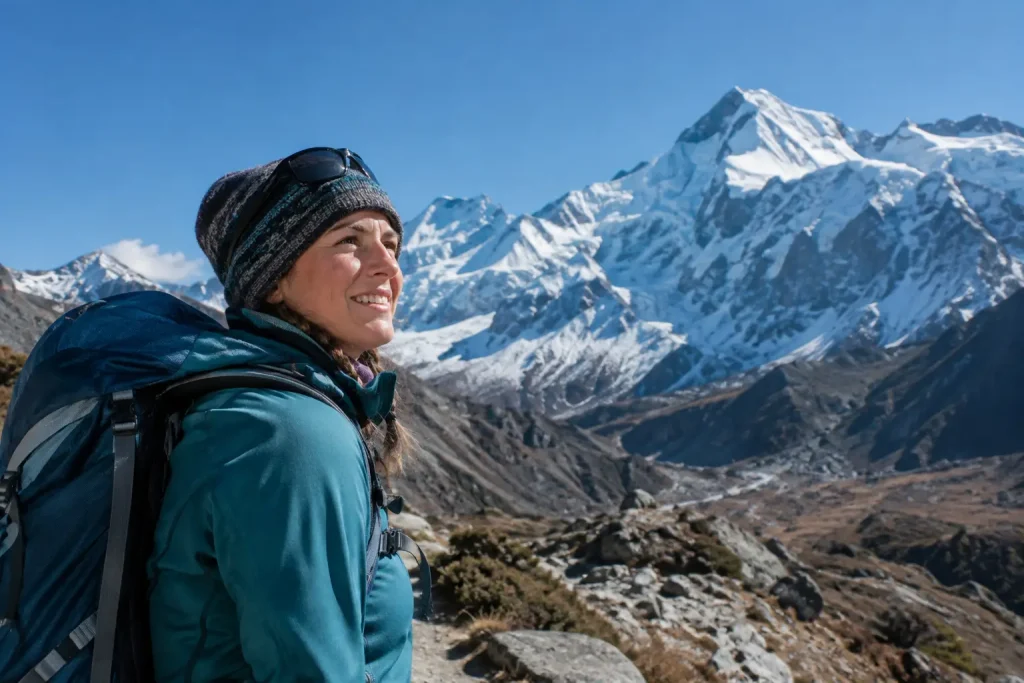
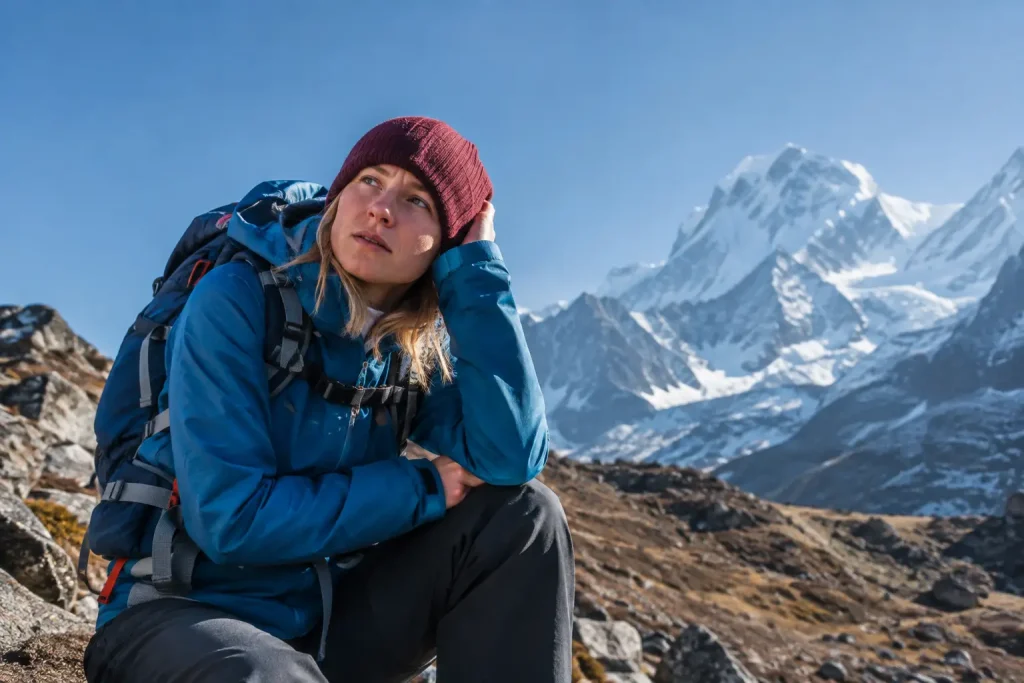
At Jagat, the first major checkpoint on the Manaslu Circuit, your paperwork matters as much as your packing list. Manaslu permits are not a single ticket, and the trek cannot be arranged as an independent hike. Because the route enters a restricted border region near Tibet, Nepal requires a licensed trekking agency, a licensed guide, and a minimum group size before it will issue the central permit.
For most international trekkers, the permit process is straightforward when it is handled early and matched to the correct itinerary. The mistakes usually happen when travelers budget for only one fee, assume they can trek alone, or make a late route change that leaves their permits out of date.
Which Manaslu permits do you need?
A standard Manaslu Circuit Trek normally requires three separate permits: the Manaslu Restricted Area Permit, the Manaslu Conservation Area Permit, and the Annapurna Conservation Area Permit. Your agency obtains them in Kathmandu before the trek begins.
Manaslu Restricted Area Permit
The Restricted Area Permit, often shortened to RAP, is the key document. It covers the restricted section from Jagat through the upper valley toward Samagaun and Samdo. It is issued for a specific entry date and a specific number of days, so it must reflect your actual walking itinerary.
The RAP is more expensive in the peak fall season. From September through November, it costs US$100 per person for the first seven days, then US$15 per person for each additional day. From December through August, the cost is US$75 per person for the first seven days, followed by US$10 per additional day.
These rates apply to foreign nationals and are generally paid in US dollars or the Nepalese rupee equivalent through the agency. Do not treat the seven-day allowance as seven trekking days anywhere in the Manaslu region. It applies to the days specified within the restricted area, based on the permit itinerary.
Manaslu Conservation Area Permit
The Manaslu Conservation Area Permit, or MCAP, supports conservation and management in the lower and central Manaslu region. For most foreign trekkers, the fee is NPR 3,000 per person. Citizens of SAARC countries usually pay a reduced rate of NPR 1,000.
Unlike the restricted-area permit, MCAP is generally a single-entry permit rather than a day-based charge. Still, carry it every day. Checkpoints can ask to see it, and your guide will normally keep the original documents organized.
Annapurna Conservation Area Permit
Most Manaslu Circuit itineraries cross Larkya La Pass and finish in the Annapurna region, commonly at Dharapani or Besisahar. That is why an Annapurna Conservation Area Permit, or ACAP, is also required. The standard foreign-national rate is NPR 3,000 per person, while SAARC nationals generally pay NPR 1,000.
If your itinerary ends before entering the Annapurna Conservation Area, the ACAP may not apply. That is unusual for the full circuit, but it can matter for an out-and-back Manaslu itinerary or a route altered by weather, road conditions, or a medical evacuation.
Manaslu permit costs at a glance
| Permit | Typical cost for foreign trekkers | When it applies | | — | — | — | | Manaslu Restricted Area Permit | US$100 for first 7 days in Sep-Nov, then US$15 per day; US$75 in Dec-Aug, then US$10 per day | Required in the restricted section | | MCAP | NPR 3,000 | Required in Manaslu Conservation Area | | ACAP | NPR 3,000 | Required when exiting through Annapurna |
Permit policies and exchange rates can change. Confirm the current rates when booking, especially if your trek is scheduled around a new trekking season or your itinerary includes Tsum Valley.
Can you trek Manaslu independently?
No. Independent trekking is not permitted in the Manaslu restricted area. Nepal requires at least two foreign trekkers in the permit application, plus a licensed Nepali guide. A registered local trekking agency must submit the application and issue the restricted-area permit.
This does not mean every Manaslu trip must be a large commercial group. Two travelers can book together, and solo travelers can often join another confirmed trekker through an agency. The requirement is based on the permit application, not on whether you want a crowded trekking experience.
A guide is also a practical safety measure on this route. The Manaslu Circuit involves remote villages, limited medical facilities, long days above 11,500 feet, and a high crossing at Larkya La, around 16,750 feet. A guide helps with checkpoints, lodges, changing trail conditions, and altitude decisions that are harder to make when you are tired or unwell.
Documents needed for a Manaslu permit
Your agency will usually request a clear passport scan, a copy of your Nepal visa after arrival, digital passport photos, and your planned entry date into the restricted area. It will also need the passport details of the second trekker on the application.
Provide documents as early as possible. Blurry scans, a passport nearing expiration, or last-minute changes to your entry date can delay processing. Your passport should normally remain valid for at least six months beyond your travel dates.
The agency will arrange the official permits, but you should carry paper copies of your passport and travel insurance policy during the trek. If you need helicopter evacuation, clear insurance details and an emergency contact can save valuable time.
How many permit days should you buy?
This depends on your pace, acclimatization plan, and whether you add side trips. A standard Manaslu Circuit itinerary often spends seven to 10 days in the restricted area. The lower end may work for a well-paced itinerary that starts at Machha Khola or Jagat and moves steadily toward Dharamsala. The longer option gives more room for acclimatization and weather delays.
Samagaun is the most common acclimatization stop. Many trekkers spend an extra night there and take a day hike toward Manaslu Base Camp, Birendra Lake, or Pungyen Gompa. That additional day is not wasted time. It can substantially improve your chances of crossing Larkya La safely.
Buying too few restricted-area days creates an avoidable problem. Extending or changing a permit while already in a remote valley is far more difficult than arranging adequate time in Kathmandu. On the other hand, buying extra days adds cost, so the right plan is a realistic itinerary with one sensible buffer day rather than several speculative days.
Tsum Valley permits are separate
Adding Tsum Valley changes both the route and the permit budget. Tsum Valley is also a restricted area and needs its own Restricted Area Permit in addition to the standard Manaslu documents.
The Tsum Valley restricted permit generally costs US$40 per person for the first seven days from September through November, then US$7 per additional day. From December through August, it is usually US$30 for the first seven days and US$7 for each extra day. The same minimum-two-trekker and licensed-guide rules apply.
Tsum Valley is worth considering if you have roughly 18 to 22 days available for trekking and acclimatization. It offers a quieter cultural route with monasteries and Tibetan-influenced villages, but it should not be squeezed into a fast Manaslu Circuit schedule. More days mean more permit charges, lodge expenses, and a greater need to manage fatigue.
When should you arrange permits?
Most trekkers should finalize their agency and itinerary at least a few weeks before arriving in Nepal. The actual permit issuance is often completed shortly before departure because it depends on your Nepal visa and confirmed entry date. Your agency can explain exactly when it needs each document.
Fall and spring departures deserve extra lead time. September through November offers stable conditions and busy trails, while March through May brings warmer temperatures and excellent high-altitude views, though afternoon clouds are common. In either season, transport disruptions and full lodges can affect the schedule, which is another reason not to build an overly tight permit plan.
Permit planning mistakes to avoid
The most costly error is treating Manaslu like a regular independent tea-house trek. You cannot arrive in Soti Khola, hire a guide casually, and expect restricted permits to be arranged at the checkpoint. The agency, guide, group requirement, and documentation must be in place before entering the controlled section.
Another mistake is focusing only on permits while overlooking trek readiness. Permits grant access, not acclimatization. Build a route with rest days, obtain insurance that covers trekking at the elevation of Larkya La, and keep contingency money for weather, road delays, or itinerary changes.
Finally, ask whether the quoted trip price includes all three standard permits, guide costs, transport, and taxes. A low initial price can look attractive until the mandatory restricted-area and conservation fees are added separately.
A well-organized permit plan gives you space to focus on the decisions that matter in the mountains: walking at a sustainable pace, recognizing altitude symptoms early, and giving Larkya La the weather window it deserves. Arrange the paperwork carefully, then let your itinerary protect the experience you traveled to Nepal for.