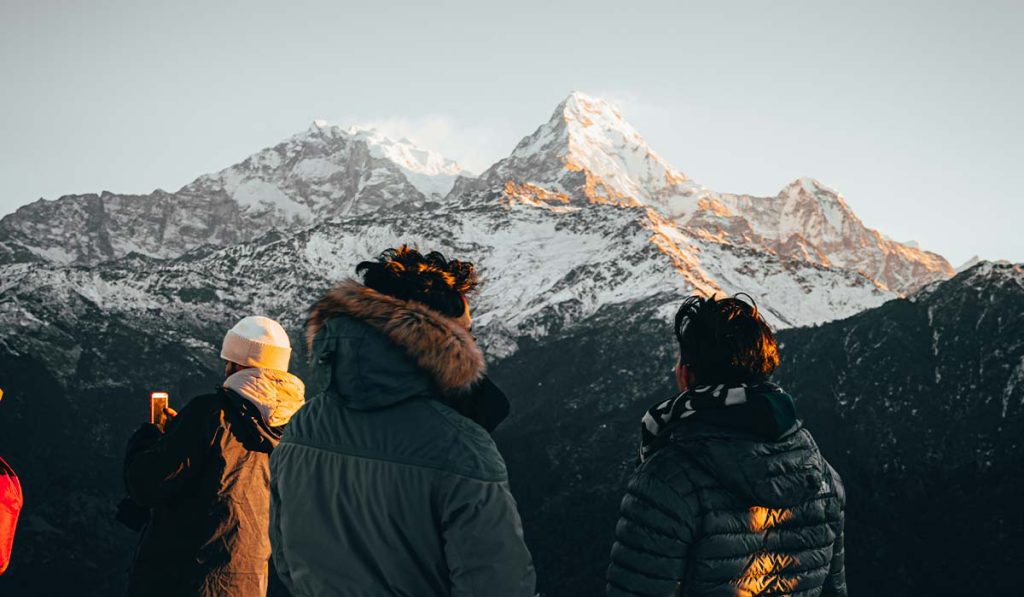
Many trekkers assume the Poon Hill trek is too low to cause altitude problems. That is not always true. Altitude Sickness Poon Hill concerns are less common than on Everest Base Camp or Annapurna Circuit, but they are still real, especially for first-time trekkers, people coming straight from low elevation, or anyone climbing too quickly without enough rest.
Poon Hill reaches about 3,210 meters or 10,531 feet. That is not extreme Himalayan altitude, but it is high enough for some trekkers to feel headache, poor sleep, loss of appetite, unusual fatigue, or shortness of breath. In most cases, symptoms are mild and manageable. Still, ignoring them can turn a comfortable short trek into a difficult and unsafe experience.
Can You Get Altitude Sickness on Poon Hill?
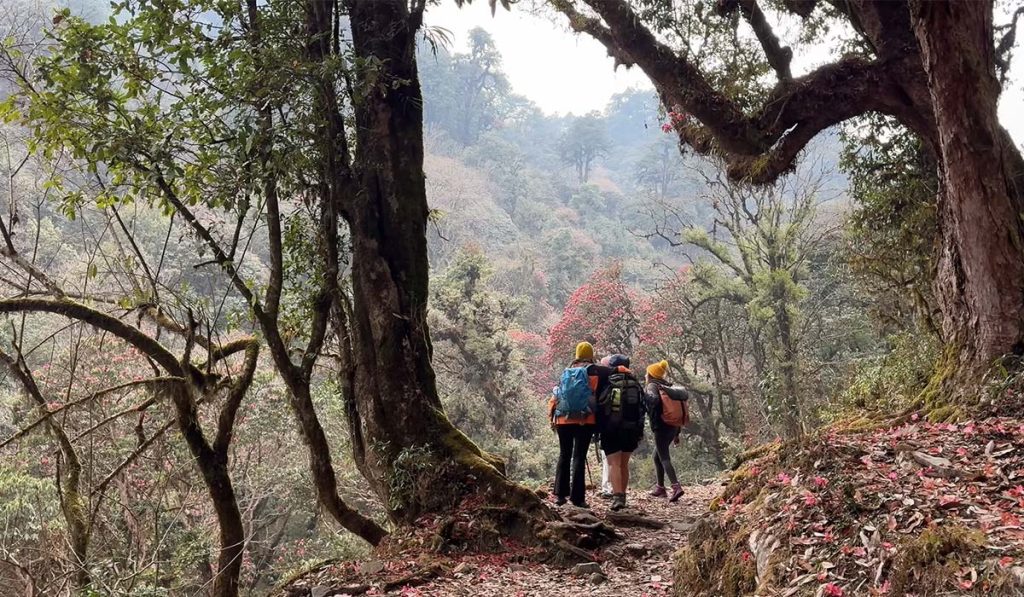
Yes, you can. The short answer is simple. Any trek above roughly 2,500 meters can cause altitude-related symptoms, and the Poon Hill trek goes beyond that point.
What makes Poon Hill deceptive is its reputation as an easy or beginner-friendly trek. That reputation is deserved in many ways. The route is shorter, the trails are well established, and the daily walking is manageable for most healthy travelers. But a shorter trek also means less time for acclimatization. Many itineraries bring trekkers from Pokhara to Ulleri, Ghorepani, and then Poon Hill within two days. That is a fairly quick gain in sleeping altitude for someone who just arrived in Nepal.
The risk remains lower than on higher treks, but lower risk does not mean zero risk.
Why Altitude Feels Different on This Trek
Poon Hill is often treated as a scenic hill walk, yet several factors can make altitude feel harder than expected. The first is pace. Trekkers often climb too fast on the steep stone steps between Tikhedhunga, Ulleri, and upper villages. The second is fatigue. If you are already tired, dehydrated, or recovering from travel, your body adapts more slowly.
Cold weather also plays a part. During peak seasons, especially in late autumn and winter, early morning hikes to the viewpoint are cold and dry. Trekkers may drink less water, sleep poorly, and wake before dawn to climb uphill in the dark. That combination can make mild altitude symptoms feel worse.
Another factor is false confidence. Because the trek is short and popular, some travelers do not take the same precautions they would take on a longer Himalayan route. They push through headache, skip meals, or assume breathlessness is just normal effort. Sometimes it is. Sometimes it is your body asking for a slower pace.
Common Symptoms of Altitude Sickness on Poon Hill
Most trekkers who feel altitude effects around Ghorepani or Poon Hill experience mild acute mountain sickness, also called AMS. The usual symptoms are headache, nausea, reduced appetite, dizziness, poor sleep, and unusual tiredness.
You may also notice that a simple uphill section feels much harder than expected. Some breathlessness is normal while climbing, especially on steep stone stairs. What matters is how you feel when resting. If you remain unusually breathless, weak, or lightheaded after stopping, pay attention.
A mild headache after a long day does not always mean altitude sickness. Dehydration, sun exposure, poor sleep, and exhaustion can cause similar symptoms. But if headache comes with nausea, loss of appetite, or disturbed sleep at higher elevation, altitude is a likely reason.
Severe altitude illness is rare on the Poon Hill trek, but trekkers should still know the warning signs. Confusion, loss of coordination, persistent vomiting, severe shortness of breath at rest, or chest tightness are never symptoms to ignore.
Where Symptoms Usually Start
For most people, if symptoms appear on this route, they begin around Ghorepani, which sits at about 2,860 meters. That is often the first night where some trekkers notice a headache or trouble sleeping.
The early morning climb to Poon Hill itself can also trigger symptoms because it involves a rapid gain in altitude before sunrise, usually in cold temperatures. The viewpoint is not a place where trekkers sleep, so the short exposure is less risky than spending the night higher up. Still, if you already feel unwell in Ghorepani, the uphill push to Poon Hill may make you feel noticeably worse.
In practical terms, Ghorepani is the key place to monitor your condition.
Who Is More Likely to Get Altitude Sickness?
Fitness helps with trekking, but it does not guarantee protection from AMS. Very fit trekkers can still develop symptoms, and slower walkers can feel completely fine.
The people who tend to be more vulnerable on Poon Hill include first-time high-altitude trekkers, travelers flying in from sea level and starting the trek quickly, anyone with a previous history of AMS, and trekkers who rush the route in the shortest possible itinerary. Dehydration, alcohol intake, poor sleep, and respiratory illness can also increase the chance of problems.
Age alone is not a reliable predictor. I have seen older trekkers manage altitude very well because they walk steadily, drink enough water, and listen to their bodies. On the other hand, younger trekkers sometimes overpush because they feel strong at the start.
How to Prevent Altitude Sickness on Poon Hill
The best prevention is not complicated, but it does require discipline. Walk slowly from the beginning, even when the trail feels easy. Eat properly, drink enough water, and do not treat the trek as a race to the viewpoint.
If your itinerary allows it, a more gradual approach helps. Some trekkers start from Nayapul or Ghandruk and spread the route over additional days rather than gaining elevation too quickly. That extra time is useful, especially if you have just arrived in Nepal.
Avoid alcohol while ascending. It affects sleep, hydration, and recovery. Sleeping pills can also be a problem because they may mask symptoms or affect breathing, depending on the medication.
Many trekkers ask about Diamox. It can help prevent or reduce AMS symptoms, especially for people with previous altitude issues or tight itineraries. But it is still medication, not a substitute for pacing and good judgment. If you are considering it, speak with a qualified medical professional before your trip and understand the dose, side effects, and timing.
What to Do If You Feel Symptoms at Ghorepani or Poon Hill
If symptoms are mild, the first step is to stop ascending until you feel better. Rest, drink fluids, eat something light, and monitor how you feel over the next several hours. A mild headache that improves with rest and hydration is usually manageable.
If you wake in Ghorepani with headache, nausea, and fatigue, think carefully before making the sunrise hike to Poon Hill. Missing one viewpoint is better than pushing yourself into a worse situation. The mountain will still be there, but your body may need a slower day.
If symptoms worsen with time, or if walking becomes unstable, descending is the safest choice. Even descending a few hundred meters can make a real difference. On this route, going lower is generally straightforward compared with more remote trekking regions, which is one reason serious outcomes are uncommon when people act early.
Travel with a guide if you are inexperienced or unsure about altitude response. A good guide will notice changes in pace, appetite, mood, or coordination before a trekker fully recognizes them.
Does the Short Duration of the Trek Make It Safer?
Yes and no. The shorter duration limits how long you are exposed to altitude, which is helpful. It also means evacuation, descent, and route changes are easier than on many longer Himalayan treks.
But short treks create their own problem. People often compress them. A fast itinerary can move you from Pokhara to sleeping altitude near 3,000 meters very quickly. So while the overall trek is less demanding than higher routes, the speed of ascent can still catch some trekkers off guard.
That is why Poon Hill is best thought of as a moderate altitude trek with a generally low but real AMS risk.
When You Should Not Continue Upward
You should not continue climbing if you have a persistent headache that does not improve, repeated vomiting, marked dizziness, unusual confusion, or severe weakness. The same applies if your breathing feels difficult even while resting.
These are not signs to wait out at a teahouse while hoping for a better morning. They are signs to descend and seek medical help if needed. Fortunately, the Poon Hill route is popular and accessible, so support is usually not far away.
For most trekkers, the right approach is simple: enjoy the trail, respect the elevation, and avoid rushing a beautiful route just to save one day. Poon Hill is one of Nepal’s most rewarding short treks, and it feels even better when you reach the viewpoint with a clear head, steady breath, and enough energy to enjoy the sunrise.