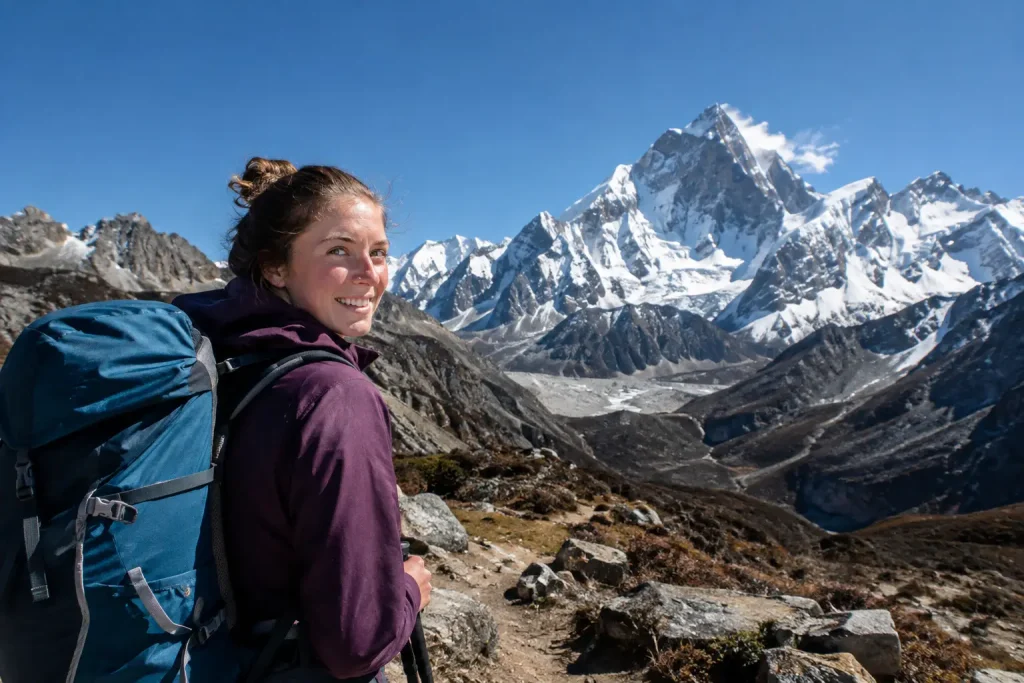
Winter in Nepal rewards trekkers who plan for cold rather than chase the busiest season. The best winter treks Nepal offers combine dry, clear mountain views with lower-altitude routes, reliable teahouses, and a realistic approach to snow and short daylight hours. January and February are not the right months for every Himalayan itinerary, but they can be excellent for travelers who want quieter trails and sharp views of major peaks.
The deciding factor is not only how cold you can tolerate. It is whether a route stays practical when snow affects high passes, water freezes overnight, and a delayed flight or storm can complicate logistics. Choose a trek with manageable altitude, allow contingency time, and be ready to adjust the plan if conditions change.
How to Choose the Best Winter Treks in Nepal
A good winter route usually remains below about 13,000 to 14,000 feet for overnight stops, although daytime viewpoints may be higher. This reduces the likelihood of deep snow and keeps most teahouses operating. It also makes acclimatization more straightforward, though altitude illness remains possible on any trek above 8,000 feet.
The trade-off is that winter limits access to Nepal’s classic high-pass routes. Treks involving Thorong La, Larkya La, Cho La, or Renjo La can be hazardous or temporarily closed after snowfall. Even when a pass is technically open, ice, wind, and limited rescue access can turn an ambitious itinerary into the wrong choice.
For most visitors, the strongest winter options are in the Annapurna foothills, lower Everest region, and Langtang region. These areas offer established lodge networks and memorable Himalayan views without requiring a major pass crossing.
1. Poon Hill Trek
The Poon Hill Trek is one of the most dependable choices for first-time Himalayan trekkers in winter. Its relatively modest elevation, well-established villages, and short itinerary make it accessible when higher routes become less predictable. The sunrise view from Poon Hill includes Dhaulagiri, Annapurna South, Hiunchuli, Machhapuchhre, and Nilgiri.
Expect cold mornings and occasional snow near the viewpoint, particularly in January. The stone steps around Ulleri and the forest paths can be slick, so trekking poles and footwear with dependable traction matter. Most trekkers complete the route in four to six days, depending on the starting and finishing points.
This is a sensible option for travelers who want Himalayan scenery without committing to extended high-altitude exposure. It is not an isolated wilderness trek, but its comfort, logistics, and views are exactly why it works so well in winter.
2. Mardi Himal Trek
Mardi Himal offers a more ridge-focused Annapurna experience than Poon Hill. The trail climbs through forest to open slopes and lodges with close views of Machhapuchhre and the Annapurna range. In winter, the section above High Camp can hold snow, and the final approach toward Mardi Himal Base Camp may require careful assessment.
For that reason, treat the highest viewpoint as conditional rather than guaranteed. Many trekkers still have an outstanding experience by reaching High Camp or a lower viewpoint, particularly when snow, wind, or visibility is poor above. The route commonly takes five to seven days.
Mardi Himal suits fit hikers comfortable with sustained uphill walking and cold, basic lodges. It is more demanding than Poon Hill due to steeper terrain and higher sleeping elevations, but it provides a stronger feeling of being in the mountains.
3. Langtang Valley Trek
The Langtang Valley Trek is a strong winter choice for trekkers seeking a longer route without Everest-region flight logistics. The trail begins in forest, follows the Langtang Khola, and gradually reaches wide alpine terrain beneath Langtang Lirung. Kyanjin Gompa, at roughly 12,500 feet, is the usual high point for overnight stays.
Winter temperatures at Kyanjin can fall well below freezing, especially at night. Snow can affect side hikes, including Kyanjin Ri and Tserko Ri, but the core valley route often remains possible with sound conditions and adequate preparation. An extra day in Kyanjin is valuable for acclimatization, weather flexibility, and choosing the safer viewpoint option.
Plan roughly seven to nine days from Kathmandu. The road journey to Syabrubesi can be slow and affected by road conditions, so do not schedule an international departure immediately after the trek.
4. Pikey Peak Trek
Pikey Peak is one of the best winter treks in Nepal for travelers who want Everest views without the elevation and cost of the Everest Base Camp route. From the summit area, trekkers can see Everest, Lhotse, Makalu, Kanchenjunga, and much of the eastern Himalayan skyline on a clear morning.
The route typically takes five to seven days and reaches approximately 13,400 feet. That altitude means cold conditions and possible snow are still part of the plan, but the trek does not depend on crossing a high pass. Villages and smaller lodges create a quieter experience than the busier Everest trails.
Pikey Peak is best for hikers with decent fitness who are prepared for remote logistics and basic accommodation. Bring warm layers for summit morning and keep your itinerary flexible if a fresh snowfall makes the final ascent unsafe.
5. Everest View Trek
An Everest View Trek is the practical winter alternative for travelers who want to enter the Khumbu but do not need to reach Everest Base Camp. Routes commonly climb from Lukla through Phakding and Namche Bazaar, with viewpoints near Hotel Everest View or Khumjung. The panorama includes Everest, Ama Dablam, Lhotse, and Thamserku.
The main operational risk is the Lukla flight. Winter often brings clearer mountain weather than monsoon, but fog, wind, and airport congestion can still delay flights. Build at least two buffer days into your Nepal itinerary, especially if you have fixed international travel.
Namche Bazaar sits at about 11,300 feet, high enough for altitude symptoms to occur. A rest and acclimatization day remains necessary even on a short itinerary. Most Everest View itineraries take five to eight days, including the approach and return.
6. Gokyo Lakes Trek
The Gokyo Lakes Trek can work in winter for experienced, well-prepared trekkers, but it is a step up in altitude and commitment. Gokyo village is around 15,600 feet, and the Gokyo Ri viewpoint rises much higher. The views of Everest, Cho Oyu, Makalu, and Ngozumpa Glacier are exceptional, especially in clear winter light.
The trade-off is substantial cold. Frozen pipes, limited heating, snow-covered trail sections, and very cold rooms are common at higher lodges. This is not the right choice for someone testing their first high-altitude trek. It is also wise to avoid combining Gokyo with Cho La Pass in winter unless conditions, experience, and local guidance clearly support it.
Allow 10 to 14 days, including acclimatization and flight buffer time. If you have previous high-altitude trekking experience and a flexible schedule, Gokyo can be a rewarding winter objective.
7. Annapurna Base Camp Trek
The Annapurna Base Camp Trek is possible in winter and provides a dramatic destination inside the Annapurna Sanctuary. The route passes through villages and forests before reaching Machhapuchhre Base Camp and Annapurna Base Camp, surrounded by steep Himalayan walls.
Snow and avalanche conditions are the key concerns. The upper valley can receive heavy snowfall, and certain sections may be temporarily restricted after storms. Do not assume a published itinerary is automatically safe. Local trail updates, weather forecasts, and the judgment of experienced on-the-ground staff should determine whether you continue beyond lower villages.
For suitable conditions, allow seven to 11 days. This trek is better for hikers with solid endurance and comfort on long uphill and downhill days. A guide is particularly useful in winter because conditions can change quickly above the forest line.
Winter Weather, Gear, and Safety
Daytime temperatures on lower trails may feel pleasant in direct sun, while nights at higher villages can be severely cold. Bring a sleeping bag rated for subfreezing temperatures, insulated jacket, warm hat, gloves, thermal base layers, and waterproof outer layers. Microspikes can be useful after snow, but they are not a substitute for route judgment.
Start walking early. Winter daylight is limited, and shade arrives quickly in steep valleys. Carry a headlamp, keep water bottles insulated or close to your body, and avoid relying on solar charging alone. Power availability varies by lodge and may cost extra.
Permits depend on the region and route. Requirements, checkpoint procedures, and restricted-area rules can change, so confirm current details before departure rather than relying on an older itinerary. Travel insurance should specifically cover trekking at your planned maximum altitude and include emergency evacuation.
Fitness and Acclimatization Still Matter
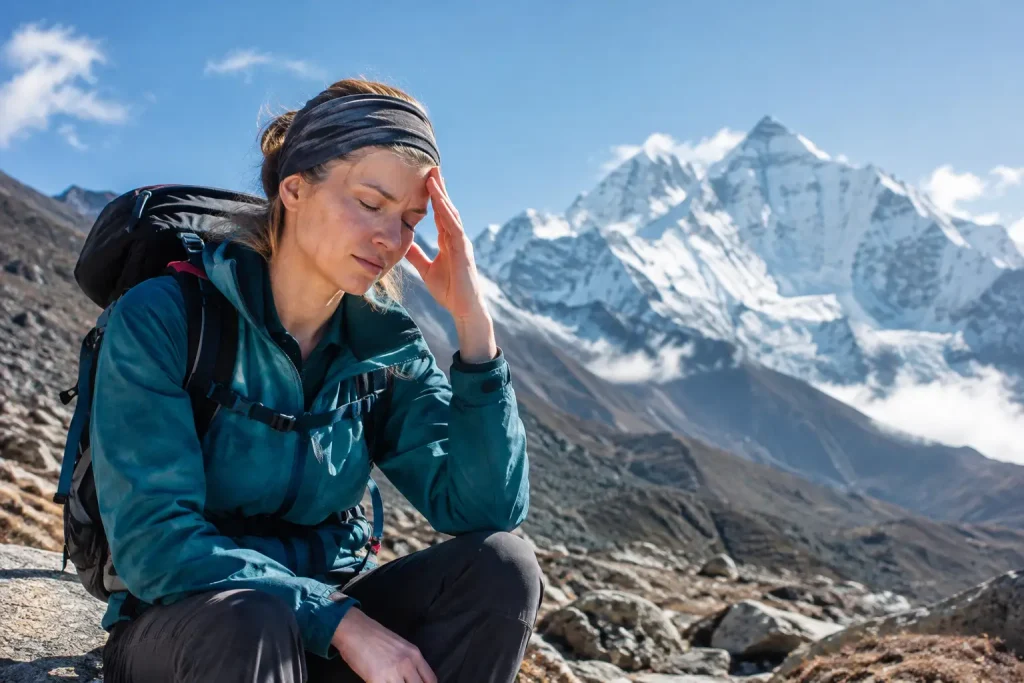
Cold weather does not reduce altitude risk. In fact, dehydration and the desire to move quickly in cold conditions can make poor decisions more likely. Follow a gradual ascent profile, eat consistently, drink enough water, and treat headaches, nausea, dizziness, or unusual fatigue seriously.
A winter trek is not the time to compress rest days. If you are deciding between a short, lower route and a higher itinerary with no flexibility, choose the route that leaves room for weather and acclimatization. The Himalaya will still be there if a summit viewpoint needs to wait.
For most travelers, Poon Hill, Mardi Himal, Langtang Valley, and Pikey Peak offer the best balance of scenery and winter reliability. Choose the route that matches your experience, protect buffer days in your schedule, and let current conditions shape the final plan.