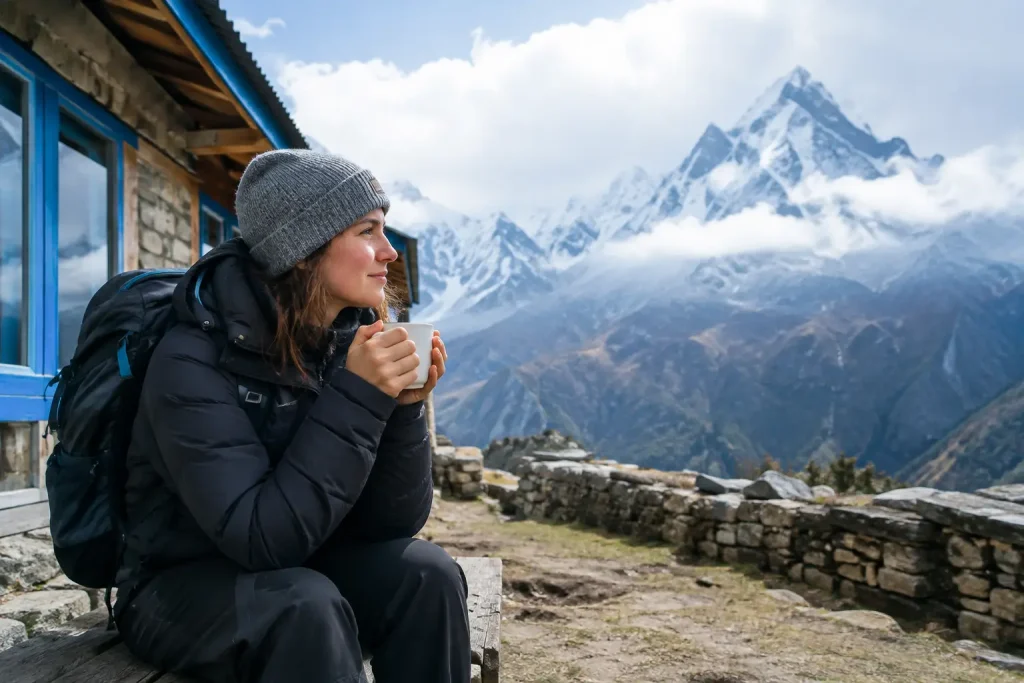
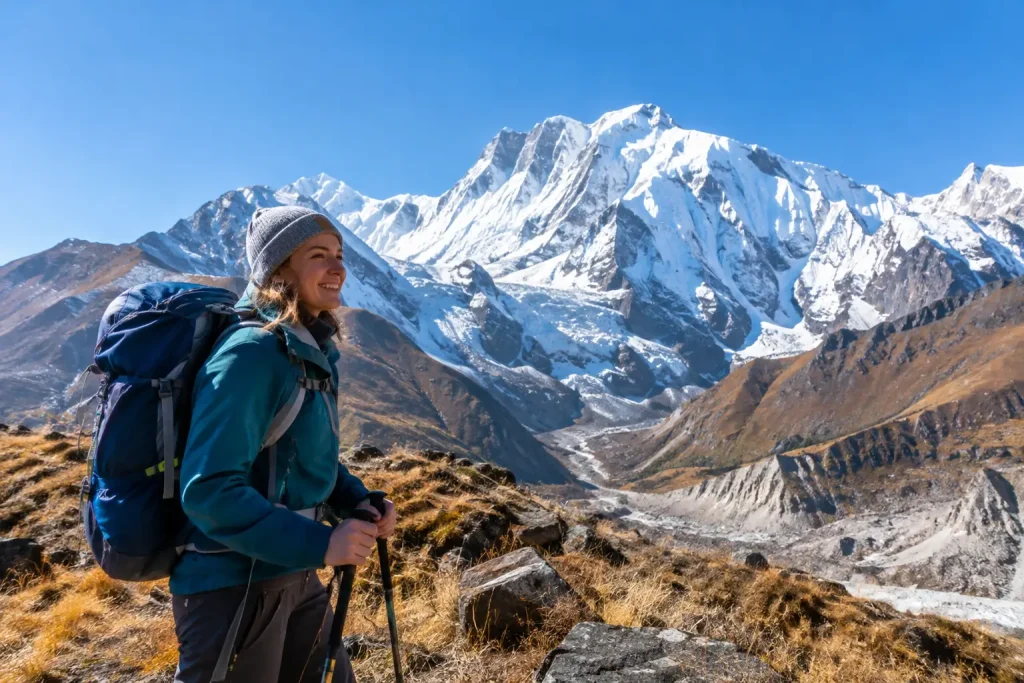
A choice between Mardi Himal vs Pikey Peak usually comes down to one question: do you want a shorter, steeper trek close to Pokhara, or a quieter ridge walk with Everest views and more travel time from Kathmandu? Both are excellent moderate Himalayan treks, but they challenge trekkers in different ways.
Mardi Himal is the more convenient option for travelers with limited time who want close-up Annapurna scenery. Pikey Peak is better for trekkers who value solitude, Sherpa culture, and a broad Everest panorama without committing to the longer Everest Base Camp route. Neither should be treated as a casual lowland hike. Both reach elevations where cold, weather, and altitude can quickly change the day.
Mardi Himal vs Pikey Peak at a Glance
| Factor | Mardi Himal Trek | Pikey Peak Trek | | — | — | — | | Typical duration | 5-7 trekking days | 7-9 trekking days | | Highest point | Mardi Himal Base Camp, about 14,930 feet | Pikey Peak, about 13,829 feet | | Main views | Machhapuchhre, Annapurna South, Hiunchuli | Everest, Lhotse, Makalu, Kanchenjunga on clear days | | Route character | Forest climbs and narrow high ridges | Open ridges, villages, forests, and gradual terrain | | Access | Short drive from Pokhara | Long road journey from Kathmandu or flight-based variations | | Best for | Limited schedules and Annapurna views | Quieter trekking and Everest-region scenery |
Choose Mardi Himal for a Shorter, Steeper Trek
Mardi Himal delivers a lot of mountain scenery in a compact itinerary. Most routes begin near Kande or Dhampus, a short drive from Pokhara, then climb through rhododendron forest toward Forest Camp, Low Camp, High Camp, and Mardi Himal Base Camp. This straightforward access is a major advantage for travelers combining trekking with time in Pokhara, Chitwan, or Kathmandu.
The trail feels increasingly dramatic above High Camp. Trekkers follow a narrow ridge with steep ground falling away in places, while Machhapuchhre rises directly ahead. The final push to base camp is often the hardest day: uphill, exposed to wind, and sometimes affected by snow or ice in colder months.
Mardi Himal is not technically difficult, but its short schedule can make it physically demanding. Daily elevation gain is concentrated, and many trekkers reach High Camp above 11,500 feet after only a few days on the trail. Fit hikers often do well here, but fitness does not remove the need to watch for altitude symptoms.
Choose Pikey Peak for Everest Views and More Space
Pikey Peak follows a less crowded route in the lower Solu region, south of the main Everest Base Camp trail. The trek usually starts after a long drive toward Dhap or a nearby trailhead, although some itineraries use flights through the Everest region. Expect a more involved approach than Mardi Himal, especially if road conditions are poor.
The reward is a broader and quieter trekking experience. The route passes through Sherpa and Rai communities, Buddhist monasteries, terraced farmland, forests, and high grazing country. From Pikey Peak, sunrise can reveal a long Himalayan skyline that includes Everest, Lhotse, Makalu, and, in favorable conditions, Kanchenjunga far to the east.
Pikey Peak is generally less steep than Mardi Himal, but it should not automatically be called easier. The trekking days can be longer, basic lodges may be less predictable, and the approach road adds travel fatigue. Its highest point is lower, which reduces the altitude burden somewhat, yet sleeping elevations still deserve careful attention.
Difficulty: Which Trek Is Easier?
For trail steepness and short-term effort, Pikey Peak is usually easier. Its ascents are more gradual, and the itinerary commonly allows a steadier buildup toward the summit. Mardi Himal has sharper climbs, particularly between Forest Camp and High Camp, followed by a demanding summit-day out-and-back section.
For total trip logistics, Mardi Himal is easier. Pokhara is well connected by domestic flights and tourist transport, and the trailhead is close to the city. Pikey Peak requires more patience with road travel, changing local conditions, and a route that is less developed for independent international trekkers.
Your previous hiking experience matters. A strong day hiker with only one week in Nepal may prefer Mardi Himal. A trekker who has already handled multiday hiking and wants a more remote feeling route may find Pikey Peak more rewarding. In either case, train for sustained uphill walking rather than relying only on gym cardio.
Fitness expectations
Both treks are realistic for healthy beginners who prepare properly. Aim to arrive able to hike for five to seven hours on consecutive days, carrying a daypack on uneven terrain. Include uphill walking, stair sessions, leg strength work, and longer weekend hikes in your preparation.
Mardi Himal favors strong climbing legs and comfort on narrow mountain paths. Pikey Peak favors endurance, because its longer itinerary and road access can make the full trip feel more tiring than its summit elevation suggests.
Altitude and Weather Considerations
Mardi Himal reaches the higher point, so the chance of altitude symptoms is somewhat greater, especially on fast itineraries. Headache, nausea, dizziness, unusual fatigue, or poor coordination should never be ignored. Do not continue higher if symptoms are worsening. Descending is the primary response to significant altitude illness.
Pikey Peak climbs more gradually on many standard routes, which can make acclimatization easier. Still, a summit near 13,800 feet is high enough for headaches, poor sleep, and reduced appetite. Keep the first days controlled, drink regularly, avoid alcohol while ascending, and communicate early with your guide or trekking partners if you feel unwell.
Weather can determine the character of either trek. Spring, roughly March through May, brings warmer conditions and rhododendron blooms, although haze can soften distant views. Fall, from October through November, usually offers the clearest mountain visibility. Winter can provide excellent skies but brings freezing mornings, snow, and icy trail conditions. During the monsoon, cloud, rain, leeches at lower elevations, and slippery paths make both routes less appealing for most first-time visitors.
Permits, Lodges, and Trek Planning
Mardi Himal lies in the Annapurna Conservation Area, so trekkers generally need the required conservation-area permit and local trekking registration documents. Permit rules and fees can change, so confirm current requirements before departure rather than relying on an old blog post or a previous traveler’s experience.
Pikey Peak has different local permit and access considerations depending on the exact start and finish route. A reliable Nepal-based operator can verify the current paperwork, transport options, and lodge availability. This is especially useful for Pikey Peak, where changes in roads or seasonal lodge operations can affect a tightly planned itinerary.
Tea houses are available on both routes, but neither should be planned with Everest Base Camp-level infrastructure in mind. Mardi Himal lodges are compact and can fill during peak season. Pikey Peak is quieter, but food choices and room standards can be more basic. Bring a warm sleeping bag, a reliable water-treatment method, layers for wind, and cash in Nepalese rupees for remote expenses.
Which Trek Is Best for You?
Choose Mardi Himal if you have five to seven trekking days, want simple access from Pokhara, and are motivated by close views of Annapurna and Machhapuchhre. It is particularly strong for travelers who want a high Himalayan experience without a long expedition-style schedule.
Choose Pikey Peak if you can allow extra time for transport, prefer less traffic on the trail, and want a classic Everest panorama combined with village-based trekking. It is also a good alternative for travelers who find the Everest Base Camp itinerary too long or too crowded.
For either route, avoid selecting the shortest available itinerary simply to save a day. A buffer day protects your plans against weather, road delays, fatigue, or a need to descend. The best trek is the one that matches your available time, current fitness, and willingness to adjust when Himalayan conditions demand it.