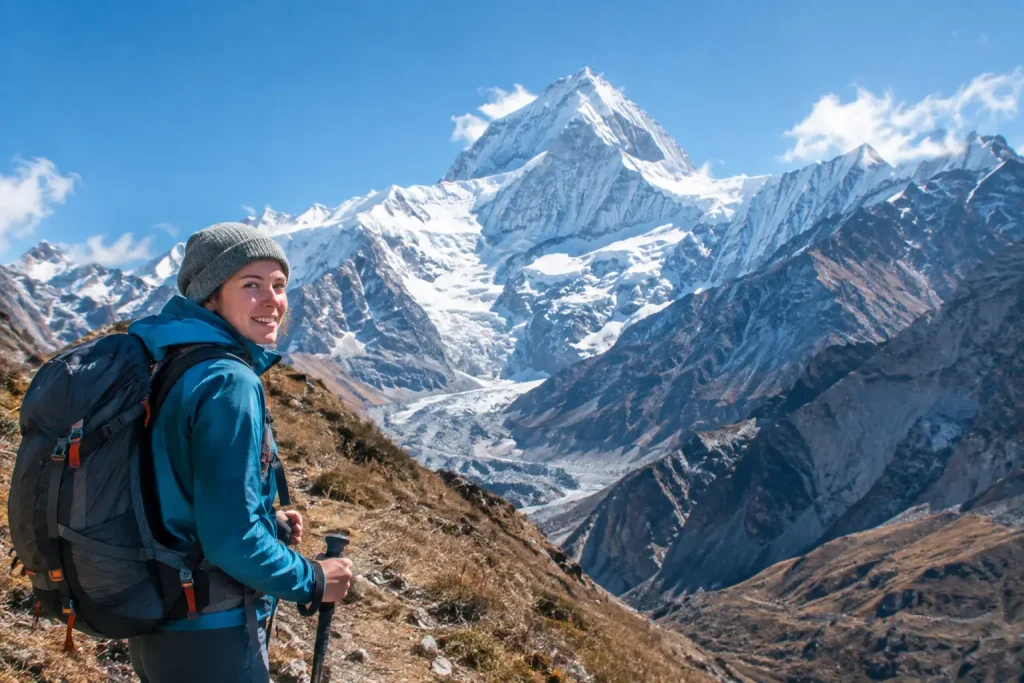
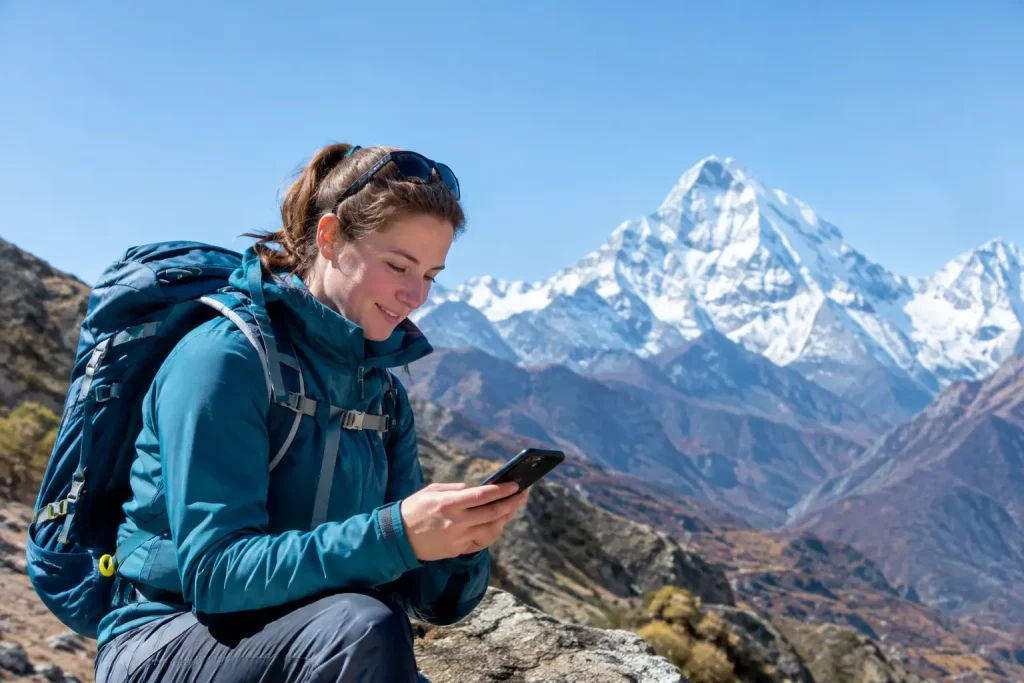
A clear morning in the Himalaya can turn into cold rain, wind, or whiteout before lunch. On a Nepal trek, mountain safety is not one decision made at the trailhead. It is the result of dozens of practical choices: selecting a suitable route, moving slowly at altitude, carrying the right layers, checking forecasts, and knowing when to stop.
The mountains reward preparation, not bravado. Whether you are planning Poon Hill, Langtang, Mardi Himal, Gokyo Lakes, or Pikey Peak, the safest trek is usually the one that matches your experience, fitness, schedule, and tolerance for changing conditions.
Start Mountain Safety With the Right Trek
Route selection is the first safety decision. A trek may look short on a map yet involve long climbing days, rough stone stairs, exposed ridges, high sleeping elevations, or limited access to help. Do not assess difficulty by distance alone.
Poon Hill is often a sensible first Himalayan trek because the elevations are moderate and the trail infrastructure is well established. Mardi Himal is shorter but can feel more demanding because of steep ascents and variable conditions near High Camp. Langtang combines substantial altitude with a remote mountain setting. Gokyo Lakes requires a serious acclimatization plan, especially if you include Gokyo Ri or cross Cho La Pass.
Choose a route based on the highest sleeping altitude, not only the highest viewpoint. Sleeping high is what places sustained stress on your body. Also consider how much flexibility your itinerary has. A tight schedule can pressure trekkers to continue when they should rest, wait out weather, or descend.
Understand Altitude Before You Arrive
Altitude illness is the most important health risk on many Nepal treks. It can affect fit, experienced hikers as well as first-time trekkers. Good fitness improves your ability to walk uphill, but it does not make you immune to altitude sickness.
Above roughly 8,200 feet, your body begins adjusting to lower oxygen availability. Headache, reduced appetite, poor sleep, nausea, dizziness, and unusual fatigue can be signs of acute mountain sickness. A mild headache alone may have several causes, including dehydration or exertion. But symptoms that worsen with altitude should always be taken seriously.
The central rule is simple: do not ascend with worsening symptoms. Rest at the same elevation if symptoms are mild and improving. Descend if they persist, intensify, or include poor coordination, confusion, breathlessness at rest, or a wet cough. Those can indicate severe, life-threatening altitude illness and require immediate descent and medical assistance.
A practical itinerary includes acclimatization days, especially on routes that sleep above 9,800 to 11,500 feet. On a rest day, a short hike to a higher elevation followed by sleeping lower can support acclimatization. It should still feel controlled, not like an all-out summit push.
Medication such as acetazolamide can be useful in specific situations, but it is not a substitute for a safe ascent profile. Discuss its use with a travel medicine professional before departure, particularly if you have medical conditions or take prescription medications.
Build Fitness for Long Uphill Days
Himalayan trekking is usually more about sustained effort than technical climbing. You may walk for five to eight hours over consecutive days, often carrying a daypack and gaining significant elevation on uneven ground. Train for the demands you will actually face.
Build aerobic endurance through hiking, stair climbing, running, cycling, or other steady cardiovascular exercise. Add leg strength work for quads, glutes, calves, and hips, since descents can be harder on the body than ascents. Practice with the shoes, socks, and pack you plan to use. A new pair of boots is a common source of painful blisters on day one.
Fitness also means pacing well. Start each morning more slowly than you think necessary, take short regular breaks, and avoid racing other trekkers. The person who arrives at the lodge first is not necessarily the person making the best decisions for the next day.
Prepare for Weather, Cold, and Sun
Himalayan weather is highly local. A forecast is useful, but conditions can shift quickly with elevation, cloud cover, and wind. Mornings may be crisp and clear, while afternoon clouds bring rain, snow, or reduced visibility. In monsoon season, wet trails, leeches, landslides, and delayed transport add further complications.
Use a layering system rather than relying on one heavy jacket. Your clothing should include a moisture-wicking base layer, insulating midlayer, waterproof outer shell, warm hat, gloves, and dry socks. A down or synthetic insulated jacket is essential for cold lodges and early starts at higher elevations. Keep key warm items in a waterproof pack liner or dry bag.
Sun exposure is another underestimated hazard. UV intensity rises with elevation, and snow can reflect sunlight onto your face and eyes. Use high-SPF sunscreen, lip balm with sun protection, sunglasses with adequate UV coverage, and a hat. Reapply sunscreen even on cloudy days.
Carry Gear That Solves Real Problems
Your daypack should carry the essentials needed if weather, fatigue, or a route delay extends the day. The exact load depends on the trek and whether you have porter support, but do not hand off critical safety items that you may need quickly.
Carry enough water capacity for the day and treat or filter all drinking water. Gastrointestinal illness can rapidly weaken a trekker and complicate acclimatization. Bring snacks you will actually eat, including easy options for days when your appetite is lower at altitude.
A headlamp, portable power bank, basic first-aid supplies, blister care, personal medications, rain protection, emergency contact details, and an offline map are sensible additions. Trekking poles are not mandatory, but they can improve stability on loose trails and reduce knee strain on long descents.
Avoid overpacking. An overloaded daypack increases fatigue and makes balance worse. The goal is not to carry every possible item. It is to carry the items that keep a manageable problem from becoming an emergency.
Use Guides, Permits, and Local Knowledge Wisely
Current permit rules, trail regulations, and checkpoint procedures can change. Confirm what applies to your route before travel, and carry required documents in a protected, accessible place. A permit is not just paperwork – it supports local trail management and helps establish where you are expected to be.
A qualified guide adds value beyond navigation. They can monitor your pace and altitude symptoms, recognize weather patterns, arrange lodging, communicate with local teams, and adjust a plan when conditions change. This is particularly useful for first-time Himalayan trekkers, solo travelers, groups with mixed fitness levels, and routes involving high passes or remote sections.
Independent trekking can be appropriate on established routes for well-prepared hikers, but it requires more self-sufficiency. You must be ready to make conservative calls without waiting for someone else to tell you to turn around. Hiring a guide does not remove personal responsibility, but it gives you a stronger decision-making team.
Make a Clear Emergency Plan
Before the trek, tell someone at home your route, expected dates, and how they can reach your local operator or hotel. Purchase travel insurance that specifically covers trekking at your planned maximum altitude and includes emergency evacuation. Many policies exclude high-altitude trekking or helicopter rescue unless those terms are explicitly included.
On the trail, do not assume a helicopter can arrive quickly. Weather, visibility, location, and operational constraints may delay evacuation. This is why early decisions matter so much. Descending under your own power while symptoms are still manageable is generally safer than waiting until the situation becomes severe.
If someone in your group feels unwell, avoid splitting up casually. One person should not descend alone while sick, and a group should not pressure an ill member to continue for the sake of an itinerary. Plans can be changed. Health cannot be negotiated with.
Keep Daily Decisions Conservative
Mountain safety often comes down to recognizing small warnings early: a blister that needs treatment, a headache that is worsening, dark clouds building over a pass, or a tired hiker who has stopped eating and drinking. Addressing those signs promptly preserves options.
Check in with yourself and your companions every day. Are you drinking enough? Are symptoms improving or worsening? Is tomorrow’s plan realistic for the weather and your energy level? In the Nepal Himalaya, turning back, taking a rest day, or choosing a lower route is not a failed trek. It is the judgment that allows you to return home with the experience intact.